Dental health in older age: keeping mouth and teeth healthy
For dental health in older age, daily care, enough fluids and regular check-ups matter most. Even late in life, your own teeth can often be kept for a long time. If brushing gets harder, suitable aids and help from relatives or carers make a difference.
By Stela Lobzhanidze, dentist in Vienna-Meidling
Published
Key points
- Tooth loss is usually the result of decay and gum disease that develop over many years.
- Brush twice a day for two minutes with fluoride toothpaste, then just spit out.
- Thick handles or an electric toothbrush make brushing easier when movement is limited.
- Dentures need daily cleaning and are usually taken out at night.
- A healthy mouth helps with chewing and swallowing, and so with eating well.
Why do older people lose teeth more often?
According to the World Health Organization, tooth loss is usually the end point of a long history of oral disease. The most important are tooth decay and gum disease, up to periodontitis. This is why people aged 60 and over have lost all their teeth far more often than younger people.
Sugar, smoking and alcohol increase the risk. In older age there are often other reasons too: brushing becomes harder, and many medicines cause a dry mouth. Without enough saliva, decay develops more easily.
Can you keep your teeth even in old age?
Yes, good care is worth it at any age. Fluoride is an essential protection against decay. These basic rules still apply:
- brush twice a day for two minutes with a pea-sized amount of fluoride toothpaste
- spit out after brushing, but do not rinse with water, so the fluoride can work
- clean between your teeth with suitable small brushes
- have a dental check-up at least once a year, and sooner if you have problems
How do you brush your teeth when movement is limited?
Stiff fingers, a shaky wrist or shoulder pain make brushing hard work. These aids can make daily life easier:
- Toothbrushes with a thick handle or a grip aid are easier to hold.
- An electric toothbrush does some of the work. It is less suitable if the noise or vibration is bothersome.
- A single-tuft brush reaches difficult spots, such as single teeth or the gum line.
- Replace your toothbrush about every four weeks and interdental brushes about every week.
People with dementia often cope better with short, simple instructions, one step at a time. Relatives and carers can help with brushing.
How do you look after dentures properly?
Plaque also builds up on dentures. Regular cleaning protects the gums and any remaining teeth:
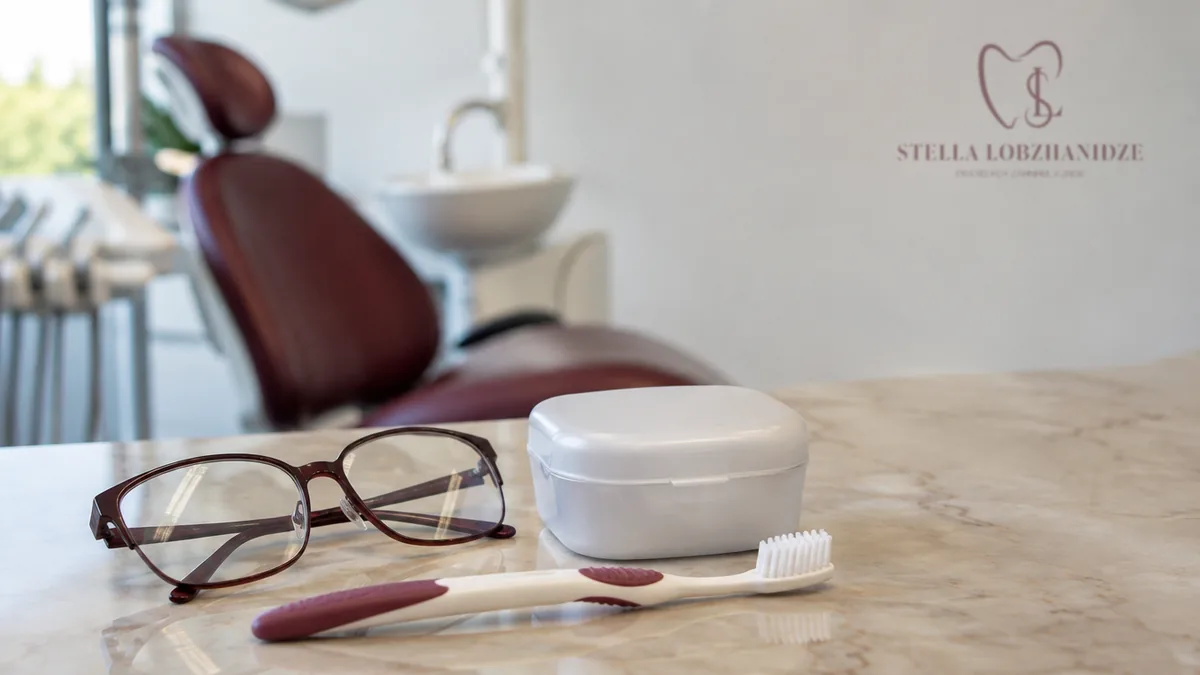
- Take your dentures out morning and evening and clean them with a denture brush. Work over a basin of water or a towel so they do not break if dropped.
- Rinse the dentures after meals.
- Brush your gums, tongue and remaining teeth with fluoride toothpaste.
- Remove all traces of denture adhesive.
- Take your dentures out at night unless your dentist advises otherwise.
Your dentist will show you which cleaning product and storage suit your dentures. Over time, the jaw and gums change. Dentures can then become loose and need adjusting.
What helps with a dry mouth in older age?
Common causes are side effects of medicines and not drinking enough. A dry mouth can affect taste, make speaking harder and loosen the fit of dentures.
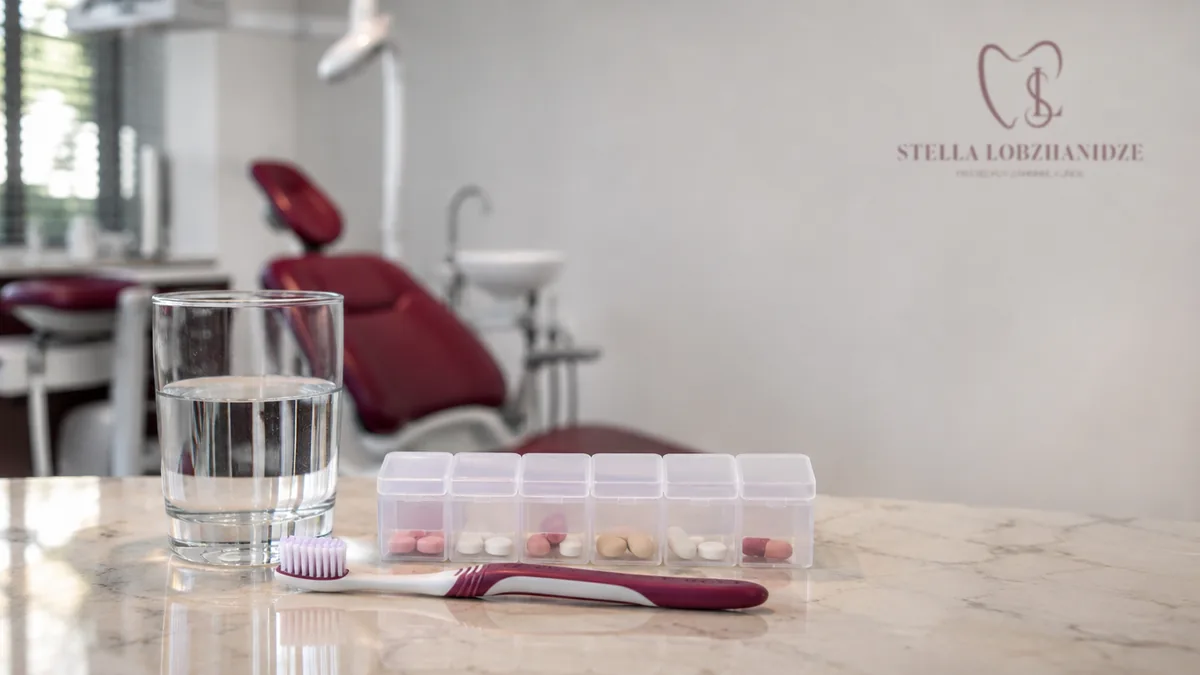
Drink water regularly throughout the day, keeping to any fluid limits set by your doctor. Sugar-free chewing gum stimulates saliva. It is best to choose a saliva substitute together with your dentist or pharmacist. Do not stop a prescribed medicine without medical advice, even if you suspect it is the cause.
How does oral health affect general health?
People who have trouble chewing or swallowing often eat too little or not varied enough. This can lead to malnutrition. With swallowing problems, germs from the mouth can also get into the airways and make pneumonia more likely.
Periodontitis is also linked to diabetes, heart and circulatory disease and lung disease. A well-cared-for mouth is therefore part of looking after your overall health in older age.
How does Stella Dent support older patients?
Our practice in 1120 Vienna-Meidling is step-free, and a lift takes you directly to the practice. Please let us know in advance if you need special assistance.
We offer check-ups, professional teeth cleaning, and partial and full dentures. With dentures, we check the fit at regular appointments and show you how to care for them. If you like, our recall service reminds you of your next appointments.
You can book online or by phone on +43 1 813 31 23.
Come to the practice if:
- your dentures rub, wobble, click when you speak or are damaged
- your gums are very red or bleed
- you notice sore spots, wounds or pain in your mouth
- you have ongoing problems chewing or swallowing
- your mouth stays dry for a long time
Book an appointment
Book online or give us a call.
Sources
- ZQP und Bundeszahnärztekammer – Mundpflege: Praxistipps für den Pflegealltag
- WHO – Oral health
- NHS – Dentures (false teeth)
- NHS – Dry mouth
- KZBV – Versorgungsangebote bei Pflege oder Beeinträchtigung
- gesundheit.gv.at – Zahngesundheit
- gesundheit.gv.at – Zahnersatz
This article is for general information only and does not replace a dental examination or advice.