Mon: 9am–5pm | Wed: 9am–5pm | Tue, Thu: 11am–7pm | Fri: 9am–4pm
Blog – Dental Health & Dentistry
The latest on dental health, practical oral hygiene tips and news from modern dentistry, from Stela Lobzhanidze.
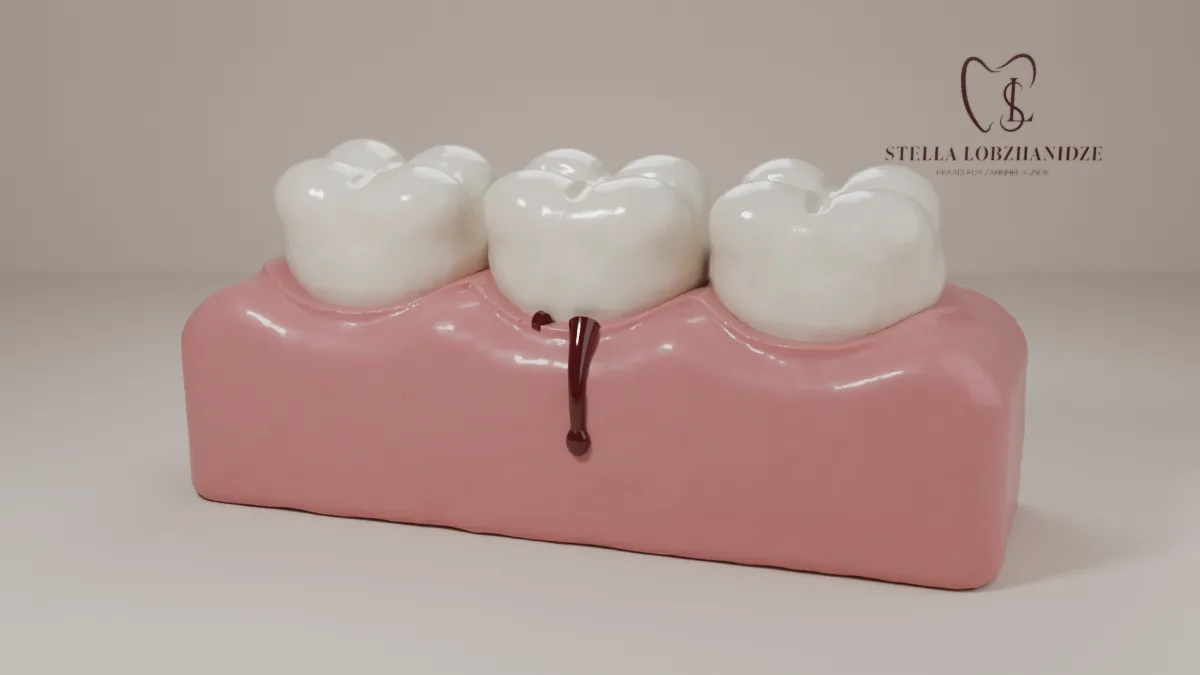
Bleeding gums – why it happens and what helps
Bleeding gums are usually a sign of inflamed gums. The most common cause is bacterial plaque along the gumline. Thorough but gentle brushing and cleaning between your teeth help, and if the bleeding continues, have it checked by a dentist.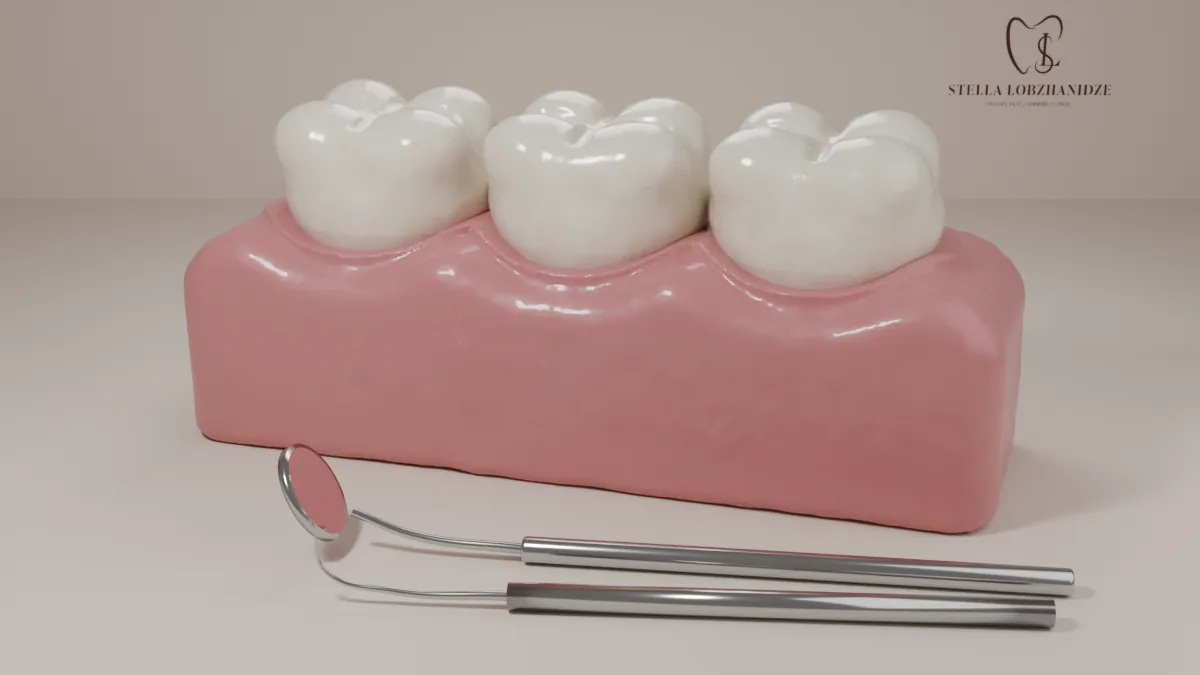
What happens during professional teeth cleaning?
Professional teeth cleaning removes plaque, tartar and stains, then the teeth are polished and protected with fluoride. It aims to help prevent tooth decay and gum disease. It does not replace brushing your teeth every day.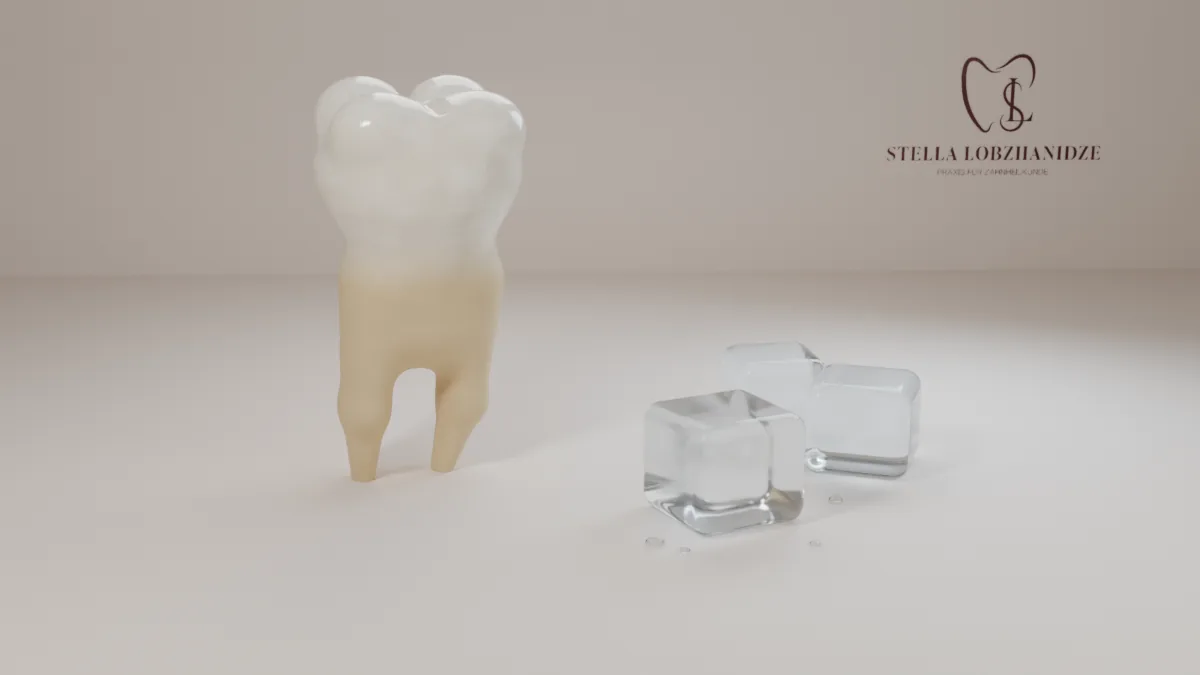
What helps with sensitive teeth?
Sensitive teeth react to cold, hot, sweet or acidic things with a short, sharp pain. Usually the dentine underneath the enamel has become exposed, for example through receding gums or acid. Brushing gently and using a toothpaste for sensitive teeth can help. If the sensitivity does not go away, the cause should be checked at the practice.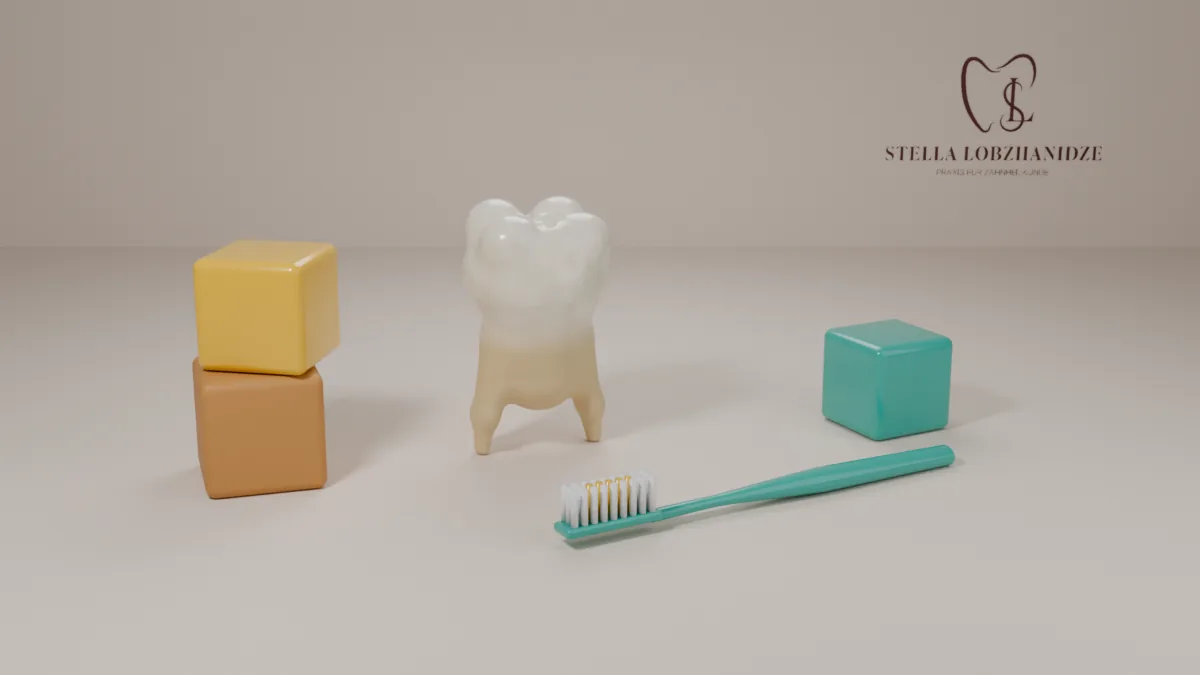
When should your child first see a dentist?
Ideally, your child's first dental visit should take place soon after the first baby tooth comes through. The first appointment is mainly about getting to know each other. A few simple steps will help you prepare your child well.
What do I pay at a private dentist, and what do I get back?
At a private dentist (Wahlzahnarzt) you pay for your treatment first and then submit the invoice (Honorarnote) to your health insurance fund. ÖGK (Austrian Health Insurance Fund) reimburses 80 percent of the tariff rate, meaning the amount it would have paid a contracted dentist. That is not 80 percent of your invoice, and private treatments are not reimbursed.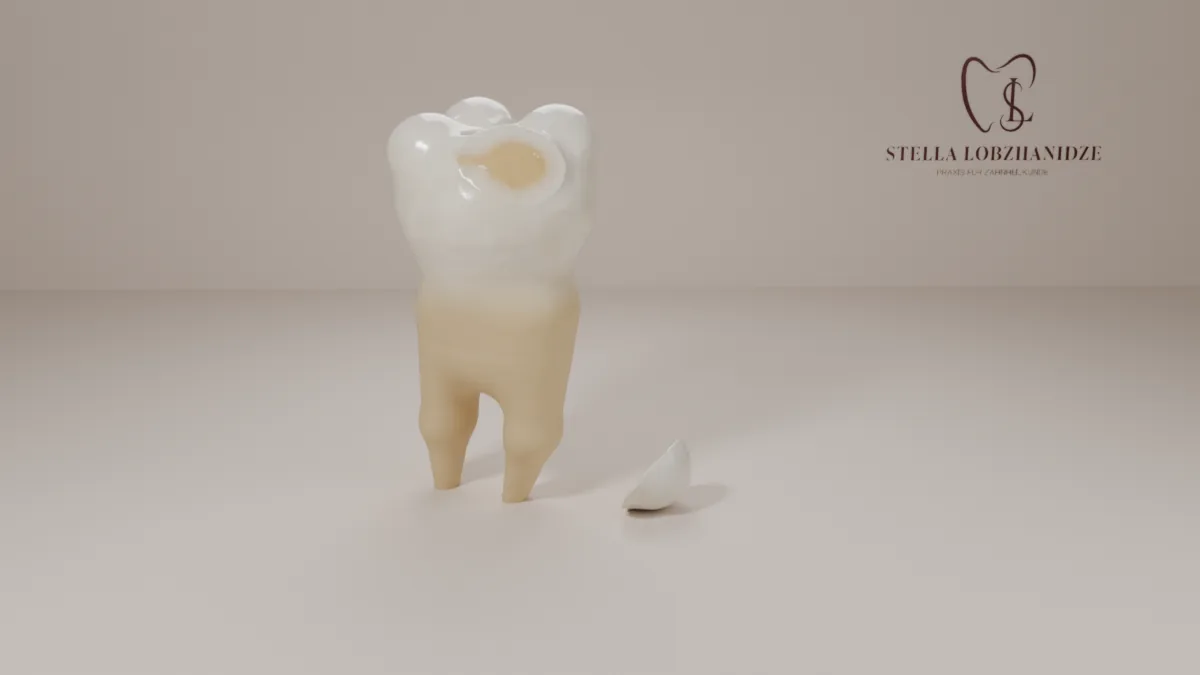
Broken tooth – what now?
A broken or chipped tooth is usually not dangerous, and a dentist can usually treat it. Keep the broken piece moist and contact a dental practice quickly. If an adult tooth has been knocked out completely, act straight away.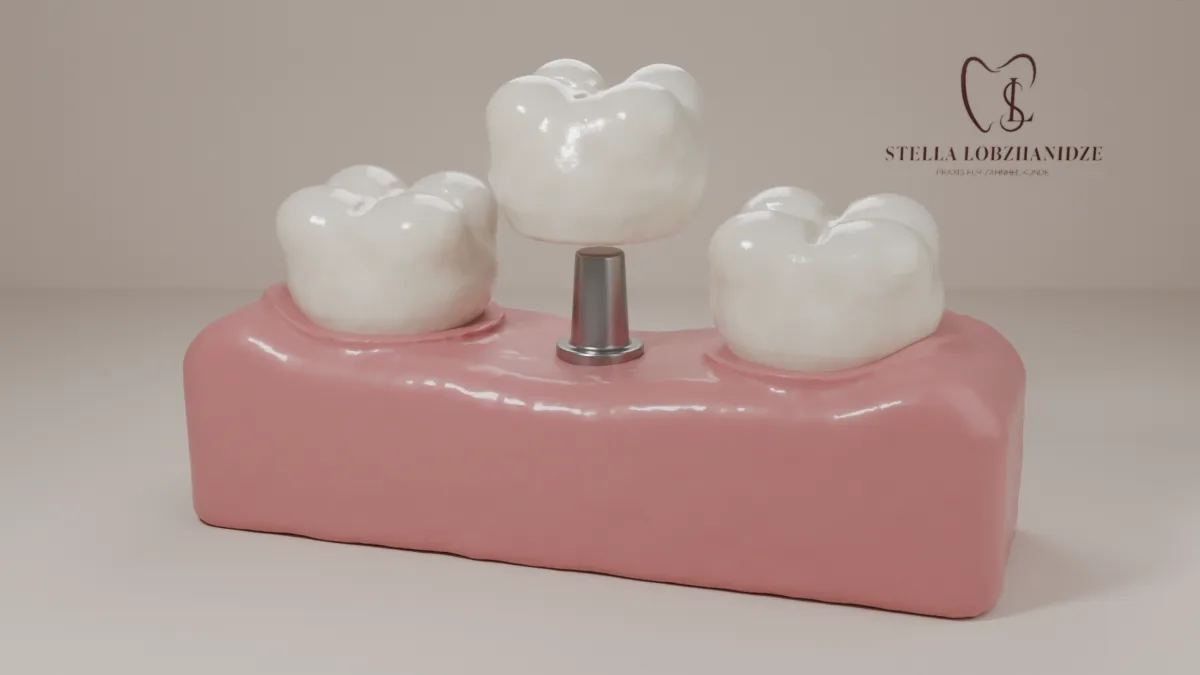
How do you fill a gap in your teeth – bridge, implant or denture?
A gap left by a missing tooth can be filled with a bridge, an implant or a removable denture. Which option suits you depends mainly on the neighbouring teeth, the jawbone, your general health and what you would like. Sometimes it is also reasonable to leave a gap as it is.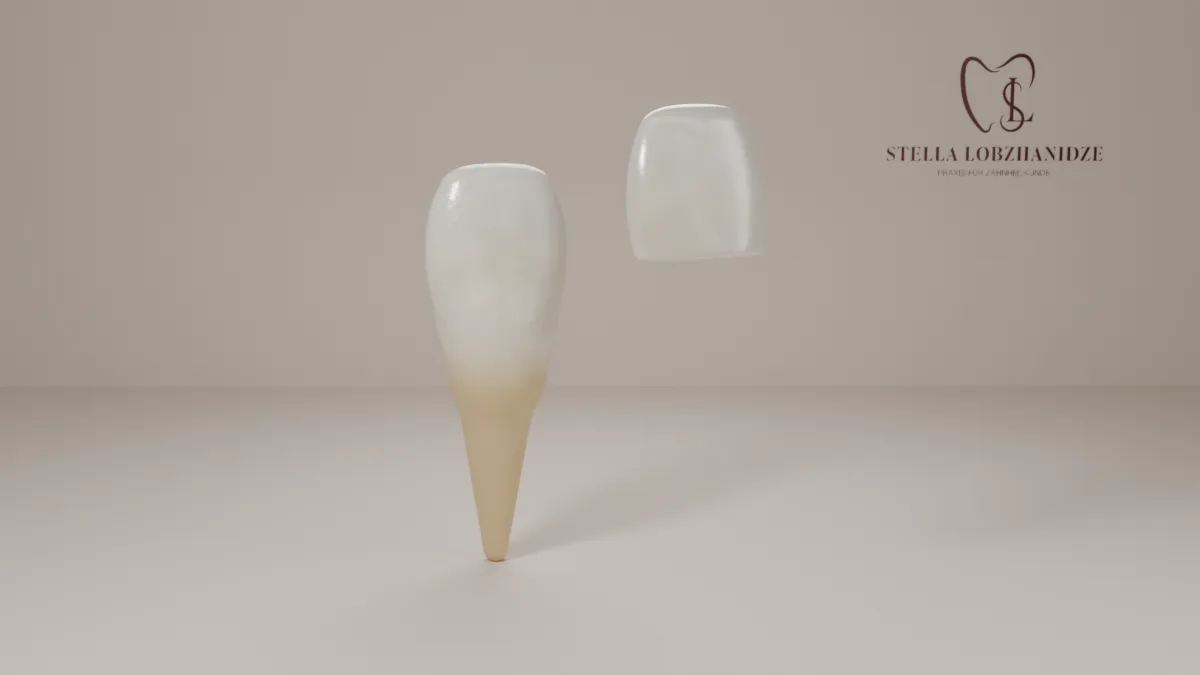
Who are veneers suitable for?
Veneers are thin shells bonded to the front surface of a tooth. They can be an option for healthy front teeth that are discoloured, chipped or have small gaps. A little enamel is often filed away first, and this step cannot be undone.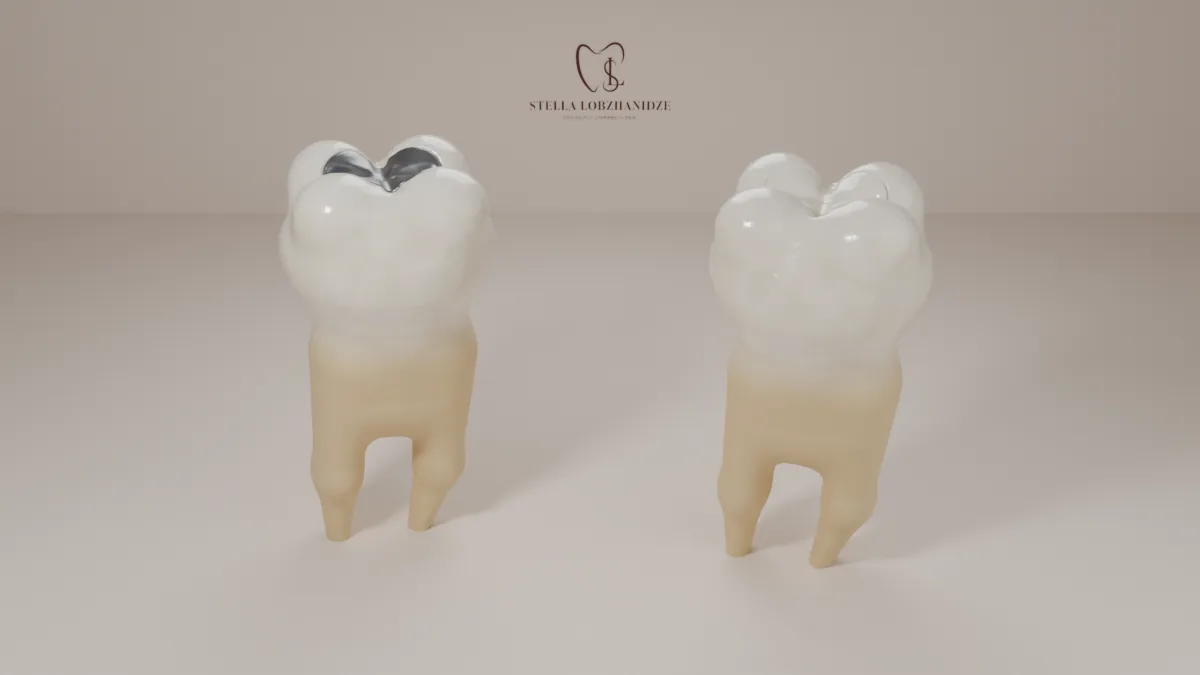
Which fillings are available after the amalgam ban?
Since 1 January 2025, amalgam can generally no longer be used for fillings in the EU. Intact amalgam fillings do not need to be replaced. For new fillings, there are several materials, such as composite, glass ionomer cement or ceramic inlays.
What helps with fear of the dentist?
Fear of the dentist is common. It often helps to talk about it openly and agree on a hand signal for breaks. If your fear is so strong that you avoid appointments, psychotherapy can help.
Changing dentist: what should you bring to your first appointment?
In Austria you are free to choose your dentist. For your first appointment at a new practice, it helps to bring your e-card, a list of your medicines and any previous test results. You can get copies of your records, including X-rays, from your previous practice, and the first copy is free.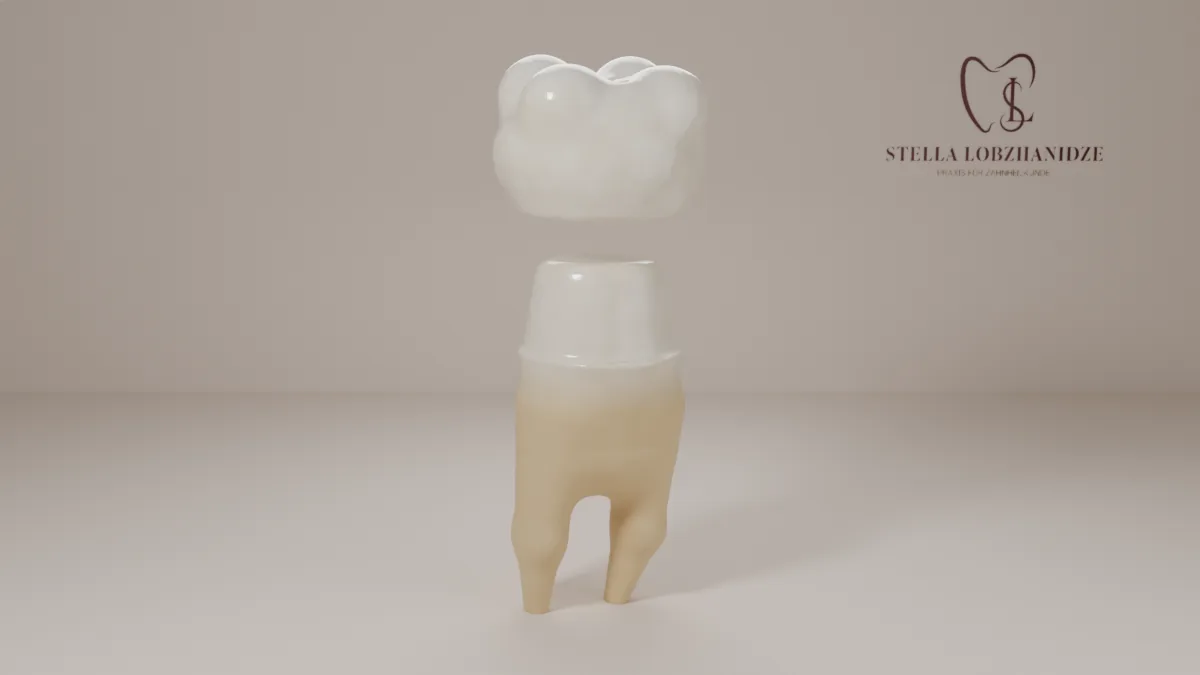
When does a tooth need a crown?
A crown may be an option when a tooth is badly damaged, for example by a large filling, deep decay, a break or severe wear. It covers the whole tooth and makes it stronger again. If enough healthy tooth is left, a filling, an inlay or an onlay is sometimes enough.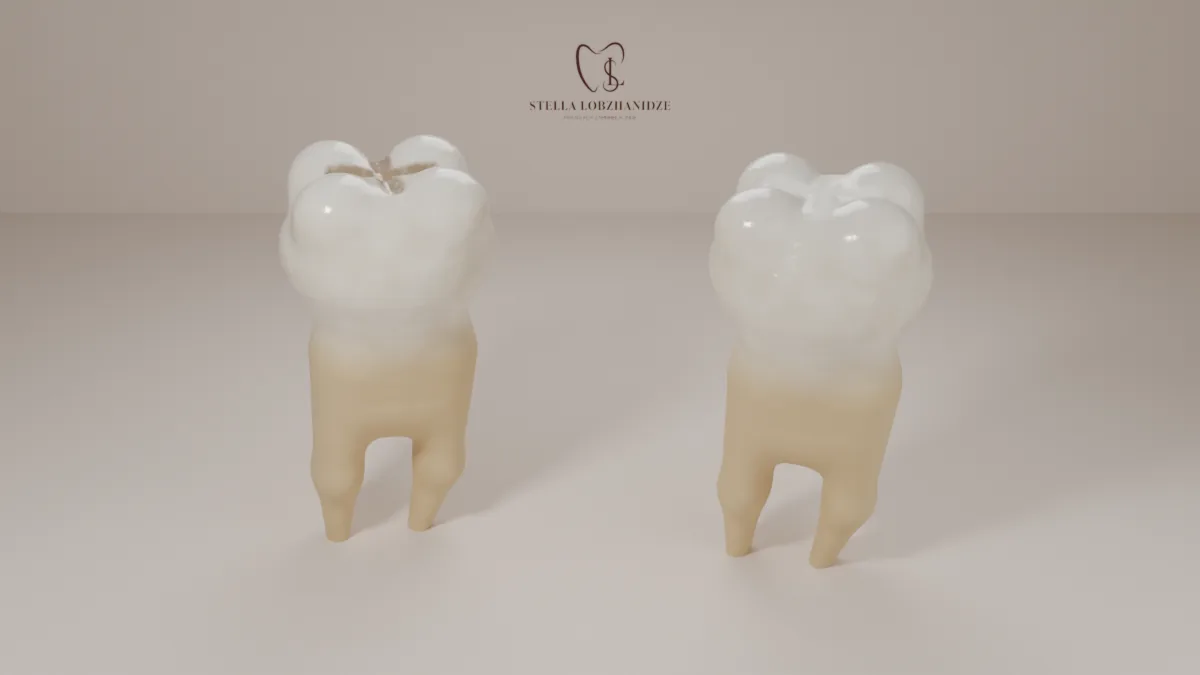
Fissure sealants: are they right for your child?
A fissure sealant covers the fine grooves on the biting surfaces of the permanent back teeth with a thin plastic coating. Bacteria then find it harder to settle there, and the tooth is better protected against decay. Sealants are recommended mainly when the risk of decay is higher and for deep grooves that are hard to brush.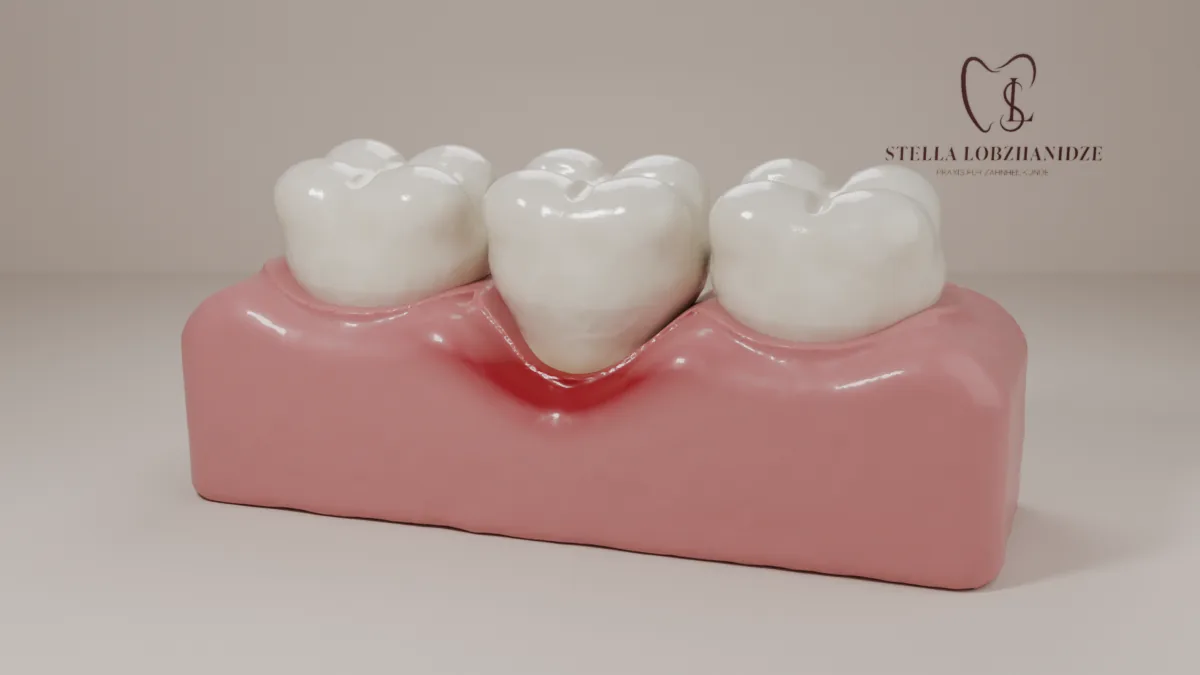
How to spot and prevent periodontitis early
Periodontitis is an inflammation of the tissues that hold your teeth in place, caused by bacteria. Left untreated, it breaks down gum tissue and bone until teeth become loose and can fall out. Thorough cleaning, not smoking and regular check-ups are the most important steps to prevent it.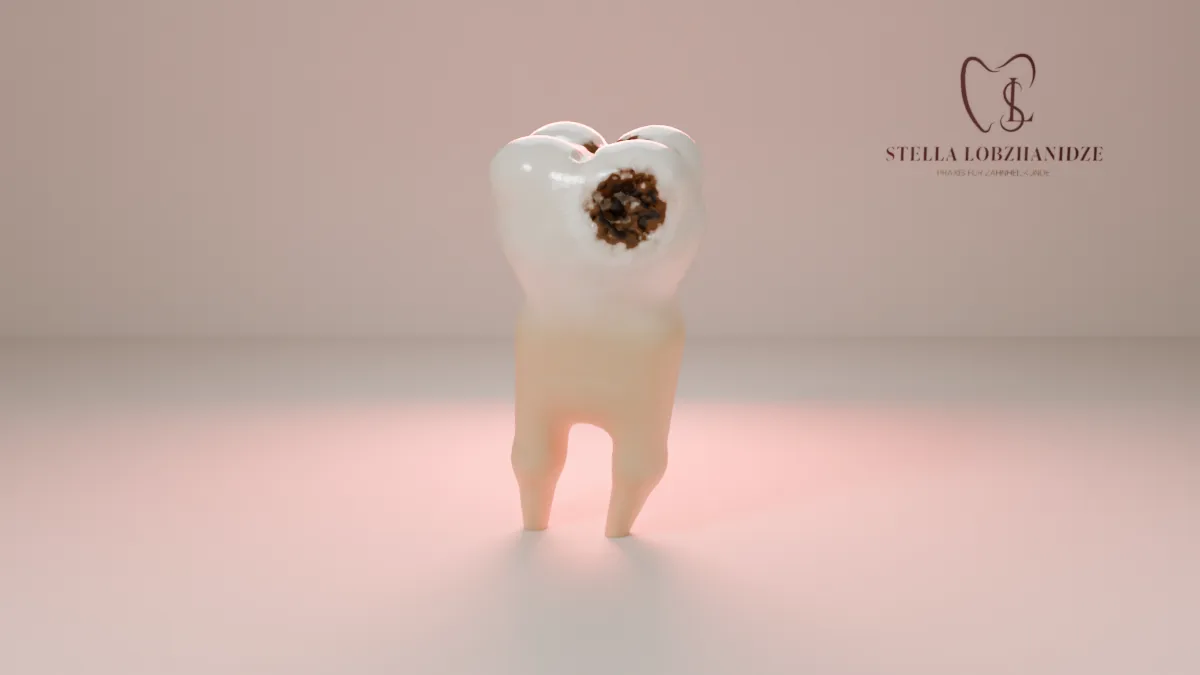
What causes toothache and what helps?
Toothache usually has a cause in the tooth or the gums, such as tooth decay, an infection or a damaged tooth. Painkillers and simple measures can bridge the time until your appointment, but they do not treat the cause. If the pain lasts more than two days, come to the practice.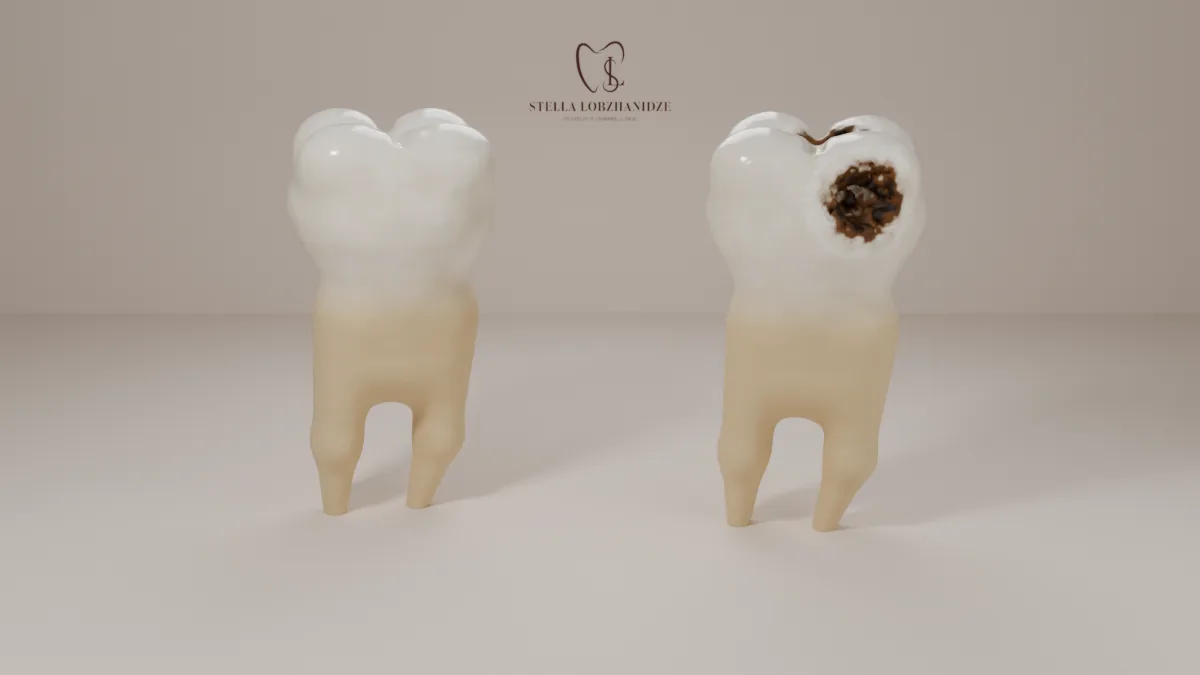
How does tooth decay develop and how can you prevent it?
Tooth decay starts when bacteria in plaque break down sugar and produce acids that attack tooth enamel. Brushing twice a day with fluoride toothpaste, keeping sugar down and having regular check-ups lower the risk. If it is found early, decay can often be treated without drilling.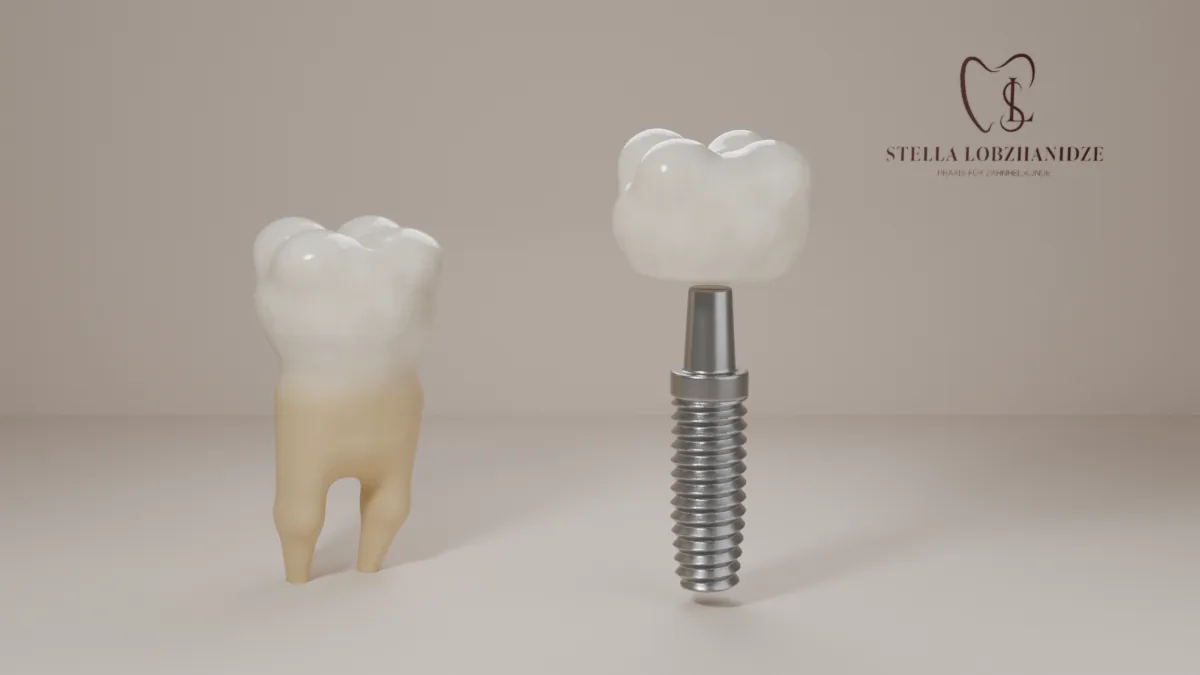
Looking after your dental implants
How long a dental implant lasts depends heavily on how well it is cared for and followed up. The gum around an implant is more sensitive than around a natural tooth. Even small amounts of plaque can cause inflammation there.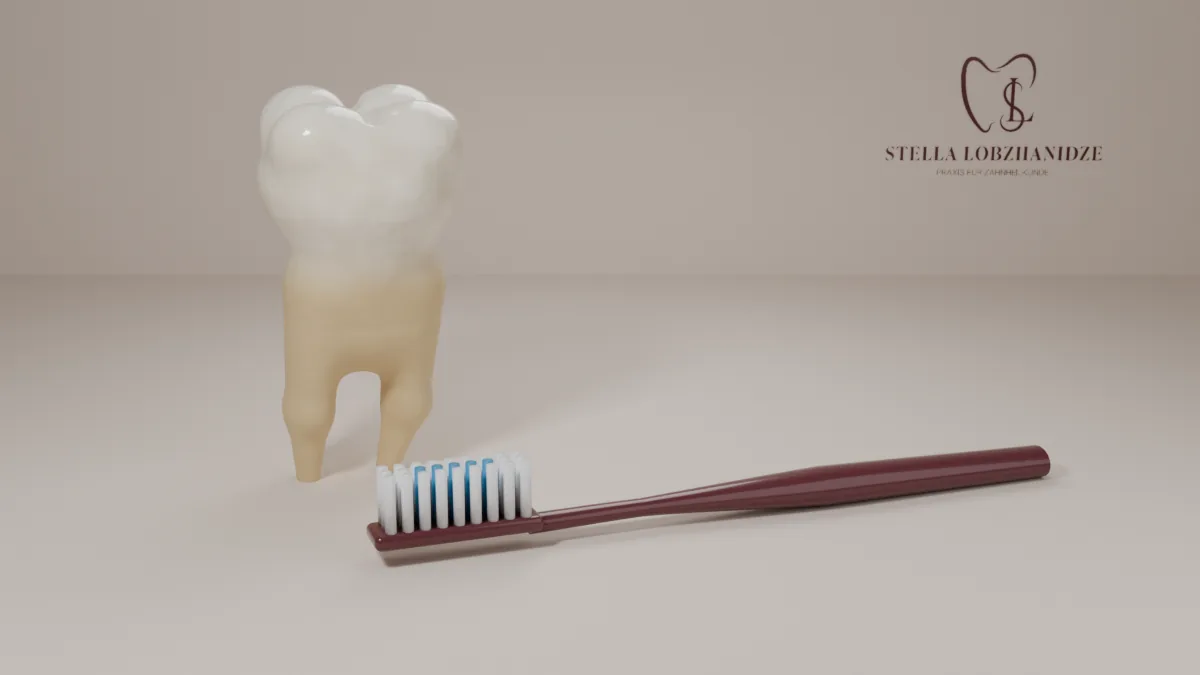
How do you brush your teeth properly?
Brushing twice a day for two minutes with fluoride toothpaste and cleaning between your teeth once a day is the basis of caring for your teeth at home. What matters more than the type of toothbrush is reaching every surface gently and in a set order.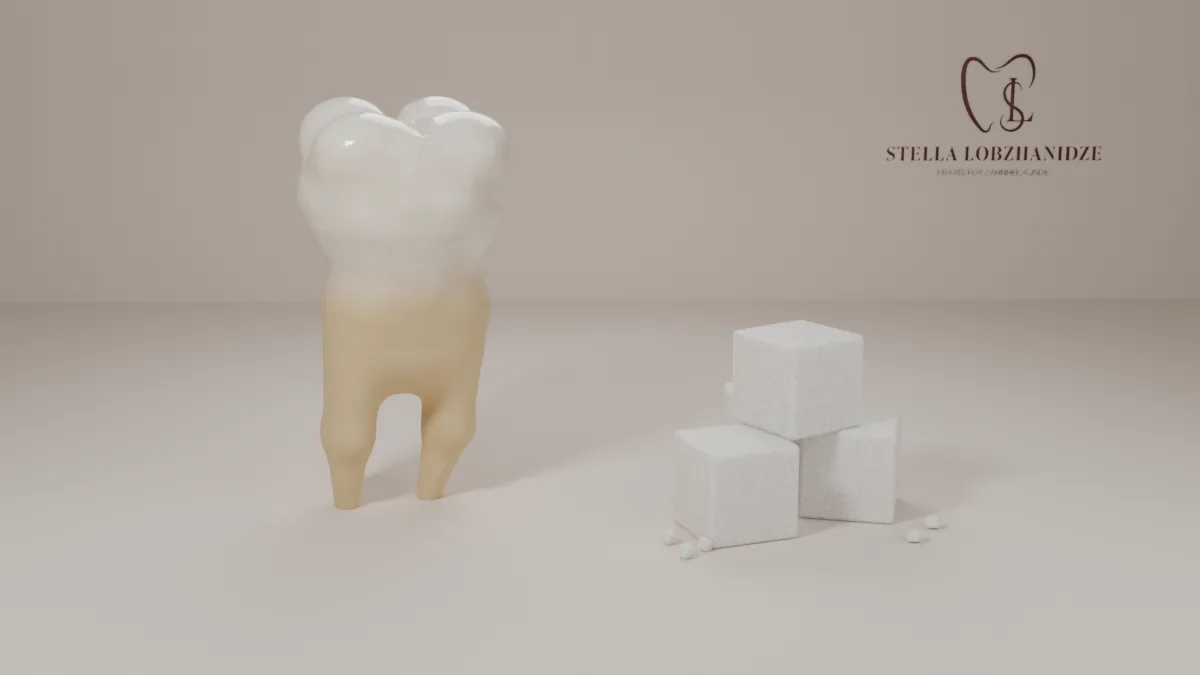
What harms your teeth day to day, and what protects them?
Healthy teeth depend on more than brushing. What you eat and drink, whether you smoke and how often you go for check-ups all play a part. Brushing technique is covered in a separate article.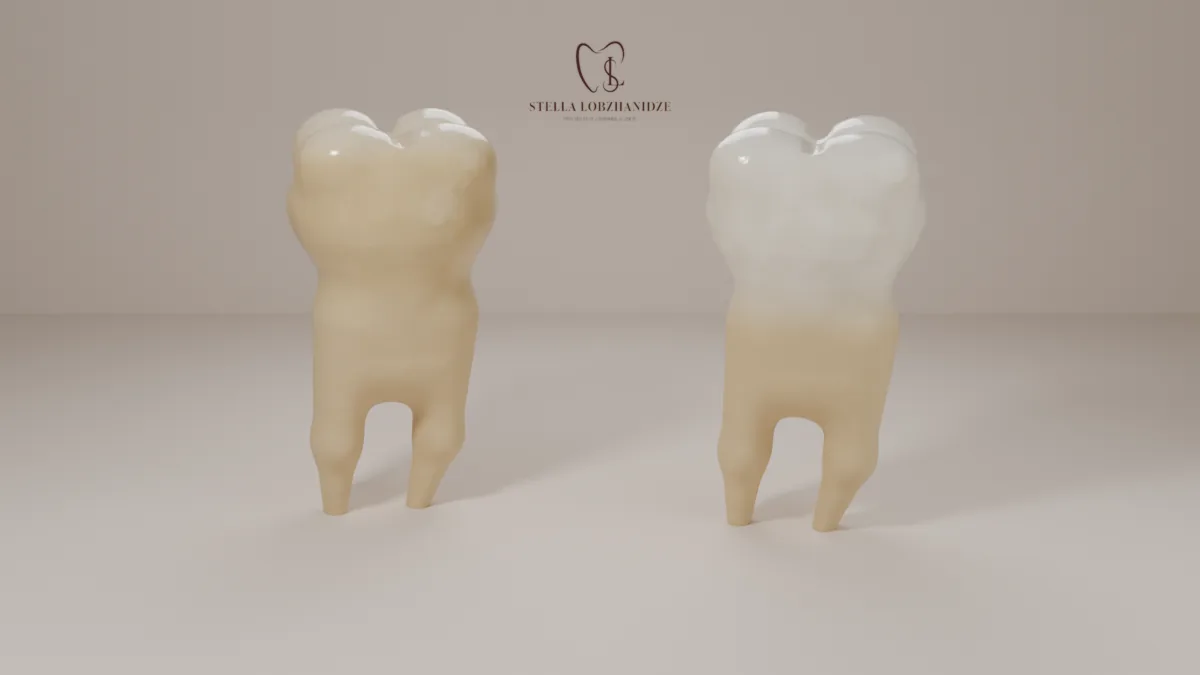
How do I prepare for teeth whitening?
Teeth whitening always starts with a dental check-up. Any tooth decay or gum inflammation is treated first, and a professional clean removes surface deposits. After that, we can judge how much lighter your teeth are likely to get.