Looking after your dental implants
How long a dental implant lasts depends heavily on how well it is cared for and followed up. The gum around an implant is more sensitive than around a natural tooth. Even small amounts of plaque can cause inflammation there.
By Stela Lobzhanidze, dentist in Vienna-Meidling
Published · updated
Key points
- In the first few days, cold compresses, painkillers as advised and protecting the wound all help.
- Do not brush the treated area for the first week, but keep brushing your other teeth.
- After that, clean implants like your own teeth and use interdental brushes every day.
- Regular check-ups and professional cleaning are essential for an implant to last a long time.
- Have red, swollen or bleeding gums around an implant checked promptly.
What matters in the first few days after the procedure?
Swelling, bruising and pain are normal after an implant has been placed. The pain usually lasts up to a week.
These tips help in the first few days:
- If it bleeds, place a clean rolled-up handkerchief over the wound and bite down firmly for at least 30 minutes.
- For the first 6 hours, apply something cold for about 10 minutes every hour, wrapped in a cloth and never directly on the skin.
- Take painkillers as your dentist advises, ideally before the anaesthetic wears off.
- Do not drink alcohol for the first 24 hours.
- You can usually eat normally, though soft food is often recommended for the first few days.
- Do not smoke, and ideally stop for good.
If you wear a removable denture, you may not be able to wear it for a while. Ask your dentist about this before the procedure.
How should you clean your mouth in the first week?
Do not brush the treated area for about a week. Brush your other teeth as usual.
An antibacterial mouthwash containing chlorhexidine is often recommended during this time. Use it exactly as your dentist tells you.
A follow-up appointment usually takes place after one to two weeks. Your dentist checks how the wound is healing and removes the stitches.
How do you look after implants day to day?
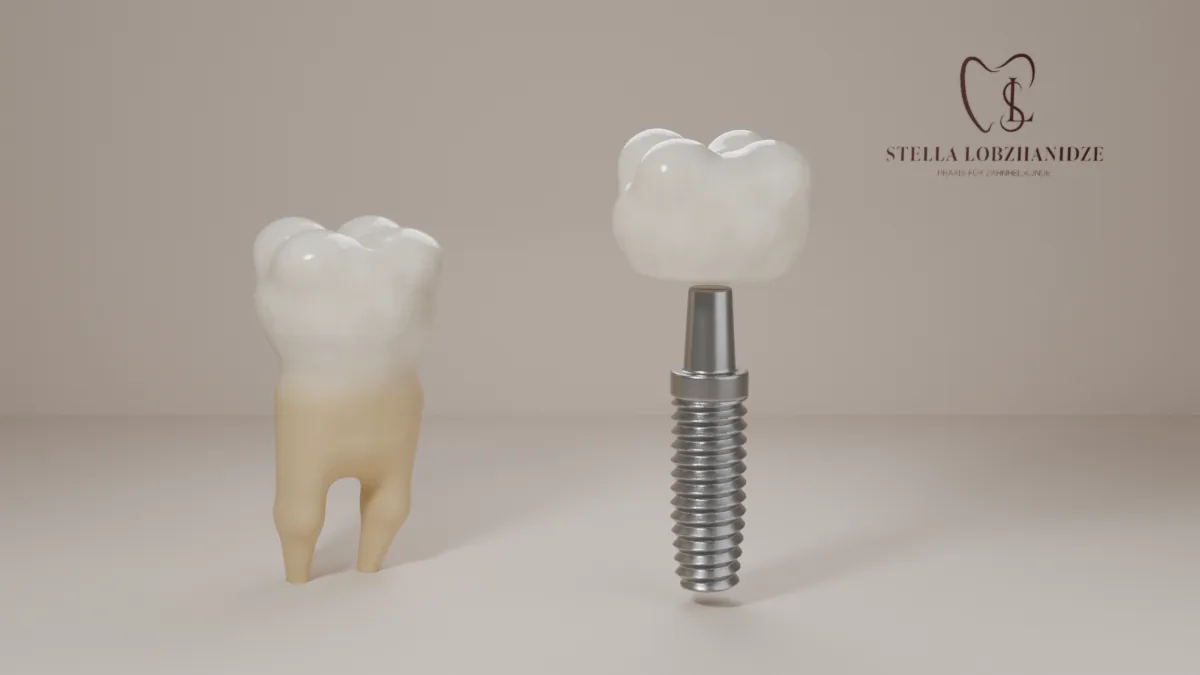
You clean an implant in much the same way as a natural tooth. An implant cannot get tooth decay, but the gum around it can become inflamed.
For daily cleaning:
- Brush your teeth twice a day, once of them last thing at night.
- Clean carefully around the implant every day with interdental brushes.
- Pay particular attention to where the gum meets the implant.
- Where interdental brushes do not fit, floss can help.
At your hygiene appointment in the practice, you can be shown which brush size suits the gaps between your teeth.
Why do check-ups and professional cleaning matter?
Plaque and tartar on an implant cannot always be removed fully at home. That is why regular check-ups and professional cleaning are part of aftercare.
At a check-up, the gum, crown and implant are examined. X-rays can show inflammation around the implant at an early stage.
How often you should come depends on your oral health and is decided individually. If you like, we can remind you of your next appointment by text message.
How can you tell if you have peri-implantitis?
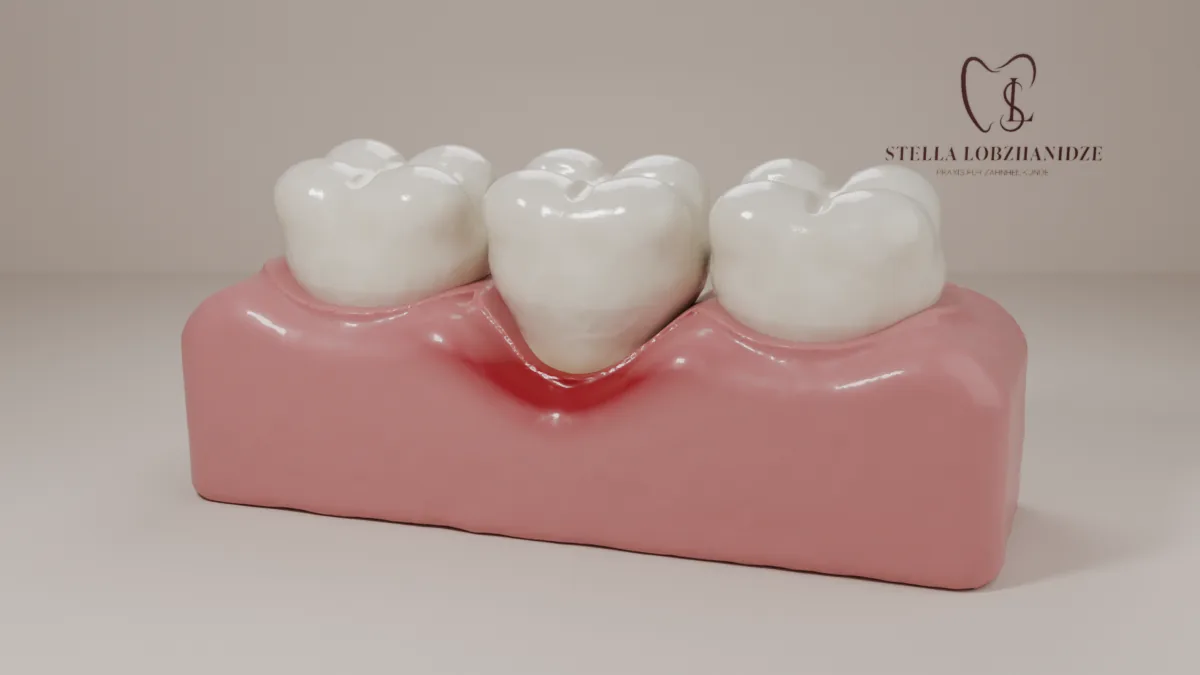
Peri-implantitis is inflammation of the tissue around an implant. It is caused by bacteria, usually when plaque builds up around the implant.
If left untreated, it can damage the jawbone. The implant may then become loose or be lost. In the early stages it often goes unnoticed.
Possible signs include:
- red, sore or swollen gums around the implant
- bleeding around the implant
- bad breath
- itching around the implant
Besides poor oral hygiene, smoking, stress and hormonal changes can also make peri-implantitis more likely. Treatment depends on how severe it is and, in advanced cases, may need surgery.
How long does a dental implant last?
Nobody can promise a fixed lifespan. However, implants that are well cared for often last a very long time.
What matters most is thorough cleaning at home, regular check-ups and getting anything unusual checked quickly.
Come to the practice if:
- the pain has not eased after about a week or is getting worse
- the gum around the implant is red, swollen or sore
- there is bleeding around the implant, for example when brushing
- you notice persistent bad breath or itching around the implant
- the implant or crown feels loose
See a dentist or the emergency service straight away if:
- bleeding after the procedure does not stop after 30 minutes of biting firmly on a cloth
Outside opening hours, you can reach the dental emergency service on +43 1 512 20 78
Book an appointment
Book online or give us a call.
Sources
- Gesundheitsportal (gesundheit.gv.at) – Zahnimplantate
- Guy's and St Thomas' NHS Foundation Trust – After having a dental implant
- Oral Health Foundation – Dental implants
- Apotheken Umschau – So verhindern Sie, dass sich Ihr Zahnimplantat entzündet
This article is for general information only and does not replace a dental examination or advice.