How to spot and prevent periodontitis early
Periodontitis is an inflammation of the tissues that hold your teeth in place, caused by bacteria. Left untreated, it breaks down gum tissue and bone until teeth become loose and can fall out. Thorough cleaning, not smoking and regular check-ups are the most important steps to prevent it.
By Stela Lobzhanidze, dentist in Vienna-Meidling
Published · updated
Key points
- Periodontitis usually develops from untreated gum inflammation (gingivitis).
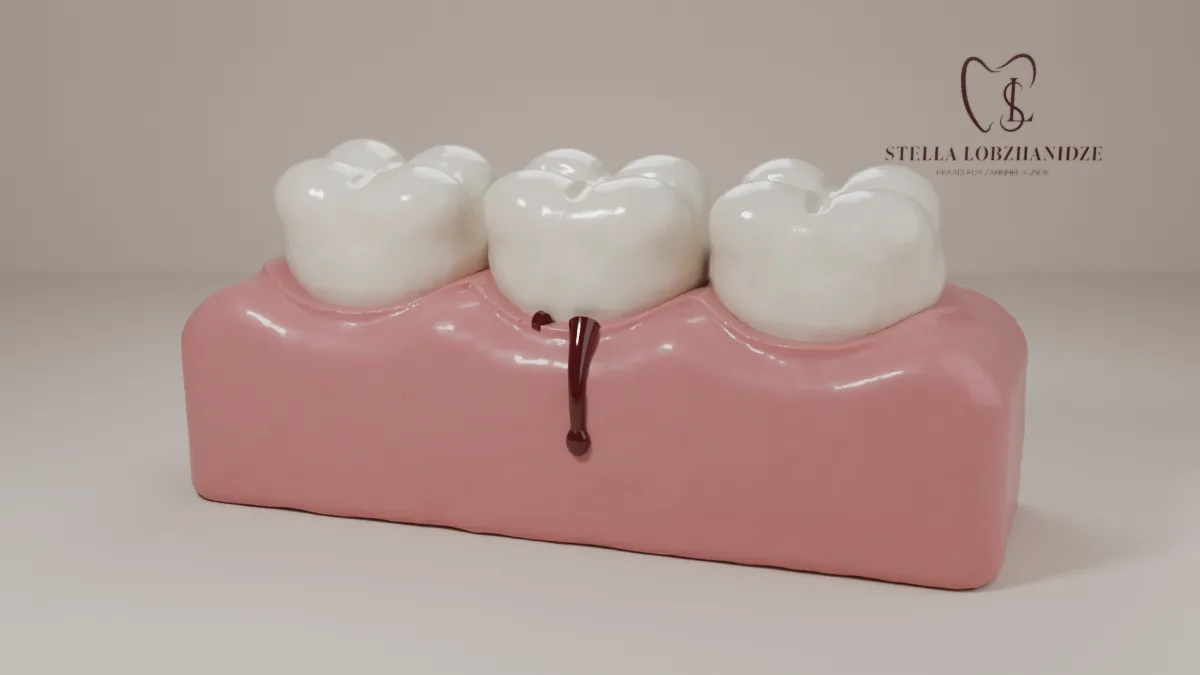
- Symptoms often appear late, and gums that keep bleeding are an early warning sign.
- According to the WHO, poor oral hygiene and smoking are the main risk factors, and diabetes and periodontitis affect each other.
- Brush twice a day, clean between your teeth every day and have your gums checked once a year.
- The earlier treatment starts, the better the disease can be stopped from getting worse.
What is periodontitis?
Periodontitis is an inflammation of the periodontium, the tissue that anchors each tooth in the jaw. It is also known as periodontal disease or, more simply, gum disease.
It is caused by bacteria in plaque. If plaque is not removed, the gums become inflamed first. This gingivitis is usually painless, so it often goes unnoticed.
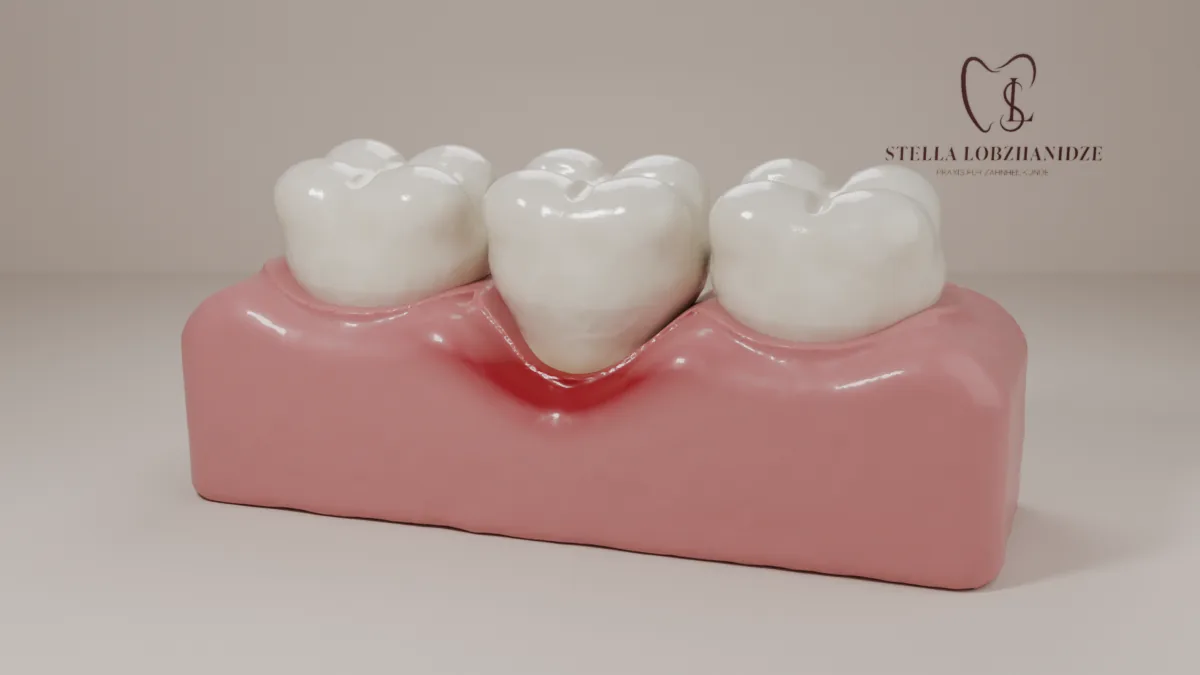
If the inflammation spreads to the tissues supporting the tooth, deeper gum pockets form. More bacteria collect in them. The body's immune response gradually breaks down connective tissue and bone. Over time, teeth can loosen and fall out.
What are the signs of periodontitis?
Periodontitis usually only causes symptoms once it is advanced. So it is worth looking out for mild signs too:
- Gums that bleed when you brush, floss or eat
- Red, swollen or sore gums
- Gums that shrink back and sensitive tooth necks
- Bad breath or a bad taste in your mouth
- Pus that comes out when you press on the gums
- Loose teeth or teeth that change position
Many people have mild gum inflammation from time to time. But if your gums keep bleeding, have them checked.
What increases the risk of periodontitis?
According to the World Health Organization (WHO), poor oral hygiene and smoking are the main risk factors. Other factors can add to the risk:
- Diabetes, especially if blood sugar is poorly controlled
- Hormonal changes during pregnancy
- Certain medicines, such as immunosuppressants or some drugs for heart and blood vessel conditions
- An inherited or individual susceptibility
According to the WHO, diabetes and periodontitis are linked in both directions. So mention smoking and diabetes to your dentist. Both are also part of the treatment.
How can you prevent periodontitis?
The most important thing is to remove bacterial plaque thoroughly every day. Health portals in Austria, Germany and the UK recommend:
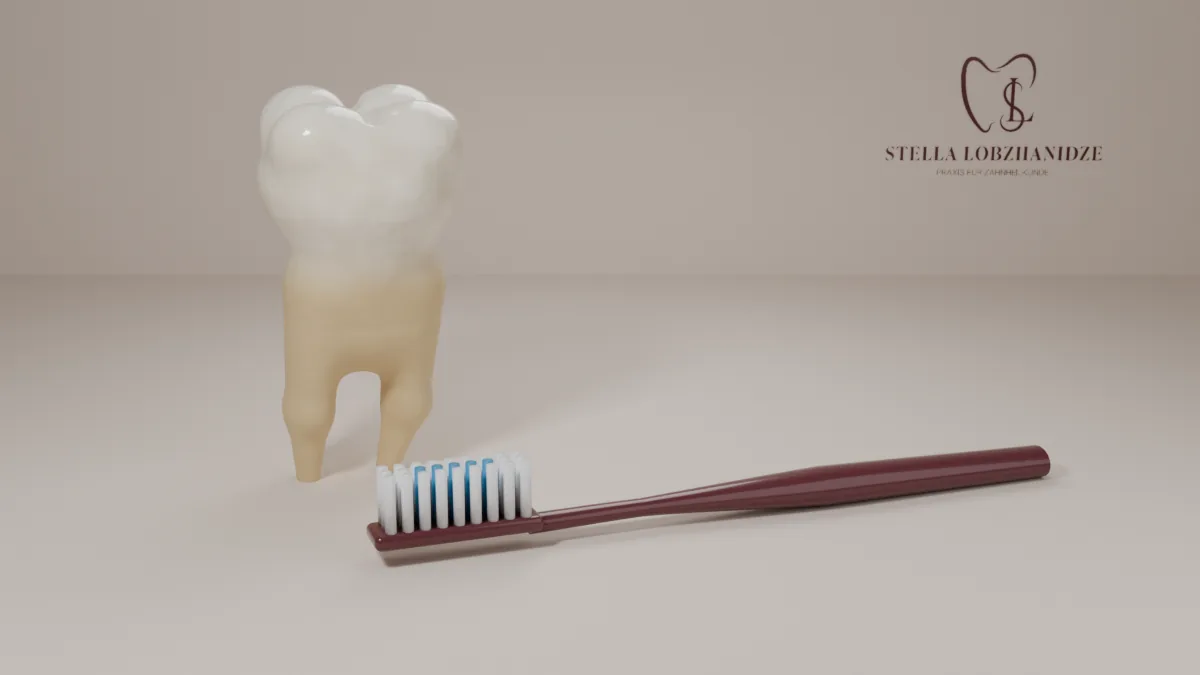
- Brush your teeth twice a day for two minutes with fluoride toothpaste
- Clean between your teeth every day with floss or interdental brushes
- Do not smoke
- Have your gums checked once a year (basic periodontal examination)
- Have your teeth professionally cleaned regularly
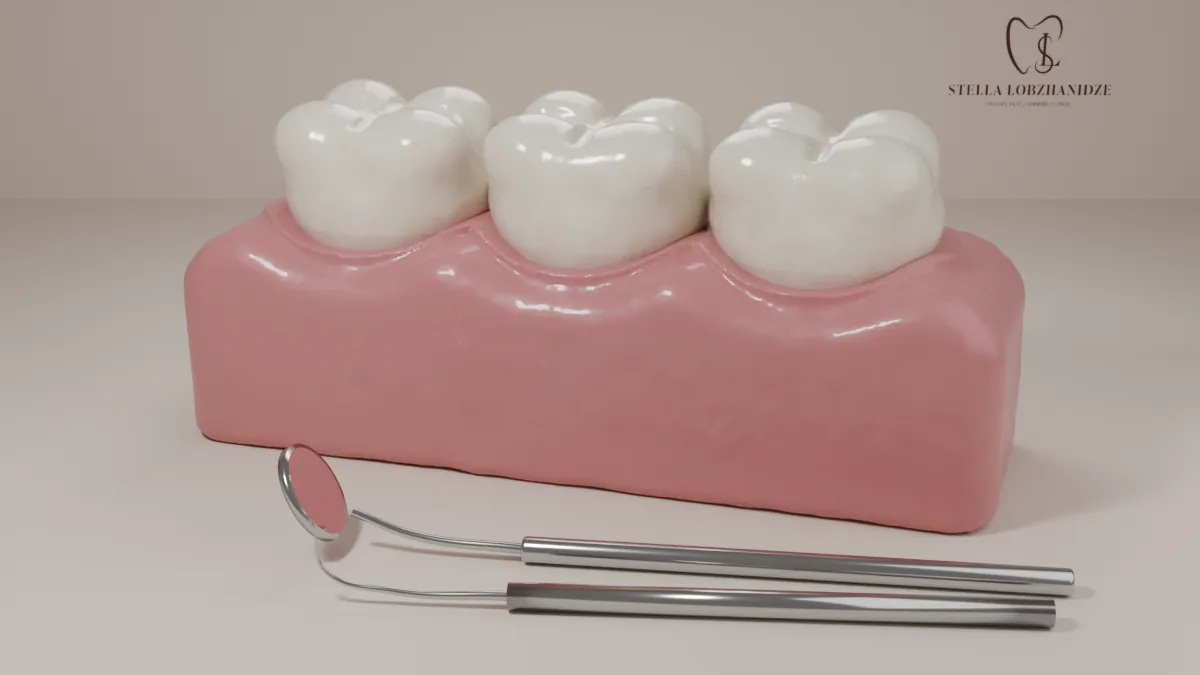
During the basic periodontal examination, the dentist uses a fine probe to check whether gum pockets have formed. This means periodontitis can be detected early.
Regular check-ups are especially important if you are pregnant or have diabetes.
How is periodontitis treated?
The aim is to stop the inflammation and keep your teeth. The earlier treatment starts, the better the disease can be stopped from getting worse.
First, the dentist records your gum health in detail. She measures the depth of the gum pockets, checks for bleeding and gum recession, and adds an X-ray. Treatment then follows in stages:
- Professional teeth cleaning, advice on how to clean your teeth and a talk about risk factors such as smoking or diabetes.
- Deep cleaning of the gum pockets below the gum line, in several sessions and under local anaesthetic if needed.
- A check after about six to twelve weeks. If deep pockets remain, antibiotics or gum surgery may be needed.
- After that, ongoing maintenance with regular check-ups, matched to your personal risk.
Maintenance is a fixed part of the treatment. Daily cleaning at home is just as important.
What does Stella Dent offer for periodontitis?
At our practice in 1120 Vienna, we treat periodontitis over several sessions. We remove bacteria and hard deposits below the gum line as well (deep cleaning).
For prevention and maintenance, we offer professional teeth cleaning. Our prophylaxis team shows you the right brushing technique and how to clean between your teeth.
Stela Lobzhanidze is a private dentist (Wahlarzt). We bill SVS and KFA directly; with other funds, you get part of the cost reimbursed. Professional teeth cleaning is a private service. We treat patients in German, Georgian, Russian, Polish, Turkish and English.
Come to the practice if:
- your gums keep bleeding when you brush or eat
- your gums are red, swollen or sore
- you have bad breath that does not go away
- your tooth necks become sensitive or your gums are shrinking
- you are pregnant or have diabetes and have not had a check-up for a while
See a dentist or the emergency service straight away if:
- your gums are badly swollen and very painful
- your teeth are becoming loose or falling out
Outside opening hours, you can reach the dental emergency service on +43 1 512 20 78
Book an appointment
Book online or give us a call.
Sources
- Gesundheitsportal (gesundheit.gv.at) – Parodontitis
- gesund.bund.de (German Federal Ministry of Health) – Zahnfleischentzündung und Parodontitis
- NHS – Gum disease
- WHO – Oral health (fact sheet)
This article is for general information only and does not replace a dental examination or advice.