How do you fill a gap in your teeth – bridge, implant or denture?
A gap left by a missing tooth can be filled with a bridge, an implant or a removable denture. Which option suits you depends mainly on the neighbouring teeth, the jawbone, your general health and what you would like. Sometimes it is also reasonable to leave a gap as it is.
By Stela Lobzhanidze, dentist in Vienna-Meidling
Published
Key points
- Bridges are supported by the neighbouring teeth, implants are anchored in the jawbone, and dentures can be taken out.
- A conventional bridge requires the neighbouring teeth to be drilled down and crowned, an implant does not.
- An implant needs enough bone, and smoking or poorly controlled diabetes increase the risk.
- If a gap is left, the neighbouring teeth can drift into the space.
- ÖGK generally treats fixed tooth replacements as private treatment, but contributes to approved dentures.
Does every gap need to be filled?
Missing teeth can make eating and speaking more difficult. Many people also feel self-conscious about how the gap looks.
If a gap is left, the neighbouring teeth can drift into the space. This makes a bridge harder to fit later on.
Still, not every gap needs to be filled. If it does not affect your eating or appearance, patient information from an NHS hospital trust in Leeds says it may be better to leave it.
How does a bridge work?
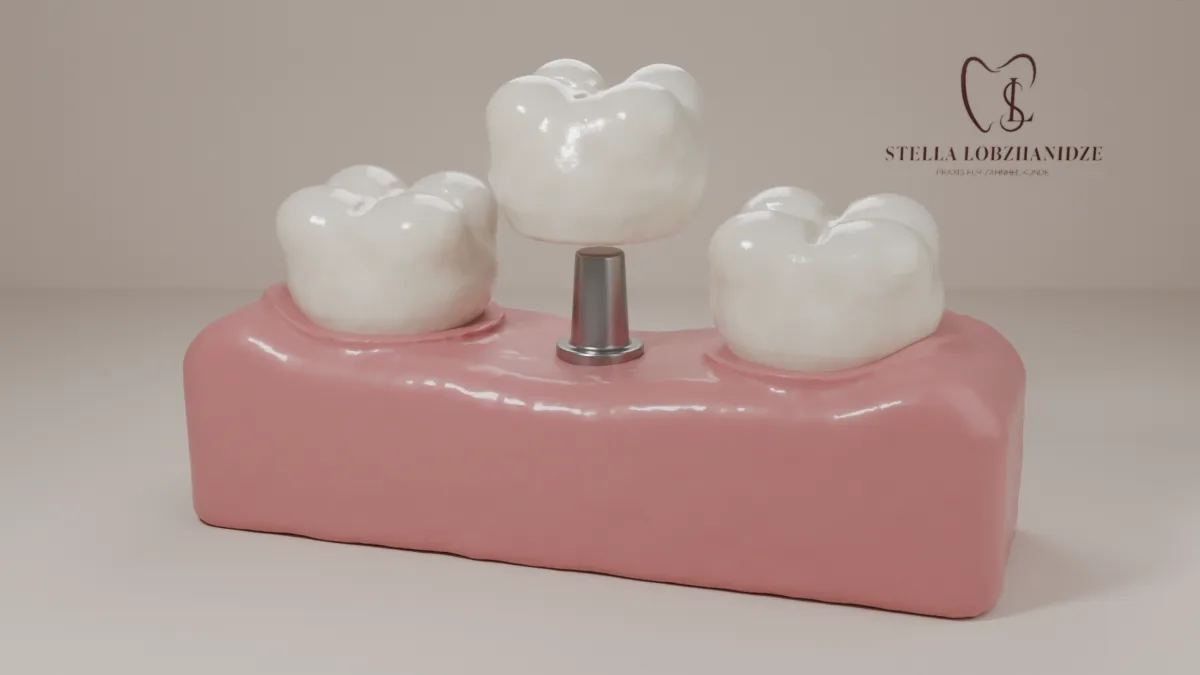
A bridge replaces one or more missing teeth. It is fixed to the teeth or implants next to the gap and cannot be taken out.
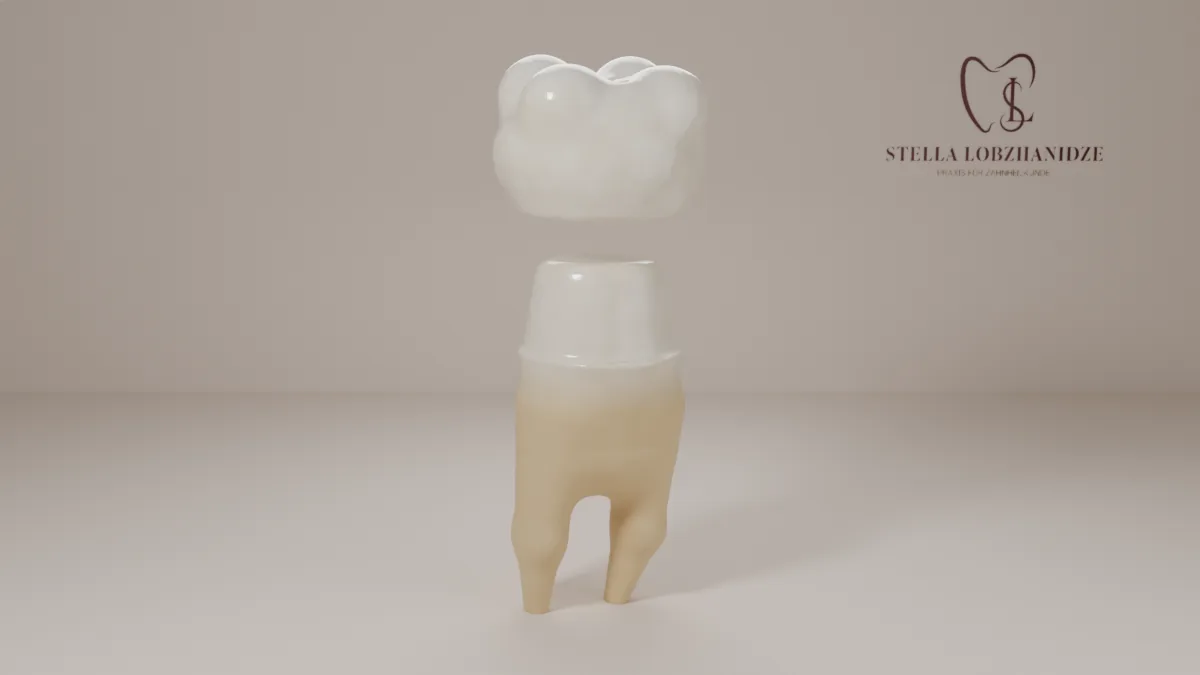
For a conventional bridge, the neighbouring teeth are drilled down and given crowns, which hold the false tooth. It is more secure than a resin-bonded bridge. It is often chosen when the neighbouring teeth already have crowns or large fillings.
One drawback is that drilling down can damage the supporting teeth. Sometimes the nerve of the tooth dies, and root canal treatment becomes necessary.
For a resin-bonded bridge, a small metal wing is glued to the back of a neighbouring tooth. The teeth need little or no drilling. The most common problem is that the bridge comes loose, but it can usually be glued back on.
What are the pros and cons of an implant?
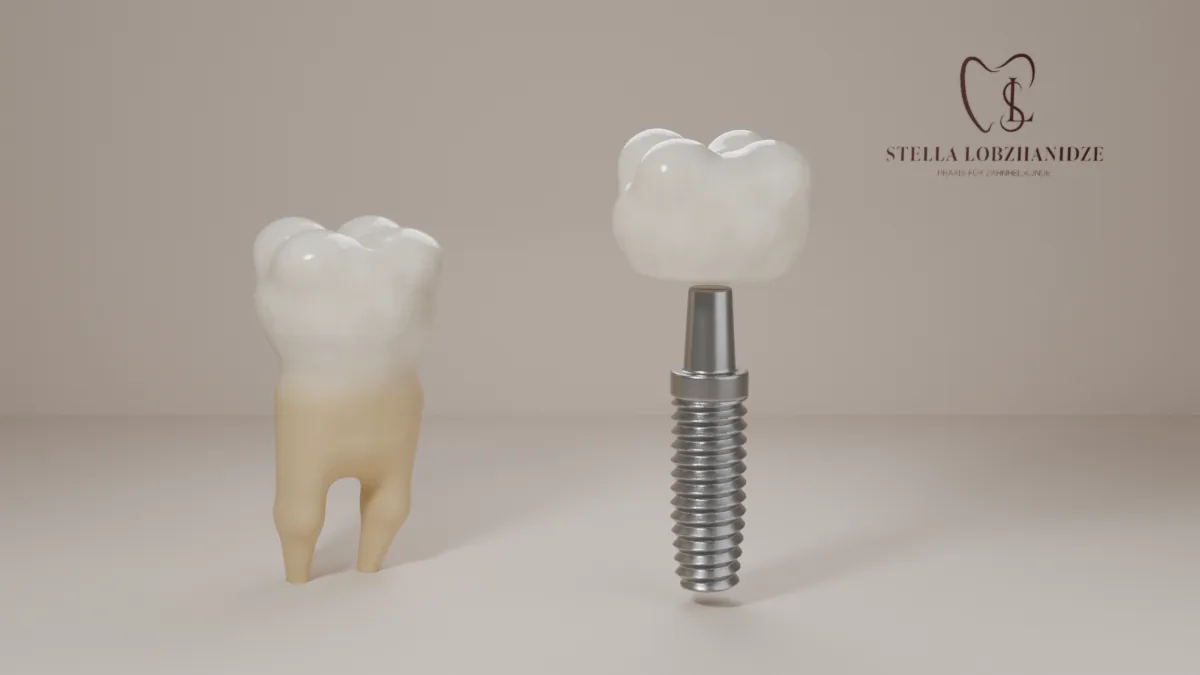
An implant is an artificial tooth root, usually made of titanium alloy. It is placed in the jawbone surgically and later holds a crown, a bridge or a denture.
The neighbouring teeth do not need to be drilled down. Removable dentures are much more stable when fixed to implants.
The procedure is usually done under local anaesthetic. The implant then needs two to six months to heal before the new tooth is made. Several appointments are needed.
Pain, swelling and bruising are common after the procedure. Rarely, an implant does not fuse with the bone. Later on, the gum around the implant can become inflamed, and bone can be lost.
When is a denture a good option?
A partial denture replaces one or more missing teeth. It is held in place with clasps on your own teeth, and you can take it out.
According to gesundheit.gv.at, it is an option when there are larger gaps or when the supporting teeth are not stable enough for a fixed solution. If all the teeth in one jaw are missing, a complete denture is used.
It usually takes a few weeks to get used to a denture. It is taken out and cleaned every day. Only wear it overnight if your dentist recommends it.
Over time, a denture can become loose because the gums and jaw change. So have it checked regularly.
What does the choice depend on?
A dental examination will show which option is right for you. The main points are:
- the neighbouring teeth: if they already have crowns or large fillings, a bridge is often the better choice
- the jawbone: an implant needs enough bone, and if bone is missing, it can sometimes be built up
- your health: smoking and poorly controlled diabetes increase the risk of losing an implant
- your age: implants are usually only placed once you have stopped growing
- the number of missing teeth: if several teeth are missing, a denture is often recommended
- your wishes, for example whether you would like a fixed solution
What does health insurance pay for?
According to ÖGK (Austrian Health Insurance Fund), crowns, bridges and implants are generally private treatments. A contribution is only paid for special medical reasons, such as a cleft lip and palate or after surgery for a tumour in the mouth.
ÖGK contributes to removable dentures. The denture must be approved before it is made. According to ÖGK, since 1 May 2026 you pay a co-payment of 20 to 30 percent of the tariff rate.
If you see a private dentist (Wahlzahnarzt), ÖGK reimburses 80 percent of the tariff rate after deducting the co-payment. Here too, the treatment and cost plan must be approved in advance. Other funds have their own rules.
What happens at a consultation in our practice?
At our practice in 1120 Vienna-Meidling, we offer bridges, implants, and partial and complete dentures.
First we examine your teeth and jawbone, including with X-rays. We then discuss which option suits your situation, and you receive a cost estimate.
We bill SVS and KFA directly. With other funds, you submit the invoice (Honorarnote) for reimbursement, and we are happy to help you with this.
Come to the practice if:
- you are missing a tooth and would like to know which options are right for you
- a gap makes it difficult to eat or speak
- your denture clicks, slips or does not fit well
- your denture rubs, hurts or is damaged
- the gum under your denture is very red or bleeds
Book an appointment
Book online or give us a call.
Sources
- gesundheit.gv.at – Zahnersatz (tooth replacement)
- ÖGK – Zahnersatz (tooth replacement)
- Leeds Teaching Hospitals NHS Trust – Bridges
- Leeds Teaching Hospitals NHS Trust – Dental implants
- NHS – Dentures
This article is for general information only and does not replace a dental examination or advice.