When does a tooth need a crown?
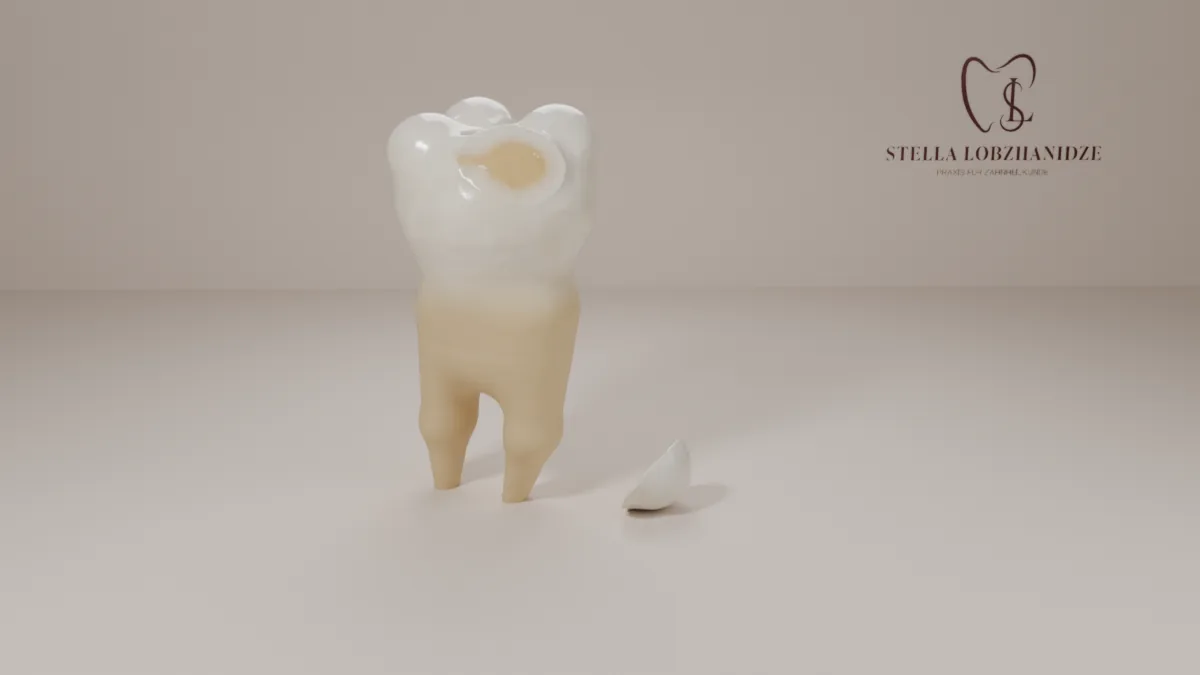
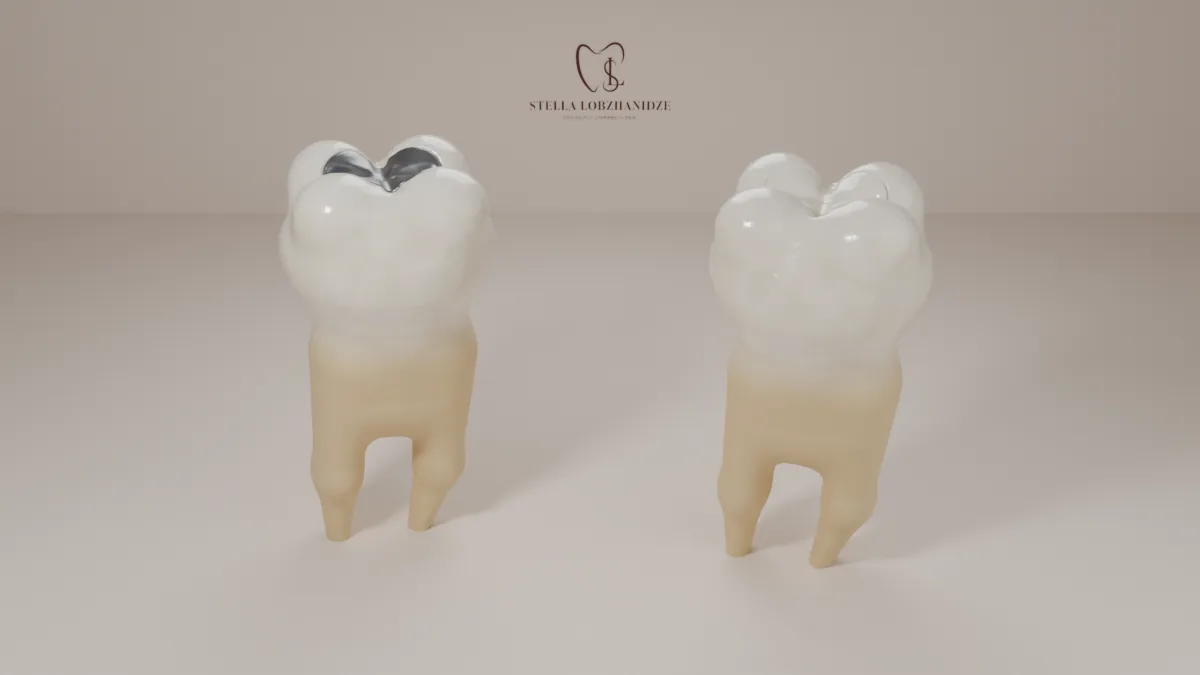
A crown may be an option when a tooth is badly damaged, for example by a large filling, deep decay, a break or severe wear. It covers the whole tooth and makes it stronger again. If enough healthy tooth is left, a filling, an inlay or an onlay is sometimes enough.
By Stela Lobzhanidze, dentist in Vienna-Meidling
Published
Key points
- A crown is a cap that completely covers a damaged tooth.
- Common reasons are large fillings or cavities, breaks, severe wear and weakened root-filled teeth.
- Depending on the damage, a filling, an inlay or an onlay may also be possible.
- For a crown, the tooth is reshaped, and a temporary crown protects it until the crown is ready.
- Thorough brushing, cleaning between your teeth and regular check-ups help to preserve the crown.
What is a dental crown?
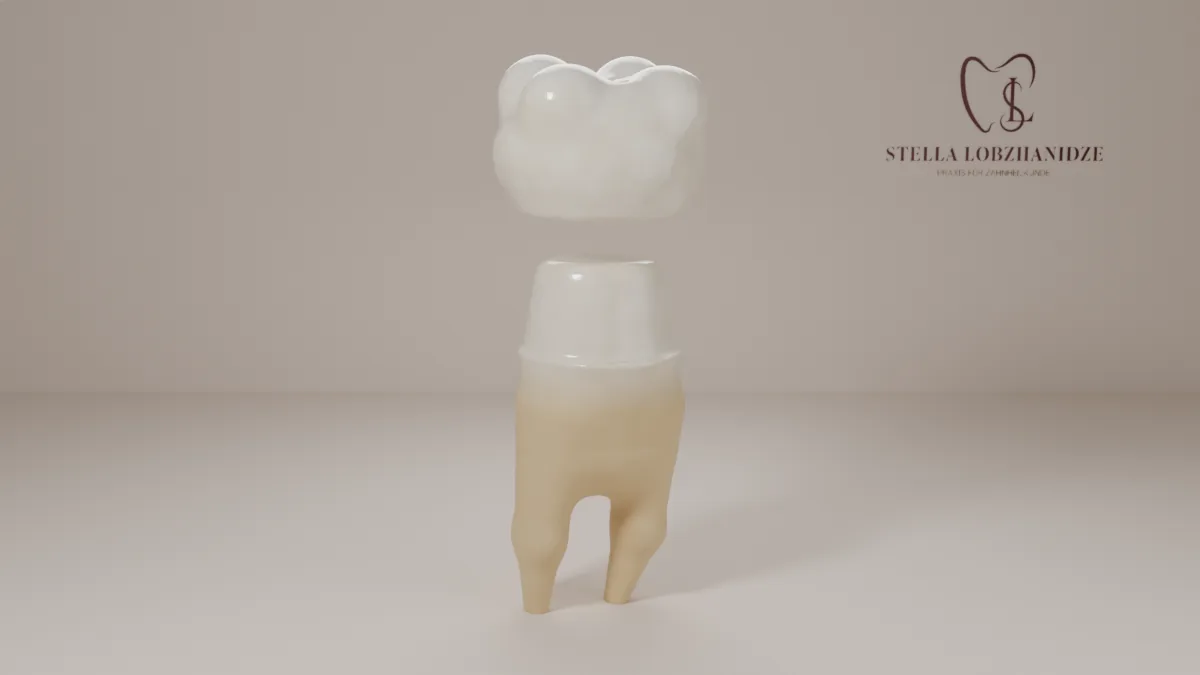
A crown is a restoration that completely covers and encloses a damaged tooth. It is fixed firmly in your mouth.
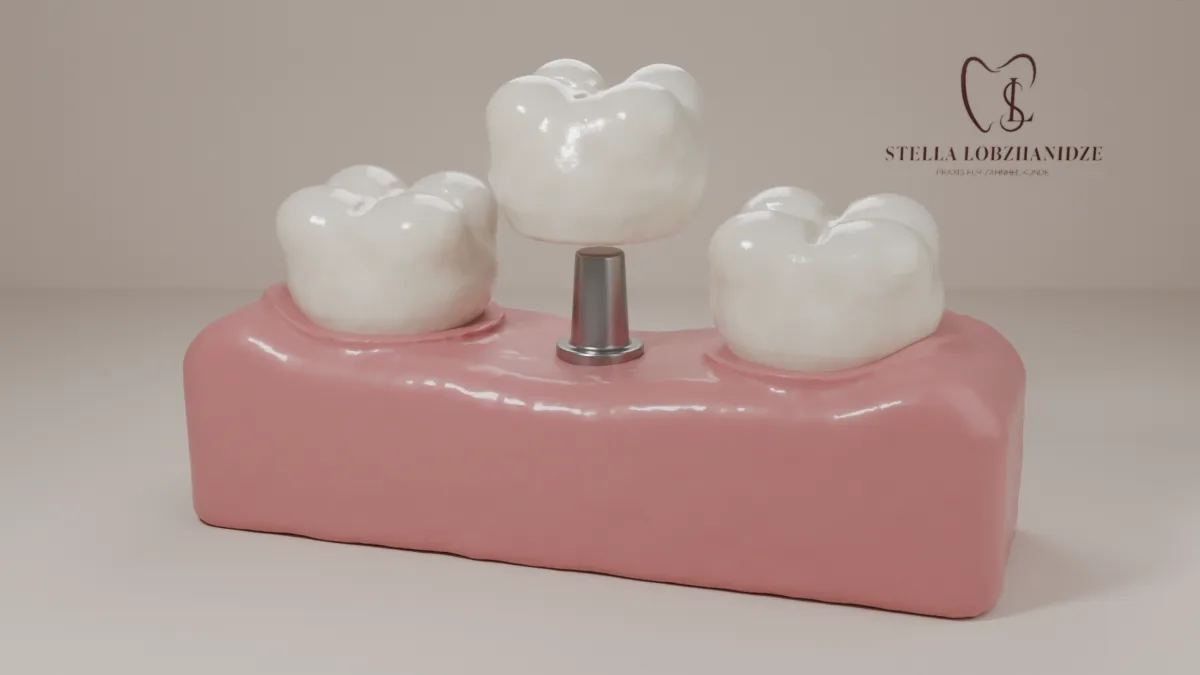
A crown aims to improve how a tooth looks, how strong it is and how well it works. It is made to fit precisely in a dental laboratory. A crown can also sit on an implant.
When does a crown make sense?
A crown may be needed when a tooth is so weak that it needs more protection. Common reasons are:
- a large filling or a large cavity that has weakened the tooth
- a broken or damaged tooth
- severe wear that has made the tooth smaller
- a root-filled tooth with a large filling
- large, discoloured fillings in front teeth that you would like to look better
If decay goes very deep, the Austrian health portal says root canal treatment comes first. The crown is then anchored with a post in the root. A crown may also be needed after a tooth has been badly infected.
Are there alternatives to a crown?
Not every damaged tooth needs a full crown. Depending on how much of the tooth is missing, the options are:
- A tooth-coloured filling that sticks to the enamel can sometimes rebuild a tooth.
- An inlay is made in a laboratory and bonded into the tooth. Ceramic inlays are mainly used for large defects and support weakened tooth walls.
- An onlay, also called a partial crown or overlay, rebuilds the biting surface and supports individual cusps.
- For a front tooth, a veneer may be possible if the bite is not heavy.
A full crown, which covers all of the remaining tooth, is mainly needed when a lot of tooth structure has been lost. Which option suits you depends on the situation in your mouth and on your wishes.
What is a crown made of?
Today, ceramic materials are mostly used. There are also porcelain-fused-to-metal crowns, with a metal core and fired ceramic, and crowns made of metal alloys.
The right material also depends on where the tooth is. According to an NHS dental hospital, all-ceramic crowns suit teeth that are visible where the bite is not too heavy. Metal is chosen when strength matters and the tooth does not show when you smile.
At our practice, we offer crowns made of all-ceramic and zirconia.
What does the treatment involve?
A crown usually needs at least two appointments:
- The tooth is reshaped to make room for the crown. Some tooth structure is removed.
- An impression of the tooth is sent to the dental laboratory.
- A temporary crown protects the tooth until the crown is ready.
- About two weeks later, the temporary crown is removed and the permanent crown is cemented in place.
At our practice, the tooth is prepared under local anaesthetic. We take the impression either the traditional way or with a digital scan.
How do you look after a crown?
A crown needs the same careful cleaning as your natural teeth. This helps to preserve the crown and the teeth next to it.
- Brush twice a day with fluoride toothpaste.
- Clean between your teeth with floss or interdental brushes.
- Have regular check-ups and hygiene appointments.
What does health insurance pay?
According to the Austrian health portal, necessary and appropriate treatment is covered by your health insurance fund. For some services, you may have to pay a share of the cost. Each fund sets its own detailed rules.
So ask your fund whether, and how much, it contributes towards a crown.
After the examination, we give you a cost estimate. We bill SVS and KFA directly. With other funds, you submit the invoice (Honorarnote) for reimbursement.
Come to the practice if:
- A tooth has broken or chipped
- You can see a hole in a tooth
- A large filling has broken or come loose
- A crown or temporary crown is loose or has fallen out
- Your last check-up was some time ago
Book an appointment
Book online or give us a call.
Sources
- Österreichisches Gesundheitsportal (gesundheit.gv.at) – Zahnersatz
- Österreichisches Gesundheitsportal (gesundheit.gv.at) – Zahnfüllungen
- Leeds Teaching Hospitals NHS Trust – Crowns
- NHS – What are NHS fillings and crowns made of?
- NHS – Root canal treatment
This article is for general information only and does not replace a dental examination or advice.