Caring for your dental implant: keeping it healthy
You care for a dental implant much like your own teeth: brush twice a day and clean around the implant every day. The spot where the implant comes through the gum needs particular attention. Regular check-ups help to catch inflammation early.
By Stela Lobzhanidze, dentist in Vienna-Meidling
Published
Key points
- Implants cannot get tooth decay, but the gum around them can become inflamed.
- Brush twice a day for about two minutes with fluoride toothpaste.
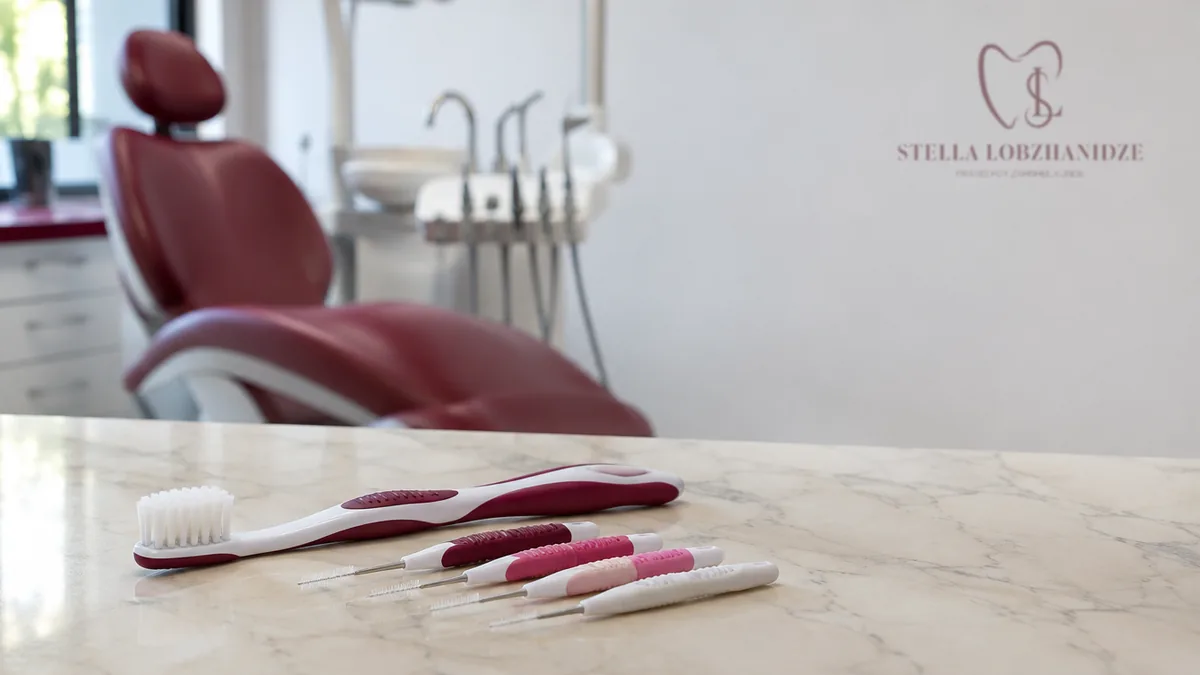
- Clean around the implant every day, for example with interdental brushes.
- Redness, swelling or bleeding around the implant are warning signs.
- Regular check-ups and professional cleaning are part of good implant care.
Why does an implant need good care?
An implant itself cannot get tooth decay. However, the gum around an implant is more sensitive than the gum around a natural tooth.
If plaque or tartar stays on the implant, the tissue can become inflamed. Over time, bone can be lost and the implant can become loose. Dentists call this peri-implantitis.
With good care and regular check-ups, implants can last a very long time, often for decades.
How should you brush if you have an implant?
You basically clean an implant the same way as your own teeth. These points help:
- Brush twice a day for about two minutes, once in the evening, with fluoride toothpaste.
- Use small circular or gentle jiggling movements over one or two teeth at a time and press only lightly.
- Always follow the same order so that you do not miss any areas.
- Take particular care to clean where the implant crown meets the gum.
- Replace your brush as soon as the bristles start to splay.
You can use a manual or an electric toothbrush. Ask the practice team to show you how to reach the implant well with it.
Do you need floss or interdental brushes?
Yes, cleaning between your teeth is part of your daily routine. Interdental brushes are especially recommended around implants. They work well for larger gaps between teeth.
Try not to bend the brush. Replace it after a week at the latest. The practice team can show you which size fits.
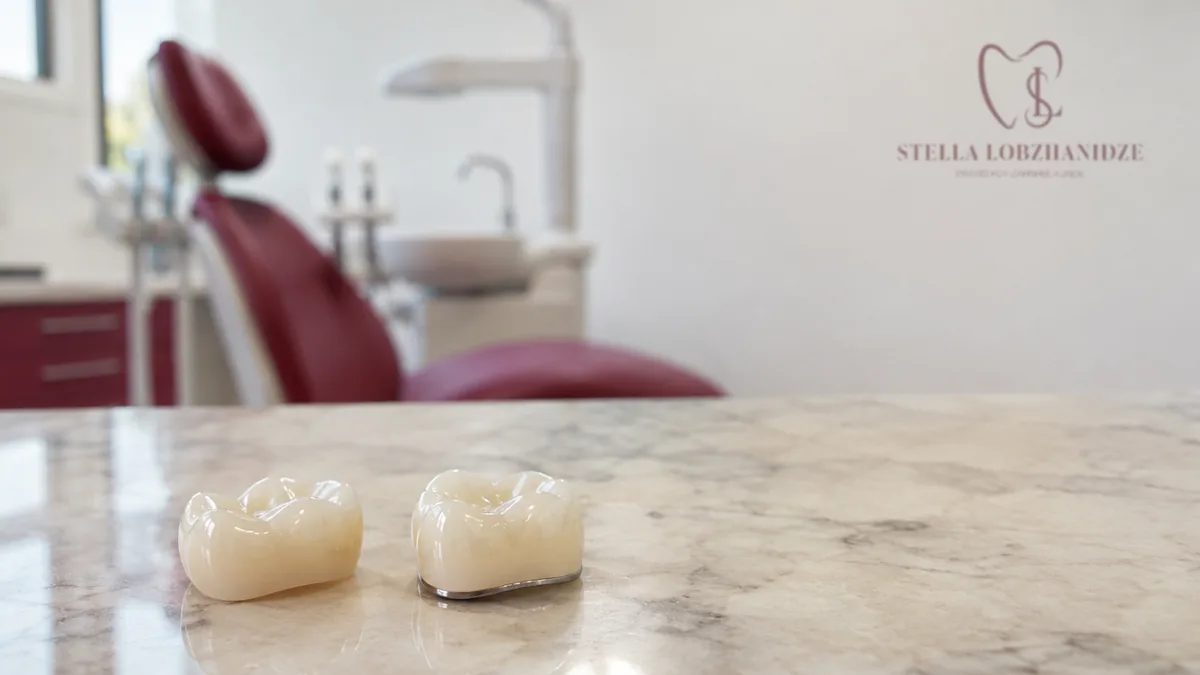
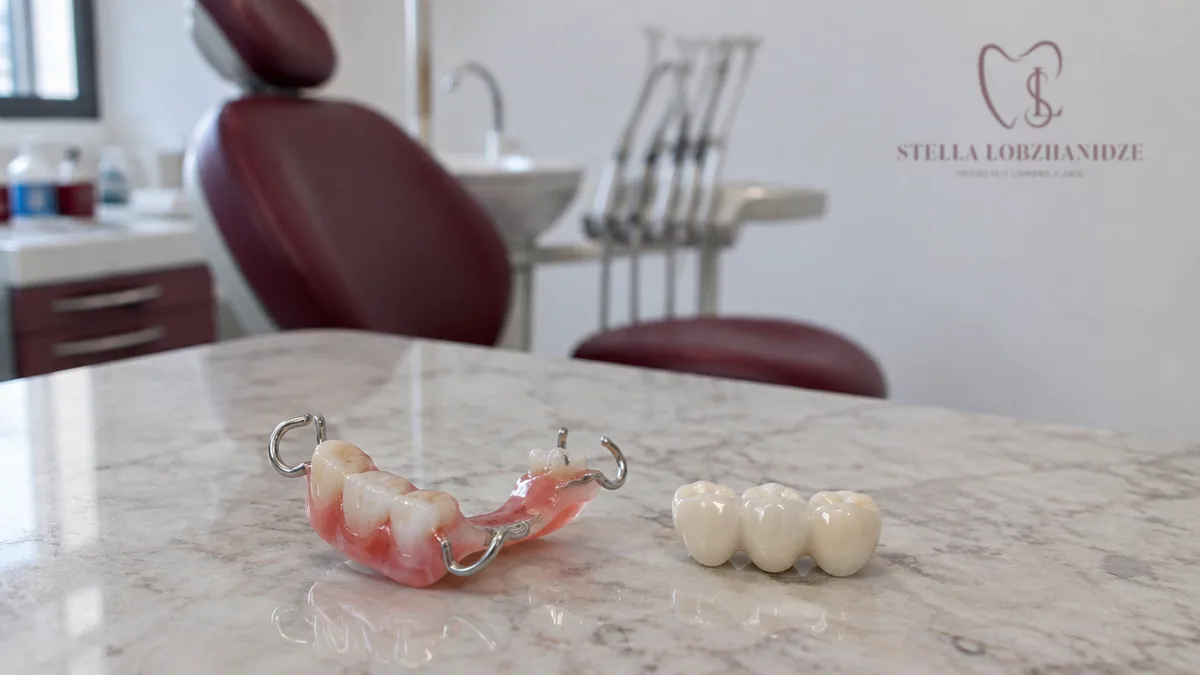
Fixed crowns and bridges on implants cannot be taken out. They are cleaned directly in the mouth.
A mouthwash can help if your dentist recommends one. It does not replace cleaning with a brush, though.
What applies in the first days after placement?
Right after the procedure, special rules apply. Some clinics advise not brushing the area for the first week and using an antibacterial mouthwash instead. Follow the instructions from your practice.
Mild pain, swelling and bruising are normal in the first few days and usually settle within a week.
If you smoke, try to stop, and for good. Smoking increases the risk of losing an implant later on.
How can you tell if an implant is inflamed?
Inflammation often starts without much notice. Look out for these signs:
- red, sore or swollen gum around the implant
- bleeding when you brush or clean between your teeth
- signs of infection
- an implant or crown that feels loose
The risk is higher for people who smoke, neglect oral hygiene, have had gum disease in the past or have poorly controlled diabetes. The earlier inflammation is treated, the better.
How often should you have your implant checked?
Implants need regular dental check-ups and aftercare. We generally recommend a check-up with professional teeth cleaning twice a year, or more often if your risk is higher.
During a hygiene appointment at our practice in 1120 Vienna-Meidling, we remove deposits even below the gum line and give you tips for cleaning at home. If you like, our recall service will remind you of your next appointment.
You can book appointments on +43 1 813 31 23 or online at stelladent.termin365.at.
Come to the practice if:
- the gum around the implant is red, swollen or sore
- it bleeds around the implant when you brush
- the implant or the crown on it feels loose
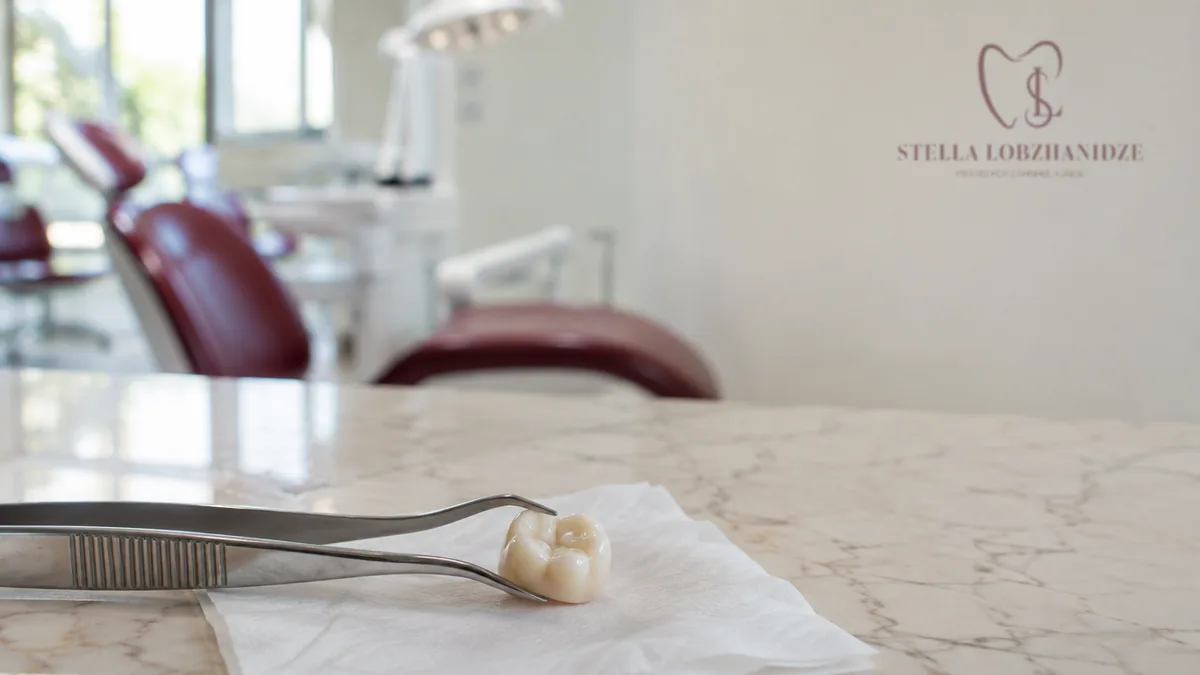
- a piece of porcelain has chipped off the crown
- you are unsure how to clean your implant properly
Book an appointment
Book online or give us a call.
Sources
- gesundheit.gv.at – Zahnimplantate
- Oral Health Foundation – Dental implants
- Bundeszahnärztekammer – Handbuch der Mundhygiene (2025)
- Leeds Teaching Hospitals NHS Trust – Dental implants
- Guy's and St Thomas' NHS Foundation Trust – After having a dental implant
- Österreichische Zahnärztekammer – Mundhygiene für zu Hause: 12 Tipps
- AWMF / DGI – S3-Leitlinie Behandlung periimplantärer Infektionen an Zahnimplantaten (2022)
This article is for general information only and does not replace a dental examination or advice.