How do you brush your teeth properly?
Brushing twice a day for two minutes with fluoride toothpaste and cleaning between your teeth once a day is the basis of caring for your teeth at home. What matters more than the type of toothbrush is reaching every surface gently and in a set order.
By Stela Lobzhanidze, dentist in Vienna-Meidling
Published · updated
Key points
- Brush at least twice a day for about two minutes, once of them last thing before bed.
- Angle the brush at the gumline and use gentle movements from the gum towards the tooth.
- Adults usually use a toothpaste with about 1,500 ppm fluoride; afterwards spit it out and do not rinse.
- Clean between your teeth once a day with interdental brushes or floss.
- Have regular check-ups, even if you have no symptoms.
Which brushing technique is recommended?
For teenagers and adults, gentle vibrating movements from the gum towards the tooth work well. This loosens plaque without pushing bacteria under the gum. The area where the tooth meets the gum needs particular attention.
- Place the brush head at an angle of about 45 degrees against the gumline.
- Start with the outer surfaces and brush with gentle vibrating movements from the gum towards the tooth.
- Clean the inner surfaces in the same way.
- Finally, brush the biting surfaces with back-and-forth movements.
Follow the same order every time so that you do not miss any surface. Do not press hard. Brushing too hard or for too long can damage tooth enamel and injure the gums.
How often and how long should you brush?
Brush at least twice a day, ideally after breakfast and last thing before bed. Brushing at night is particularly important.
Each time, brush for at least two minutes, whether you use a manual or an electric toothbrush. Depending on the state of your teeth and gums, your dentist may recommend a different length of time.
Which toothbrush and toothpaste should you use?
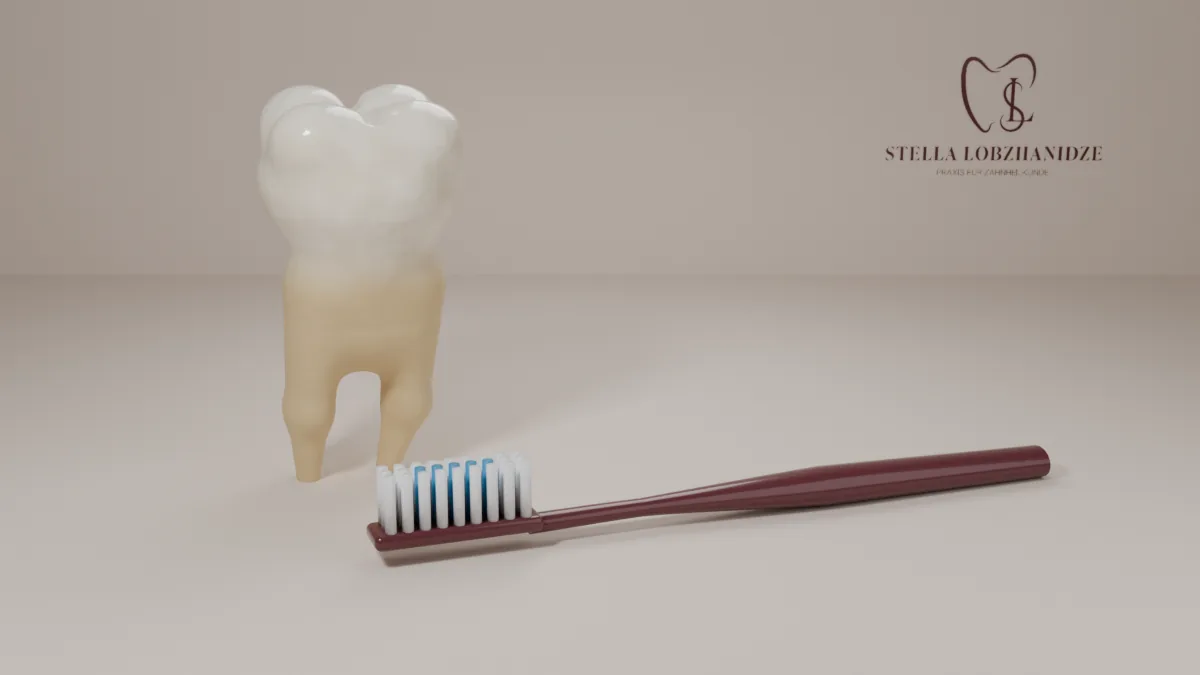
Manual and electric toothbrushes clean equally well if your technique is right. Which one you use is a matter of preference. The most important thing about toothpaste is that it contains fluoride.
- For most adults, a small brush head with soft to medium, rounded nylon bristles is suitable.
- If you have gum problems, soft bristles are often the better choice.
- Replace your toothbrush at least every two to three months, and straight away after an illness. Worn bristles clean poorly and can injure the gums.
- Toothpaste for adults usually contains about 1,500 ppm fluoride. A pea-sized amount is enough.
- For children up to and including six years old, there is children's toothpaste with less fluoride (1,000 ppm).
- After brushing, spit out the toothpaste but do not rinse with water. This keeps the fluoride on your teeth for longer.
Fluoride hardens tooth enamel and makes it more resistant to acid. It can also help repair early tooth decay.
How do you clean between your teeth?
A toothbrush cannot reach between your teeth, yet food easily gets trapped there. Clean these spaces once a day, ideally before brushing.
- Interdental brushes come in different sizes. They are the first choice for most gaps between teeth.
- They are particularly suitable for wider gaps, bridges, implants or gum disease (periodontitis).
- Use floss where teeth are so close together that no interdental brush will fit.
- Wooden toothpicks are not advised, as they can damage your gums.
At a hygiene appointment in our practice, we can show you which brush size suits you. You will also see where plaque builds up most easily in your mouth.
What about your tongue and mouthwash?
Bacteria can settle on the tongue and form a coating. This can cause bad breath. Clean your tongue with a tongue scraper or tongue brush. Then rinse your mouth with water and rinse the tongue cleaner under running water.
Mouthwash is an addition to brushing. If you have a higher risk of tooth decay, a fluoride mouthwash can be useful. It is best to discuss whether this applies to you at your check-up.
What protects your teeth between brushing?
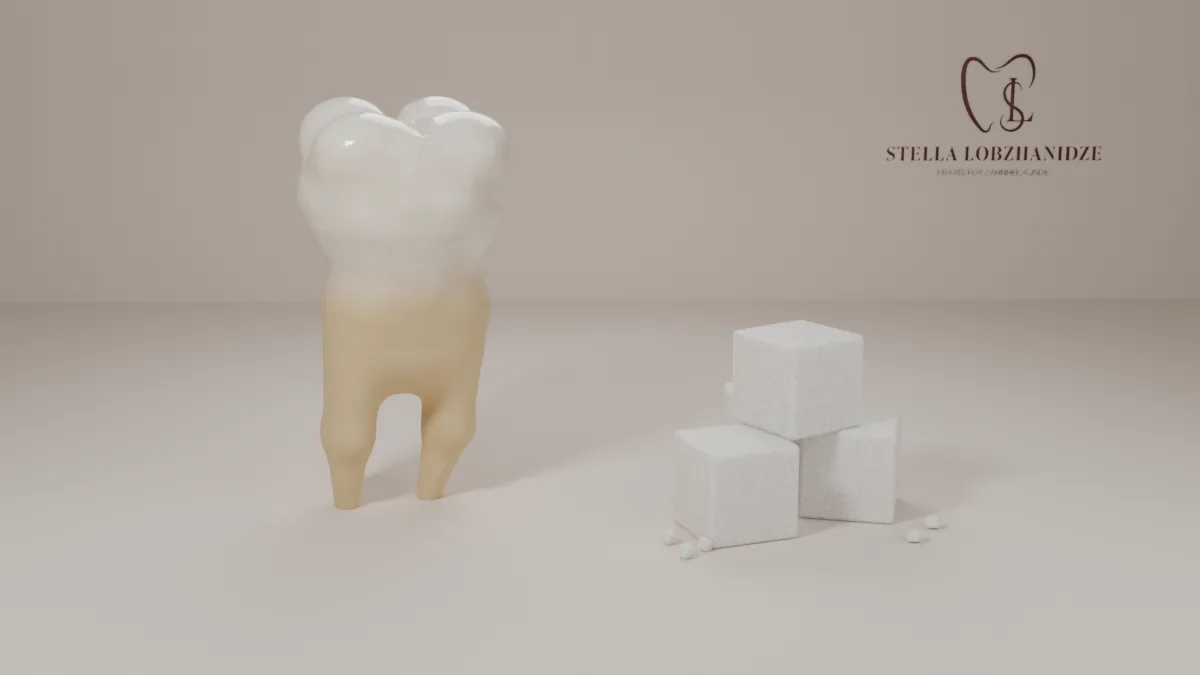
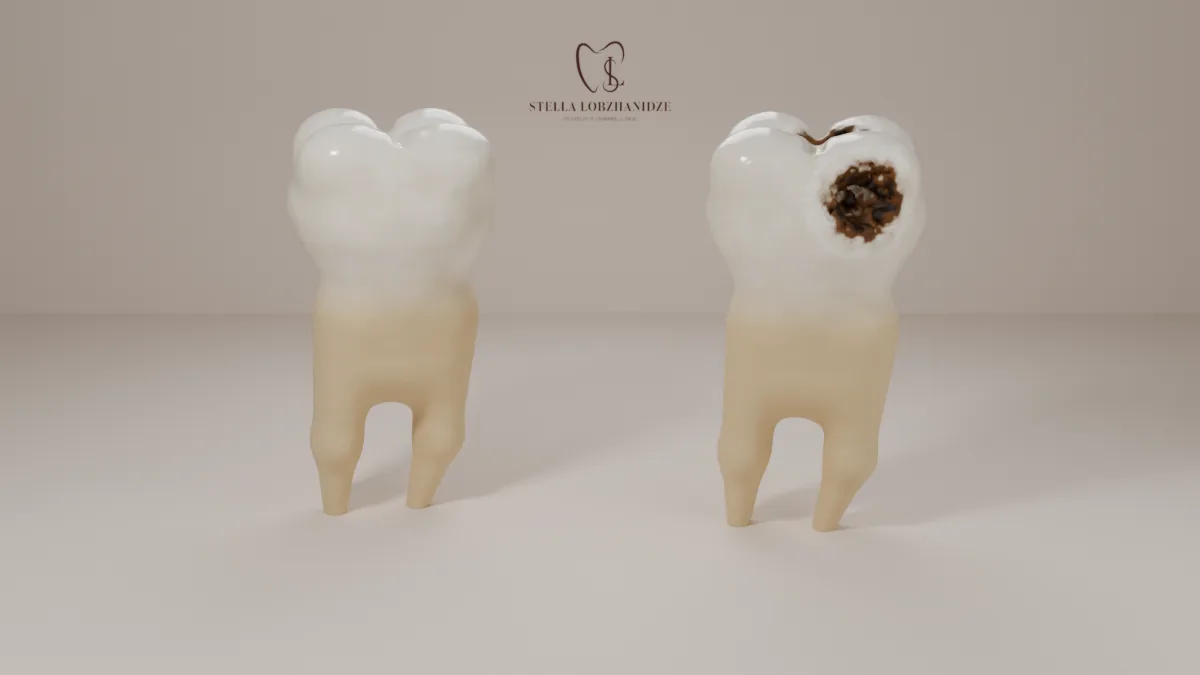
Many bacteria in the mouth turn sugar into acid, and this acid attacks tooth enamel. Having sugary food and drinks less often protects your teeth.
Acidic drinks such as fruit juice or fizzy drinks attack enamel directly. This is especially true if you sip them throughout the day.
If you cannot brush after eating, sugar-free chewing gum or at least rinsing with water helps.
How often should you have a check-up?
Have regular dental check-ups, even if you have no symptoms. Your dentist will recommend how often.
At our practice we usually recommend a check-up and professional teeth cleaning twice a year, and more often if you have a higher risk of tooth decay or gum disease. Professional cleaning complements your care at home but does not replace it.
If you wish, our recall service will remind you of your next appointment by text message.
Come to the practice if:
- Your gums bleed when you brush or eat hard foods
- Your gums are swollen, red or painful
- You have persistent bad breath
- Your teeth are becoming loose
- Your child has sore or bleeding gums
Book an appointment
Book online or give us a call.
Sources
- gesundheit.gv.at – Zahngesundheit (dental health, in German)
- gesund.bund.de – Mundhygiene und Zahnvorsorge (oral hygiene, in German)
- NHS – How to keep your teeth clean
- NHS – Gum disease
This article is for general information only and does not replace a dental examination or advice.