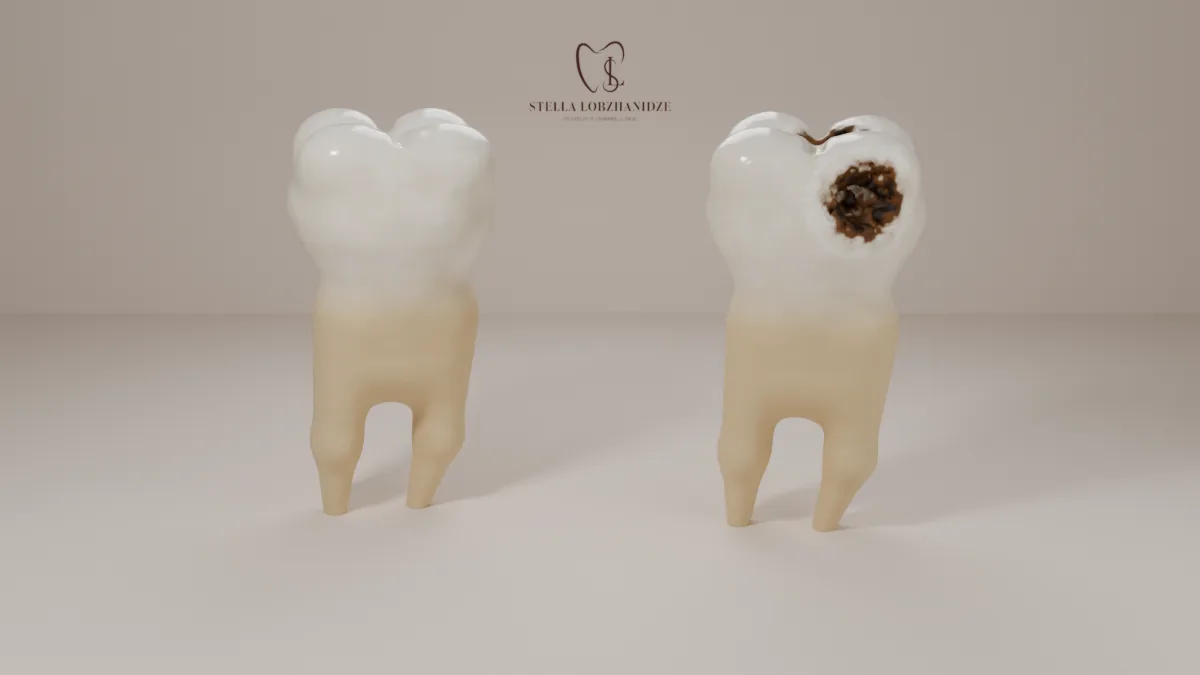
Which fillings are available after the amalgam ban?
Since 1 January 2025, amalgam can generally no longer be used for fillings in the EU. Intact amalgam fillings do not need to be replaced. For new fillings, there are several materials, such as composite, glass ionomer cement or ceramic inlays.
By Stela Lobzhanidze, dentist in Vienna-Meidling
Published
Key points
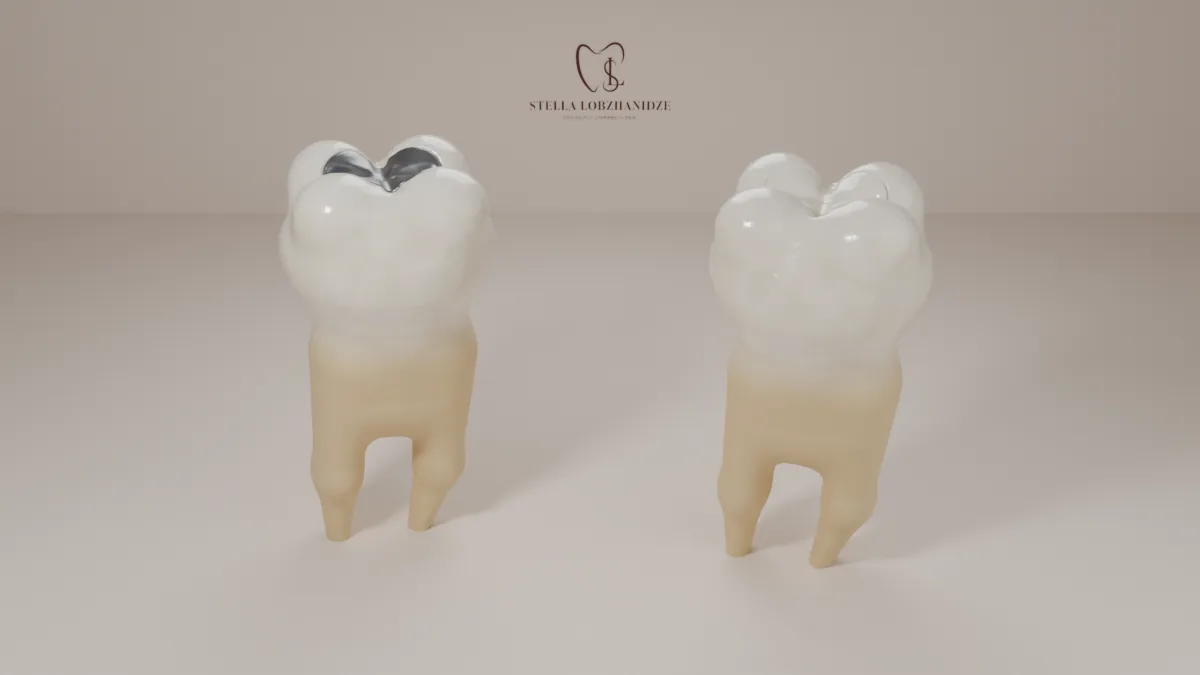
- Since 1 January 2025, amalgam may only be used if the dentist considers it strictly necessary for medical reasons.
- Intact amalgam fillings can stay, because removing them can release mercury.
- Common alternatives are composite, glass ionomer cement and inlays made of ceramic or gold.
- In Austria, which amalgam-free filling your health insurance fund pays for depends on the insurer.
What has applied since the amalgam ban?
Regulation (EU) 2024/1849 changed the EU rules on mercury. Since 1 January 2025, dental amalgam may no longer be used for dental treatment in the EU.
There is one exception: a dentist may still use amalgam if they consider it strictly necessary because of the patient's specific medical needs.
The reason given for the ban is environmental protection, as mercury is a global environmental problem. According to the regulation, mercury-free alternatives are now technically feasible and readily available.
Do old amalgam fillings have to be removed?
No. The ban only applies to new fillings. According to the German health insurer BARMER, existing intact amalgam fillings are not affected.
Intact fillings should not be removed without a reason, because replacing them can release mercury.
Your dentist can see at your regular check-up whether an old filling is still in good condition.
Which fillings can be used instead of amalgam?
Which material is right depends, among other things, on how large the cavity is and where the tooth is. These materials are common:
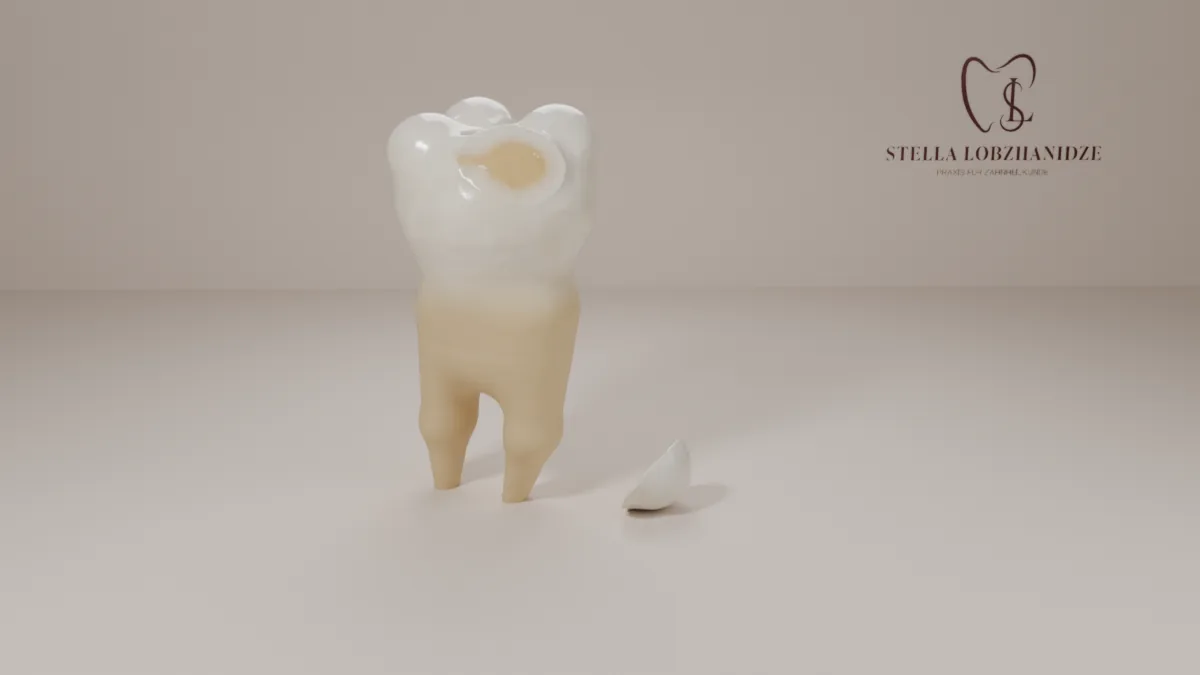
- Composite: a tooth-coloured resin that is placed in layers and hardened. It is durable and also suitable for back teeth.
- Glass ionomer cement: matt white, bonds well to the tooth and slowly releases fluoride. It is mainly used for small to medium-sized defects in back teeth or at the neck of the tooth.
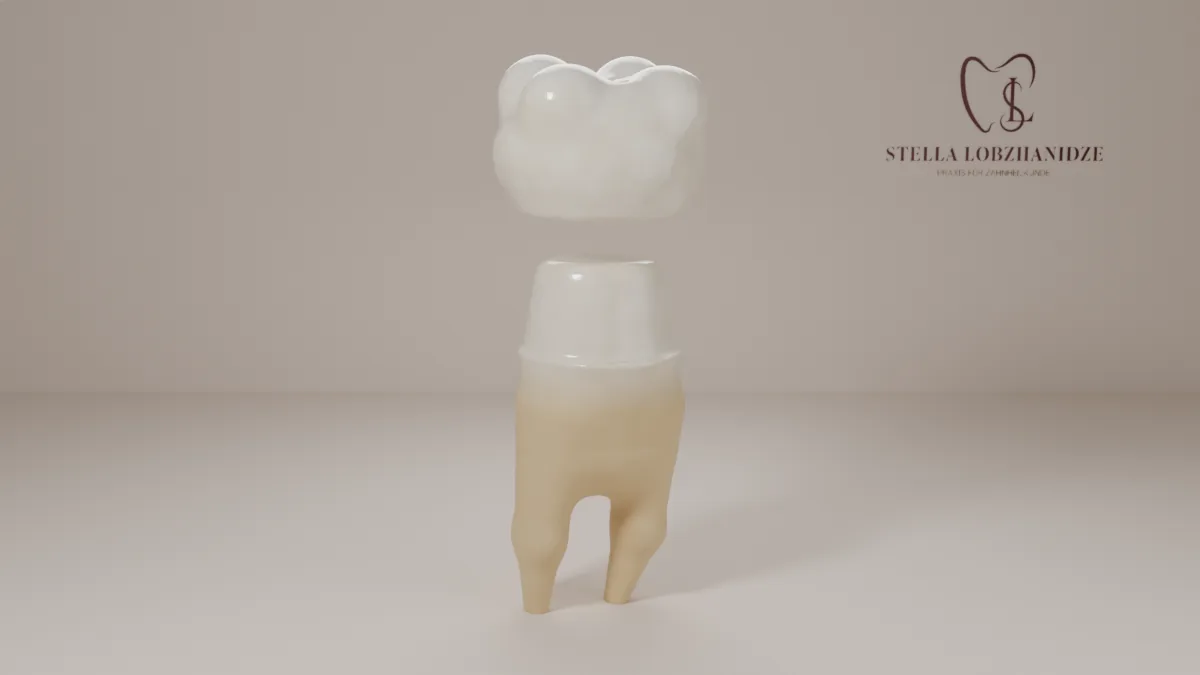
- Ceramic inlay: made to fit precisely from an impression. Ceramic is hard-wearing and withstands the chewing pressure on back teeth.
- Gold inlay: well tolerated, precisely fitting and strong.
According to BARMER, ceramic inlays last eight to ten years on average, and gold inlays 15 years or more.
At our practice, ceramic inlays are made in a dental laboratory. This takes two appointments.
What does health insurance pay for in Austria?
The fees for amalgam-free fillings are agreed between the Austrian Dental Chamber and each health insurance fund. The rules therefore differ from fund to fund.
According to the Austrian Dental Chamber, glass ionomer cements and alkasites have been covered filling materials for people insured with KFA Wien since 1 April 2025. Composite in back teeth remains a private service there.
There is also a fee agreement with BVAEB. According to the Carinthian Dental Chamber, an agreement with ÖGK (Austrian Health Insurance Fund) was still pending at the end of 2025.
Your health insurance fund can tell you what currently applies to you.
How is billing handled at our practice?
Stella Dent is a private practice (Wahlarzt). We bill SVS and KFA directly.
With other funds, you first pay the invoice yourself and then submit it to your fund. According to gesundheit.gv.at, you will then be reimbursed 80 per cent of the amount your fund would have paid a contracted dentist for the same treatment.
Before any treatment, we provide a cost estimate. This way you know in advance which material is planned and what it will cost.
Come to the practice if:
- a filling has broken, cracked or feels rough
- a filled tooth is sensitive to cold, heat or sweet things
- a filled tooth hurts
- you are unsure whether an old amalgam filling is still in good condition
- you need a new filling and would like to discuss the materials
Book an appointment
Book online or give us a call.
Sources
- EUR-Lex – Regulation (EU) 2024/1849 amending Regulation (EU) 2017/852 on mercury (German version)
- BARMER – Zahnfüllung: Welche ist die richtige? (in German)
- Austrian Dental Chamber – Agreement with KFA Wien on amalgam-replacement fillings and oral hygiene (in German)
- Carinthian Dental Chamber – President's letter of 22 December 2025 (in German)
- gesundheit.gv.at – Was zahlt die Sozialversicherung? (in German)
This article is for general information only and does not replace a dental examination or advice.