Teeth and sport: how a mouthguard prevents dental injuries
A mouthguard protects your teeth during sport, especially in contact and combat sports. A custom-made mouthguard fits best, but any mouthguard is better than none. If a tooth is knocked out anyway, time matters: hold it only by the crown, keep it moist and go to a dental practice straight away.
By Stela Lobzhanidze, dentist in Vienna-Meidling
Published
Key points
- About one in three children has a dental injury by the age of 16, most often to the upper front teeth.
- A sports mouthguard is recommended for contact sports such as boxing or hockey.
- A custom-made mouthguard fits best, while ready-made ones often fit poorly.
- With fixed braces, a well-fitting mouthguard protects teeth, brackets and lips.
- Put a knocked-out tooth into a tooth rescue box or cold UHT milk within about 30 minutes.
Which sports put your teeth most at risk?
Dental injuries are more common than many people think. About one in three children has a dental injury by the age of 16. The upper front teeth are hit most often.
Contact and combat sports such as boxing, as well as hockey, carry a high risk. But injuries also happen without body contact, for example in gymnastics or skating. For cycling, mountain biking, inline skating and skateboarding, a helmet with a chin guard is recommended.
Which mouthguard protects your teeth best during sport?
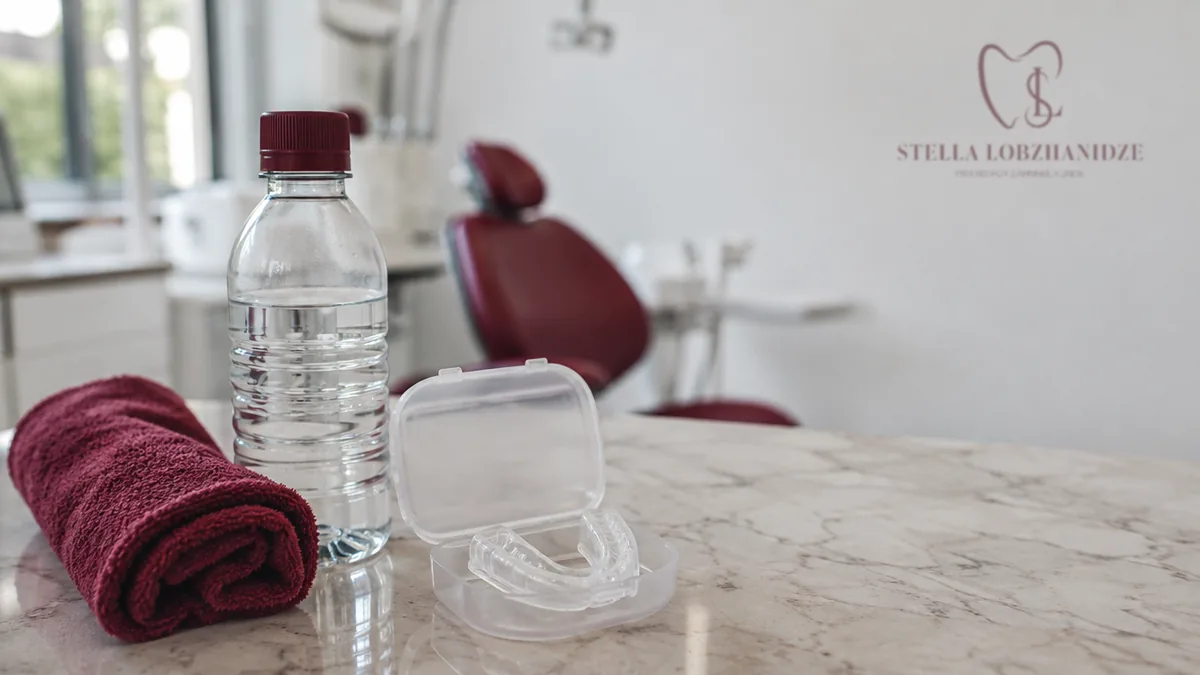
A sports mouthguard is a tray that you place over your teeth. There are three types:
- Ready-made (stock) mouthguards: ready to use straight away, but they often fit poorly. They can be bulky and make breathing and talking harder.
- Boil-and-bite mouthguards: softened in hot water and then shaped to your teeth in the mouth. Follow the instructions carefully. They usually fit better than stock guards.
- Custom-made mouthguards: made from an impression of your teeth, so they fit best and are the most comfortable.
Any mouthguard is better than none. Your dentist can tell you whether a custom-made mouthguard is worthwhile for your sport.
Do braces protect your teeth during sport?
No. Fixed braces do not protect the teeth, and a blow to the face can damage brackets and wires. A well-fitting mouthguard is therefore especially important with fixed braces, and also with fixed bridges. It also protects your lips and cheeks from cuts on the brackets.
If you have brackets on your lower teeth too, ask at the practice whether you also need a lower mouthguard. Removable braces or retainers should not be worn during contact sports.
How do you look after a mouthguard?
A clean, dry mouthguard lasts longer and collects fewer bacteria:
- Rinse it before and after each use, or brush it with a toothbrush and toothpaste.
- Clean it regularly in cool, soapy water and rinse it well.
- Keep it in a sturdy case with air holes so it can dry.
- Keep it away from sunlight and hot water.
- Bring it with you to your check-ups.
Replace the mouthguard if it is worn, damaged or no longer fits well. Children and teenagers need a new one more often because their jaws and teeth are still changing.
What should you do if a tooth is knocked out during sport?
A knocked-out permanent tooth can often be saved if you act quickly and correctly:
- Hold the tooth only by the crown, never by the root.
- Do not rinse it under tap water and do not disinfect it.
- If it goes back in easily, gently push it into the socket and bite on a clean cloth.
- Otherwise put it into a tooth rescue box within about 30 minutes. Without a box, cold UHT milk or saline solution will do, but water will not.
- Go to a dental practice straight away, even if the tooth has not been found.
Keep any broken pieces moist and bring them along too. A knocked-out baby tooth is not put back, because it could damage the permanent tooth underneath.
Have every dental injury checked by a dentist, even if you see no damage, because the root may still be broken. Also check your tetanus vaccination. Tooth rescue boxes are available at pharmacies and should be kept at sports clubs, schools and gyms.
Where can you get help in Vienna after a dental injury?
At our practice in 1120 Vienna-Meidling we keep emergency appointments free every day for acute problems, including after a dental injury. Please call us first on +43 1 813 31 23.
Outside opening hours, including at weekends, you can reach the dental emergency service in Vienna on +43 1 512 20 78. If a head injury is suspected, call the ambulance on 144.
To prevent problems, we recommend a check-up and clean twice a year. At these appointments your dentist can also look at your mouthguard and talk with you about which type suits your sport.
Come to the practice if:
- you took a blow to the teeth during sport, even if there is no visible damage
- a tooth is chipped, loose or has moved
- your mouthguard no longer fits well or is damaged
- brackets or wires of your braces were damaged in an accident
See a dentist or the emergency service straight away if:
- a permanent tooth has been knocked out completely
- you have a severe headache, nausea or vomiting after the accident
Outside opening hours, you can reach the dental emergency service on +43 1 512 20 78
Book an appointment
Book online or give us a call.
Sources
- American Dental Association, MouthHealthy – Mouthguards
- NHS – Knocked-out tooth
- Land Tirol, avomed – Erste Hilfe bei Zahnunfällen
- Bundeszahnärztekammer – Frontzahntrauma
- Stadt Graz, Schulzahnambulatorium – Zahnunfall: Was tun?
This article is for general information only and does not replace a dental examination or advice.