How does tooth decay develop and how can you prevent it?
Tooth decay starts when bacteria in plaque break down sugar and produce acids that attack tooth enamel. Brushing twice a day with fluoride toothpaste, keeping sugar down and having regular check-ups lower the risk. If it is found early, decay can often be treated without drilling.
By Stela Lobzhanidze, dentist in Vienna-Meidling
Published · updated
Key points
- Tooth decay is caused by acids that bacteria in plaque make from sugar.
- Brush at least twice a day with fluoride toothpaste and clean between your teeth every day.
- Having sugary food and drinks less often lowers your risk of decay.
- Check-ups find decay early, often before it causes any symptoms.
- In children, fissure sealants protect the biting surfaces of the permanent back teeth.
How does tooth decay develop?
A sticky film of bacteria called plaque forms on your teeth. The bacteria feed on sugar and release acids.
These acids attack the enamel first. If plaque is not removed regularly and sugar is added often, the tooth surface is gradually damaged.
According to the Austrian health portal, tooth decay is the most common dental disease. Left untreated, it can reach the nerve, cause pain and infection, and lead to losing the tooth.
The risk is higher with:
- brushing rarely or not thoroughly
- frequent sugar, including in drinks such as fizzy drinks and fruit juice
- baby teeth and newly erupted permanent teeth, whose enamel is more sensitive
- exposed tooth necks in older age, where root decay can develop
How can you tell if you have tooth decay?
Tooth decay often causes no symptoms at first. Over time, you may notice these signs:
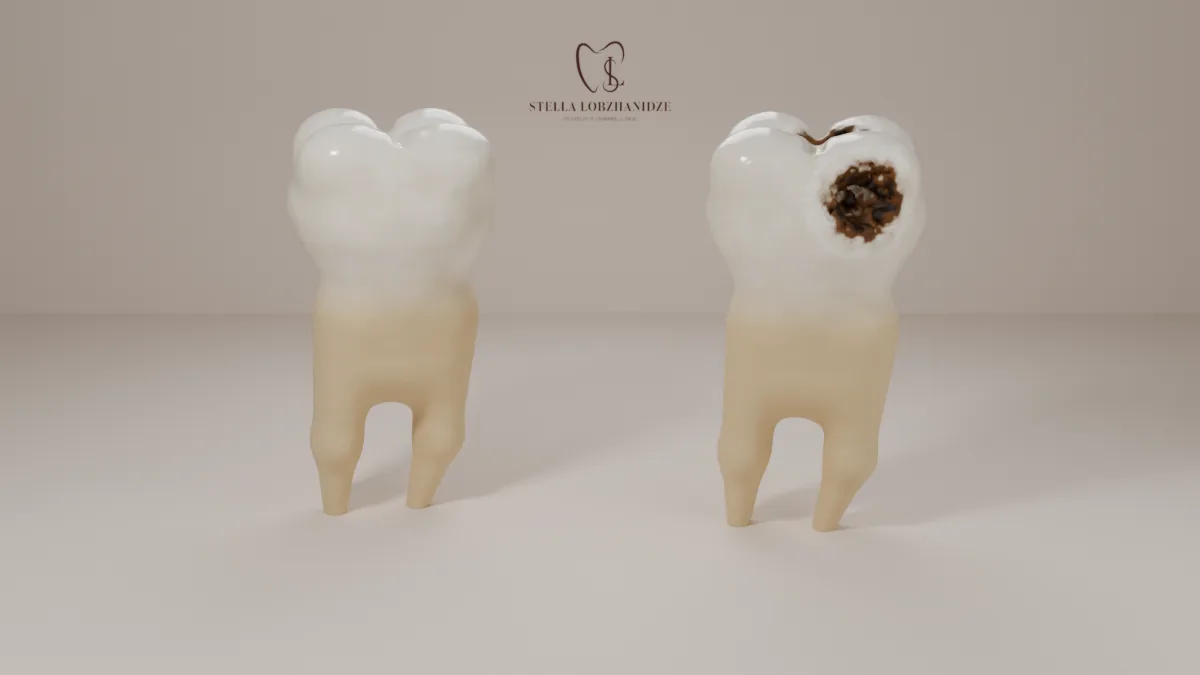
- white, brown or dark spots on a tooth
- later, a hole in the tooth surface
- a sharp pain with cold, hot or sweet things
- toothache
White or brown spots are often the first visible sign. If decay is found at this stage, fluoride can help minerals return to the enamel.
How should you brush to prevent tooth decay?
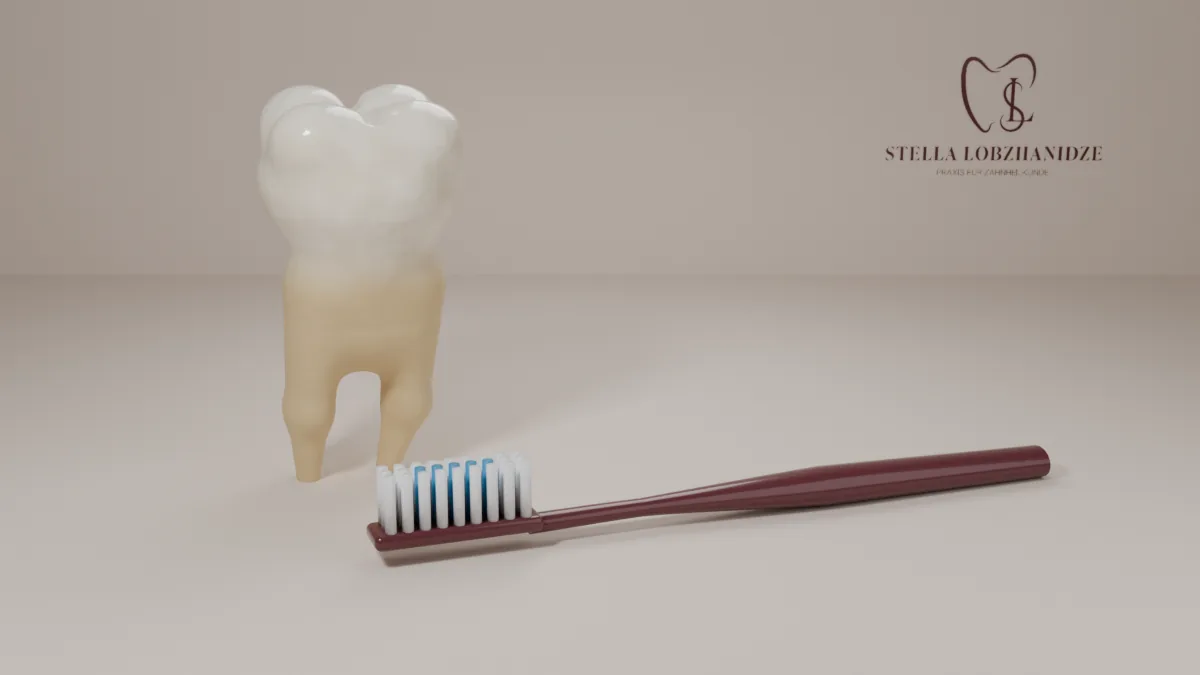
Regular brushing removes plaque and its bacteria. Fluoride in toothpaste strengthens enamel and so protects against decay.
- Brush at least twice a day with fluoride toothpaste.
- Spit out the toothpaste afterwards, but do not rinse with water. This helps the fluoride work better.
- Clean between your teeth once a day with floss or interdental brushes.
We are happy to show you which tools suit the gaps between your teeth during your hygiene appointment at our practice.
What role does sugar play?
The bacteria in plaque make their acids from sugar. Cutting down on sugary food and drinks therefore lowers your risk of decay.
Sugar is found in sweets, but also in fizzy drinks, fruit juice and ketchup. Having sugary food or drinks often throughout the day is particularly harmful.
For toddlers, sugary drinks in a bottle put baby teeth at risk. Where possible, choose sugar-free medicines.
Why are regular check-ups important?
At a dental check-up, decay can be found and treated early. A careful look is usually enough, and sometimes an X-ray is also needed.
Early decay can often be treated without drilling, for example with fluoride gel or fluoride varnish. If a hole has already formed, the tooth usually needs a filling.
How often you should come for a check-up depends on your risk of decay. We will discuss this with you at your examination.
Our practice offers professional fluoride treatment: with a gel tray for teenagers and adults, and as fluoride varnish for children.
How can you protect your child's teeth?
Baby teeth have more sensitive enamel than permanent teeth. So brush twice a day with fluoride toothpaste from the first baby tooth. The amount depends on age:
- from the first baby tooth: a pea-sized amount of baby toothpaste with 500 ppm fluoride, or a rice-grain-sized amount of children's toothpaste with 1,000 ppm
- from the second birthday: a pea-sized amount of children's toothpaste with 1,000 ppm
- from primary school: junior toothpaste with 1,400 to 1,500 ppm, or adult toothpaste
Stick to these amounts, as children should not take in too much fluoride.
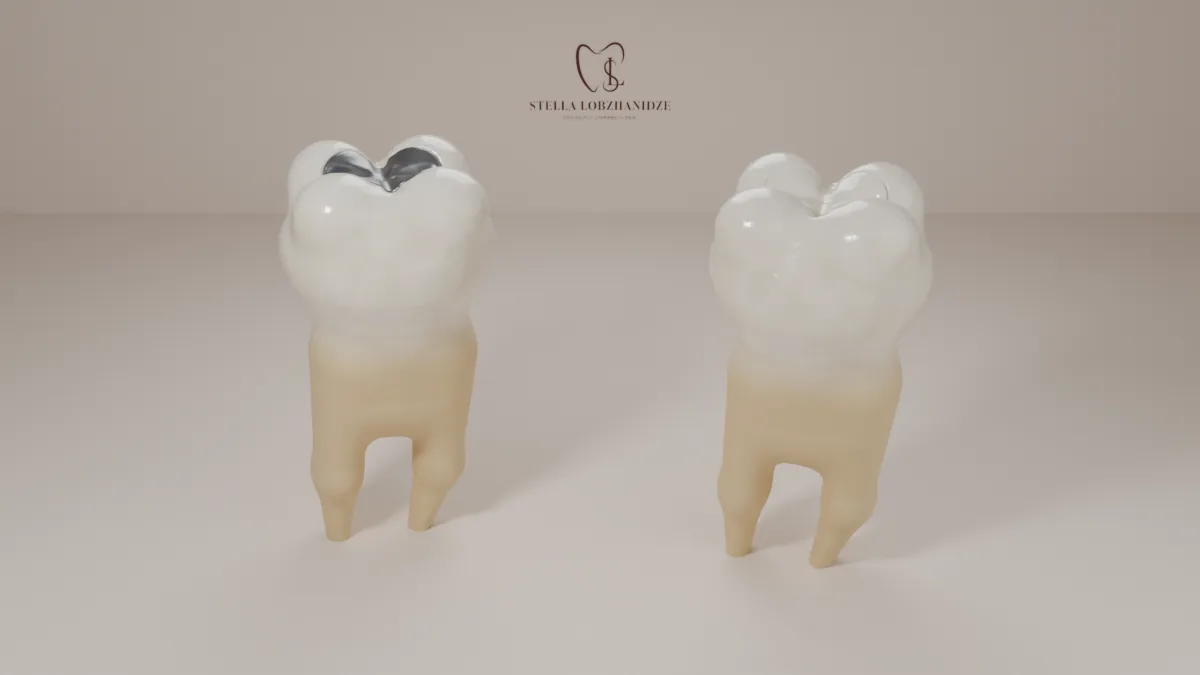
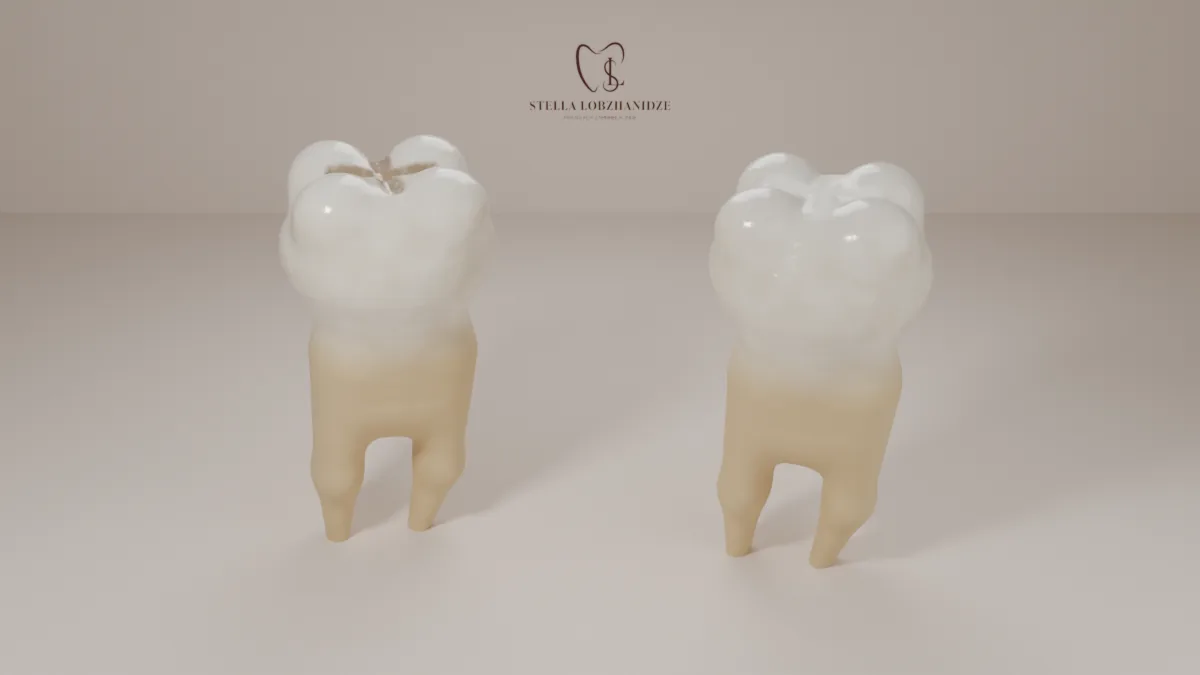
The biting surfaces of the back teeth have fine grooves called fissures. Food and bacteria easily get stuck there. A fissure sealant covers the biting surface with a thin plastic coating.
This is worth doing once the permanent back teeth come through, usually at around 6 to 7 years and again between 11 and 14. According to the NHS, the sealant lasts up to four years.
We offer fissure sealants at our practice and check them at regular appointments. They only protect the biting surfaces, so daily brushing is still important.
Come to the practice if:
- You notice spots or a hole in a tooth
- A tooth hurts with cold, hot or sweet things
- You have toothache
- Your gums are painful, swollen or bleed when you brush
- Your cheek or jaw is swollen, possibly with a fever (please contact us promptly)
- It has been a while since your last check-up
See a dentist or the emergency service straight away if:
- You find it hard to breathe, speak or swallow
- There is a lot of swelling in your mouth
- An eye is swollen or painful, or your eyesight suddenly gets worse
- You can hardly open your mouth
Outside opening hours, you can reach the dental emergency service on +43 1 512 20 78
Book an appointment
Book online or give us a call.
Sources
- Österreichisches Gesundheitsportal (gesundheit.gv.at) – Karies
- gesund.bund.de – Karies: Ursachen, Vorbeugung und Behandlung
- NHS – Tooth decay
- NHS – Children's teeth
- NHS – Dental abscess
This article is for general information only and does not replace a dental examination or advice.