What harms your teeth day to day, and what protects them?
Healthy teeth depend on more than brushing. What you eat and drink, whether you smoke and how often you go for check-ups all play a part. Brushing technique is covered in a separate article.
By Stela Lobzhanidze, dentist in Vienna-Meidling
Published · updated

Key points
- Bacteria in your mouth turn sugar into acid, which attacks tooth enamel.
- Acidic drinks such as fruit juice and soft drinks do most harm when you sip them throughout the day.
- Tobacco is a major risk factor for gum disease, and tobacco and alcohol are among the leading causes of mouth cancer.
- Regular check-ups help spot problems early, even if you have no symptoms.
- Problems in the mouth are linked to other conditions, such as diabetes.
Why is sugar bad for your teeth?
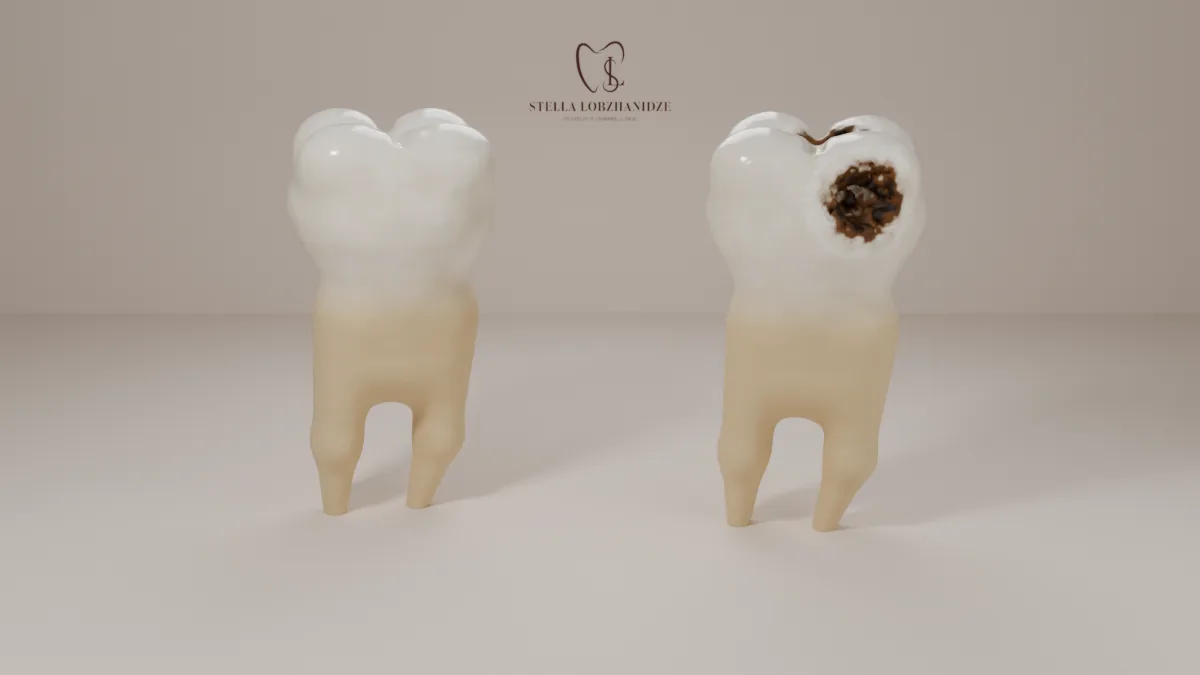
Many bacteria in the mouth turn sugar into acid. This acid damages tooth enamel and can lead to tooth decay.
Cutting down on sugary food lowers your risk of decay. Sweets and fizzy drinks contain a lot of sugar, but so do fruit juice and ketchup. The World Health Organization (WHO) recommends:
- little free sugar
- plenty of fruit and vegetables
- water as your main drink
According to the WHO, a high sugar intake is also linked to diabetes and obesity.
What part do acidic drinks play?
Acidic drinks such as fruit juice and soft drinks attack tooth enamel directly.
It is particularly harmful to sip them in small amounts throughout the day. Water is the better choice between meals.
What do smoking and alcohol do to your mouth?
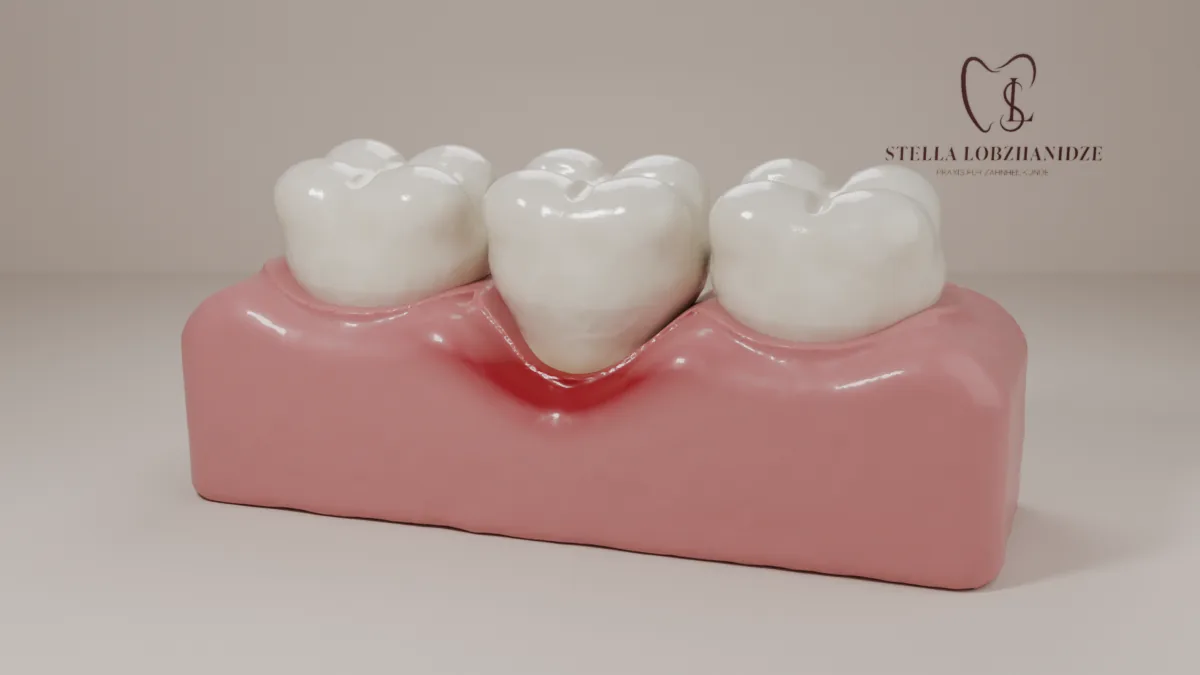
According to the WHO, tobacco is the main risk factor for gum disease alongside poor oral hygiene. Tobacco and alcohol are also among the leading causes of mouth cancer.
The NHS therefore advises not to smoke and to limit alcohol. If you have gum problems and smoke, advice to stop is part of the treatment.
How often should you have a check-up?
Regular check-ups mean tooth decay can be found and treated early. Problems found early are often easier to treat.
Come even if you have no symptoms, and do not put check-ups off. How often you need one depends on your personal risk and is discussed with you at the practice.
At our practice we recommend two check-ups a year. If you have a higher risk of tooth decay or have gum disease (periodontitis), it may be more often.
What does professional teeth cleaning do?
During professional teeth cleaning, plaque is thoroughly removed from the teeth and the spaces between them. The teeth are then polished and given fluoride.
If you have early gum problems, your dentist may recommend this kind of cleaning. It is not covered by public health insurance, but many health insurance funds contribute towards the cost.
For how to brush properly at home, see our article with tips on caring for your teeth.
How are your teeth linked to your general health?
Sugar, tobacco and alcohol do not only harm your teeth. According to the WHO, they are the same risk factors as for heart and circulatory disease, cancer, chronic lung disease and diabetes.
Diabetes and gum disease affect each other. People with type 2 diabetes, like pregnant women, should go for check-ups regularly.
There is also some evidence that conditions in the mouth may contribute to heart and circulatory disease, diabetes and lung diseases such as COPD.
Come to the practice if:
- your gums bleed when you brush or eat hard foods
- your gums are swollen or painful
- you have bad breath
- a tooth is loose
- you notice a sore, a red patch or a lump in your mouth or on your lip
- your last check-up was more than two years ago
Book an appointment
Book online or give us a call.
Sources
- Austrian health portal gesundheit.gv.at – Karies (tooth decay)
- gesund.bund.de – Mundhygiene und Zahnvorsorge (oral hygiene and dental check-ups)
- WHO – Oral health (fact sheet)
- NHS – Gum disease
- NHS – Take care of your teeth and gums
This article is for general information only and does not replace a dental examination or advice.