What helps with sensitive teeth?
Sensitive teeth react to cold, hot, sweet or acidic things with a short, sharp pain. Usually the dentine underneath the enamel has become exposed, for example through receding gums or acid. Brushing gently and using a toothpaste for sensitive teeth can help. If the sensitivity does not go away, the cause should be checked at the practice.
By Stela Lobzhanidze, dentist in Vienna-Meidling
Published
Key points
- Sensitivity usually develops when the enamel is worn or the gums recede and the dentine is exposed.
- Common triggers are brushing too hard, acidic drinks, teeth grinding and gum disease.
- Tooth decay, a cracked tooth or a damaged filling can also be behind it.
- A soft toothbrush, gentle brushing and a toothpaste for sensitive teeth can ease the symptoms.
- If only one tooth is affected, the pain comes on suddenly or it lasts for several weeks, you should come to the practice.
What do sensitive teeth feel like?
Typically there is a short, sharp pain, sometimes a longer-lasting ache. It happens when something irritates the tooth. Common triggers are:
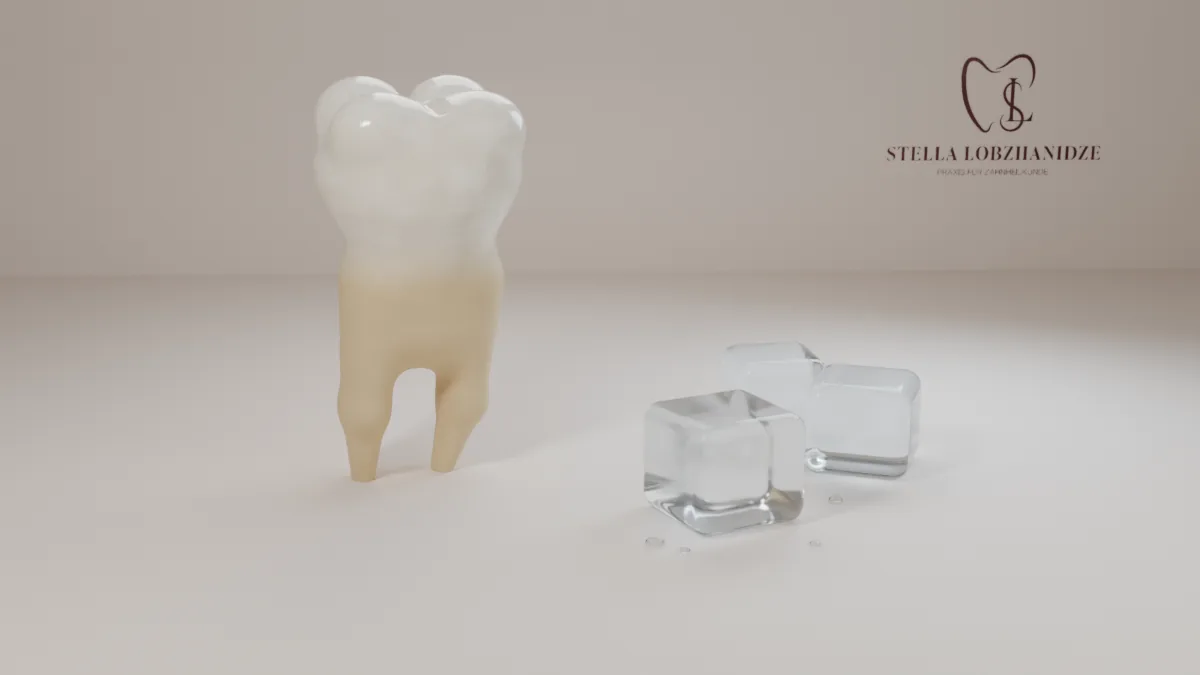
- cold food and drinks
- hot food and drinks
- sweet and acidic things
- cold air
- touch, for example from a toothbrush
The reason lies in how a tooth is built. On the outside, enamel protects it. Underneath is the dentine, which has tiny channels leading to the nerve of the tooth.
If the enamel is worn or the gums have receded, the dentine is exposed. Stimuli then reach the nerve more easily.
What are the causes?
Common causes include:
- brushing too hard or using a hard toothbrush
- receding gums, which expose the necks of the teeth
- acid from fizzy drinks, fruit juices, citrus fruit or the stomach
- brushing straight after acidic food or drinks
- gum disease
- grinding or clenching your teeth
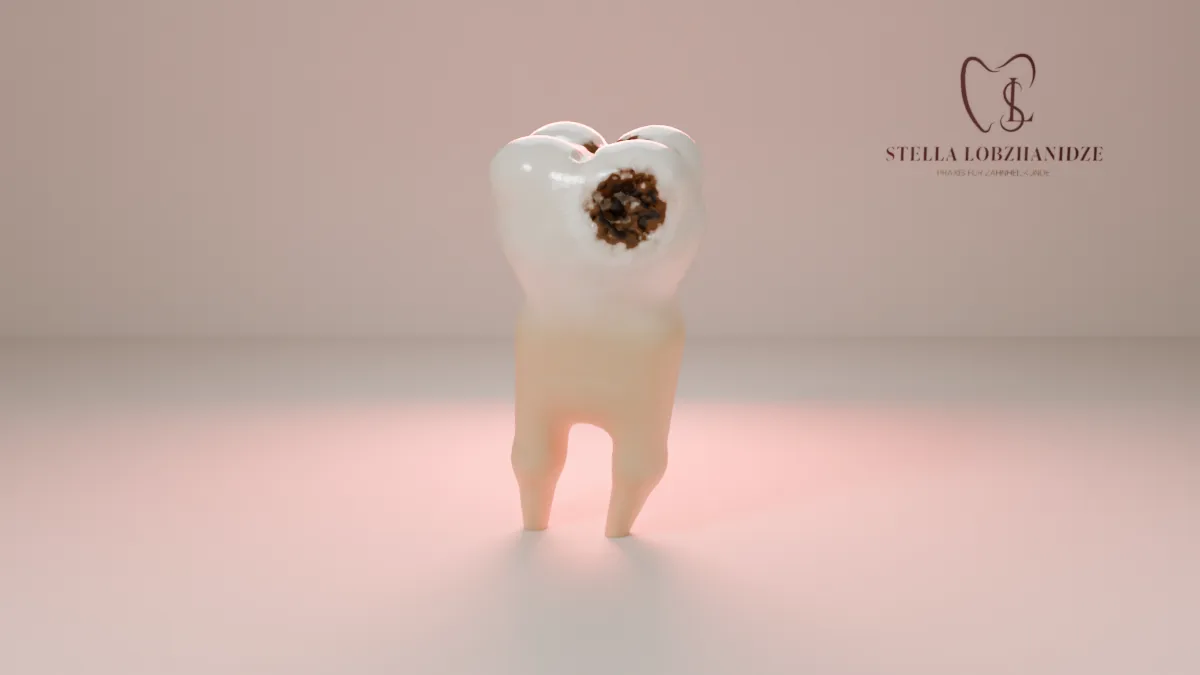
A cracked tooth, tooth decay or a filling that is breaking down can also cause sensitivity. A toothpaste for sensitive teeth will not help if decay is the cause. The tooth needs treatment.
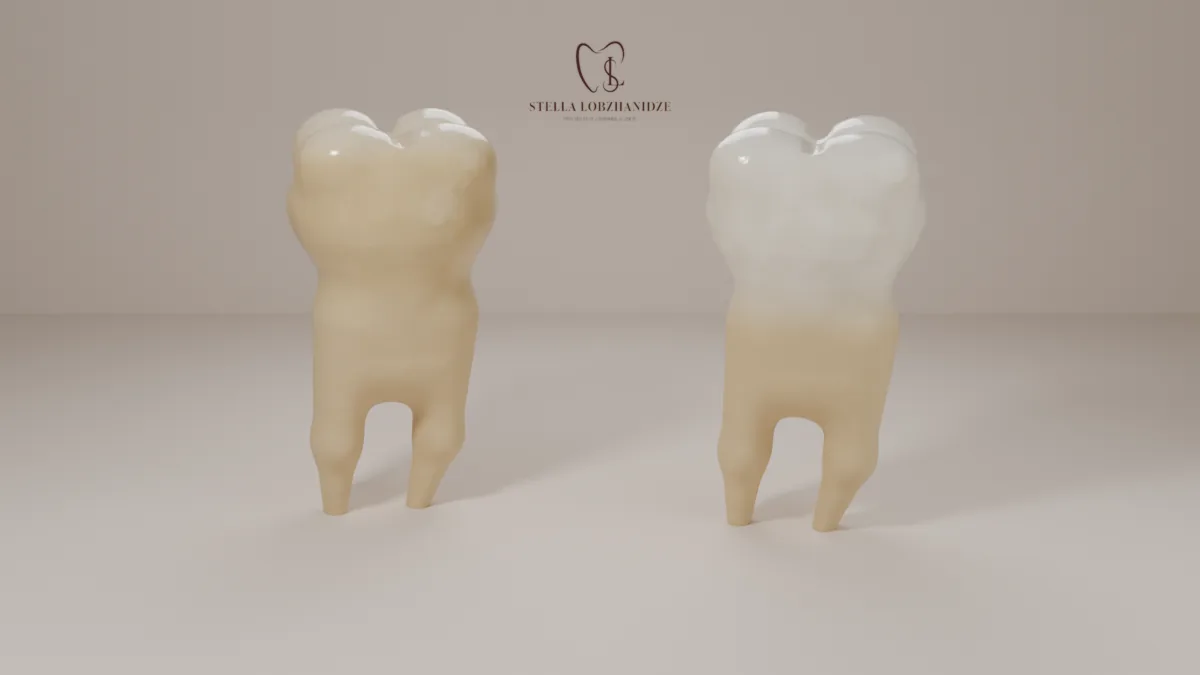
A tooth can be sensitive for a while after a filling or a professional clean. Teeth whitening can also cause sensitivity, usually only for a short time.
Sensitive teeth become more common with age, because the gums naturally recede over time.
What can you do yourself?
These tips can help:
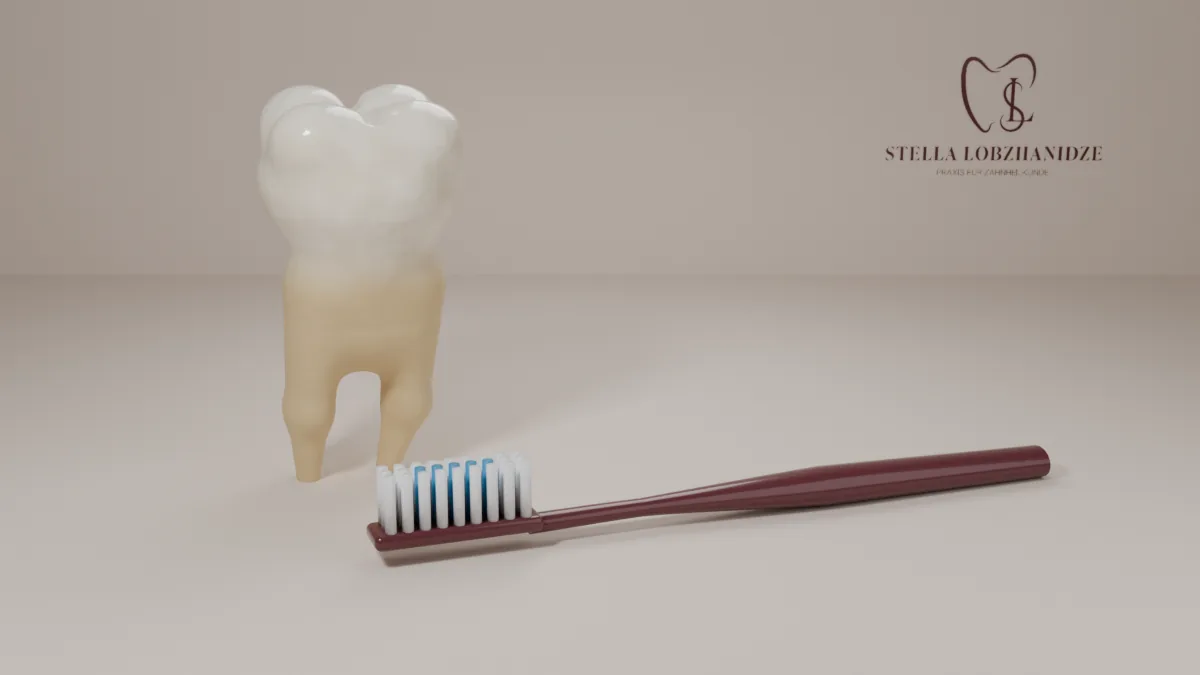
- Use a soft toothbrush and brush gently without pressing hard.
- Brush twice a day with fluoride toothpaste and clean between your teeth every day.
- Cut down on acidic and sugary drinks.
- Rinse your mouth with water after acidic food or drinks.
- Then wait at least an hour before brushing your teeth.
- Spit out the toothpaste after brushing, but do not rinse with water.
Toothpastes for sensitive teeth block the tiny channels in the dentine. The effect only lasts as long as you keep using the toothpaste. In the evening, you can rub a little onto the sensitive area and leave it there.
If you grind your teeth at night, a night guard can protect them. Mention this at your next check-up.
When is it more than sensitivity?
Sensitivity is a reaction to a trigger such as cold or something sweet. If it continues or turns into pain, there may be another cause, such as tooth decay, a cracked tooth or a problem with the gums.
Severe or persistent toothache is a separate topic. You can read more about it in our guide to the causes of toothache.
What can the practice do?
First, the dentist finds out where the sensitivity is coming from. The treatment depends on this. Options include:
- fluoride treatment, which strengthens the enamel and can reduce sensitivity
- a tooth-coloured filling that covers worn areas at the neck of the tooth
- treating tooth decay or replacing a damaged filling
- professional teeth cleaning or periodontal treatment if the gums are diseased or receding
For fluoride treatment in adults, we use a fluoride gel in a soft tray that stays on the teeth for a few minutes.
Regular check-ups help to spot causes early. The German health insurer Techniker Krankenkasse recommends a check-up and professional clean twice a year. Fluoride treatment can easily be combined with these appointments.
Come to the practice if:
- the pain is severe
- the sensitivity lasts longer than a few weeks
- only one tooth is affected
- the pain comes on suddenly or gets worse
- you notice a crack in a tooth or your gums are receding
- a toothpaste for sensitive teeth does not help
Book an appointment
Book online or give us a call.
Sources
- Oral Health Foundation – Sensitive teeth
- Australian Dental Association – Sensitive teeth
- Techniker Krankenkasse – Cold-sensitive teeth: what you can do (in German)
- gesund.bund.de – Oral hygiene and dental check-ups for healthy teeth (in German)
This article is for general information only and does not replace a dental examination or advice.