What causes toothache and what helps?
Toothache usually has a cause in the tooth or the gums, such as tooth decay, an infection or a damaged tooth. Painkillers and simple measures can bridge the time until your appointment, but they do not treat the cause. If the pain lasts more than two days, come to the practice.
By Stela Lobzhanidze, dentist in Vienna-Meidling
Published · updated
Key points
- Common causes are tooth decay, a dental abscess, a damaged tooth, a loose filling and gum disease.
- Tooth decay usually does not hurt at first; pain often comes later.
- Until your appointment, painkillers from the pharmacy, soft food and avoiding very hot, cold or sugary things can help.
- Come to the practice if the pain lasts more than two days or painkillers do not help.
- If swelling makes it hard to breathe or swallow, call an ambulance on 144 straight away.
What causes toothache?
Toothache is a sign that something is wrong with a tooth or the gums. Common causes include:
- tooth decay
- a dental abscess, a build-up of pus in the tooth or gum
- a cracked or damaged tooth
- a loose or broken filling
- an infection around a tooth that has only partly come through, such as a wisdom tooth
- gum disease
Grinding your teeth, problems with a brace and sensitive teeth can also cause pain. Only an examination can show what is behind it.
How do you notice tooth decay?
Bacteria in plaque feed on sugar and produce acids. These attack the hard tissue of the tooth.
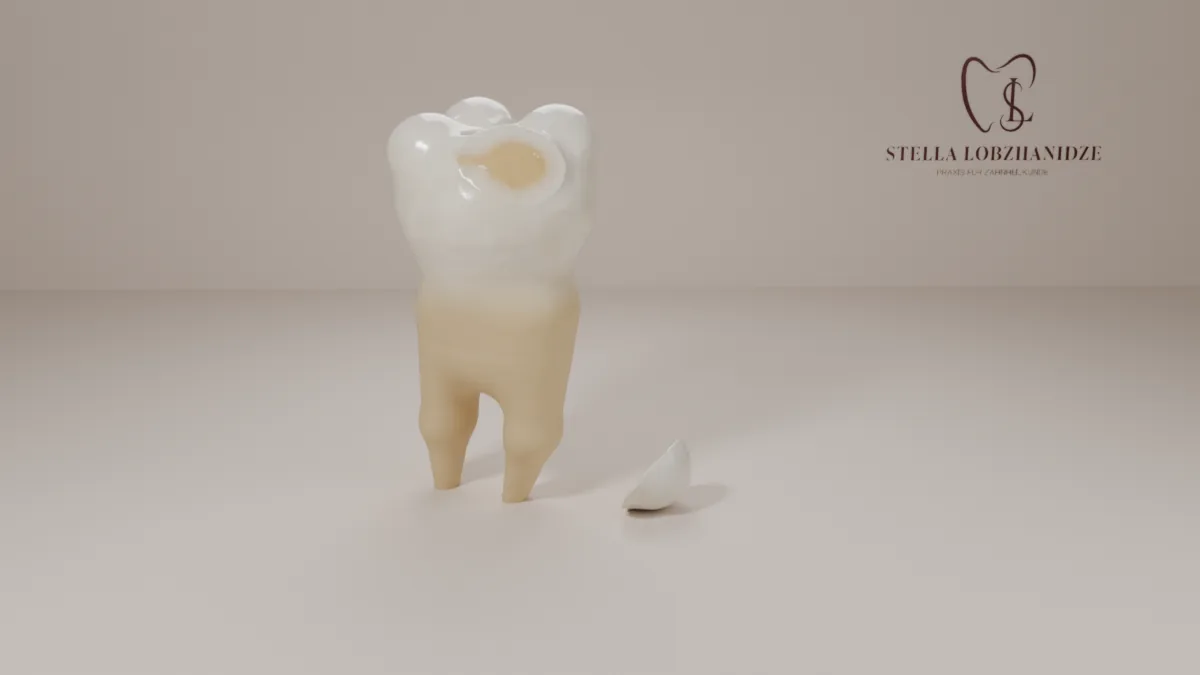
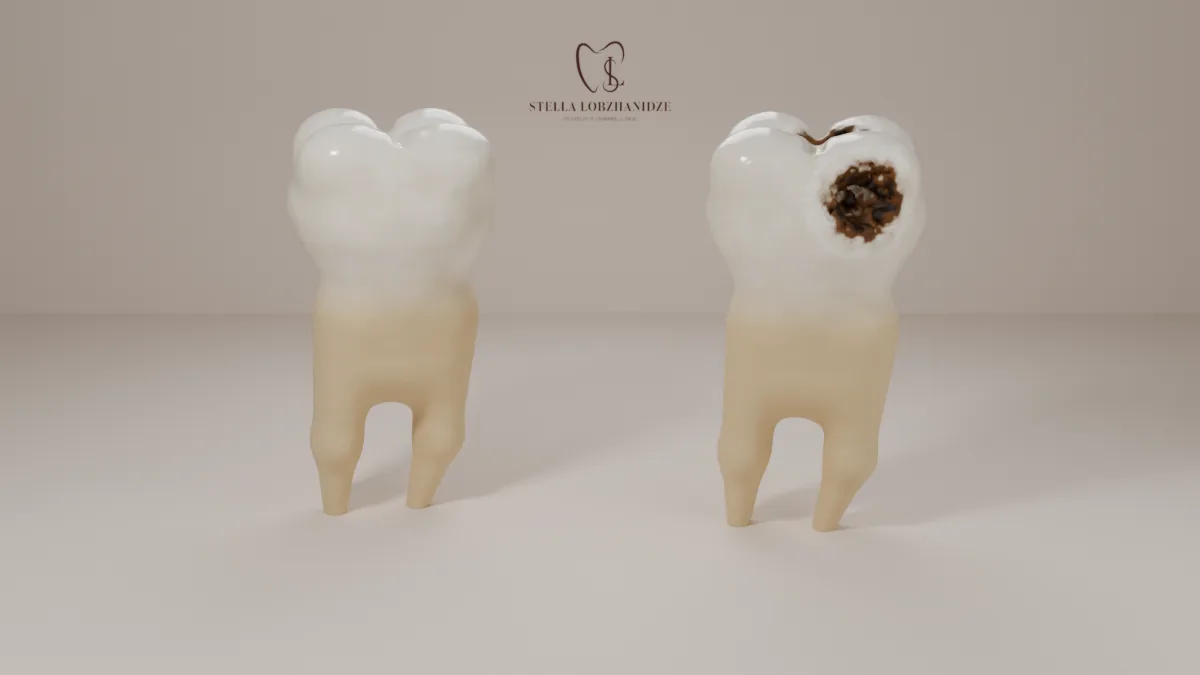
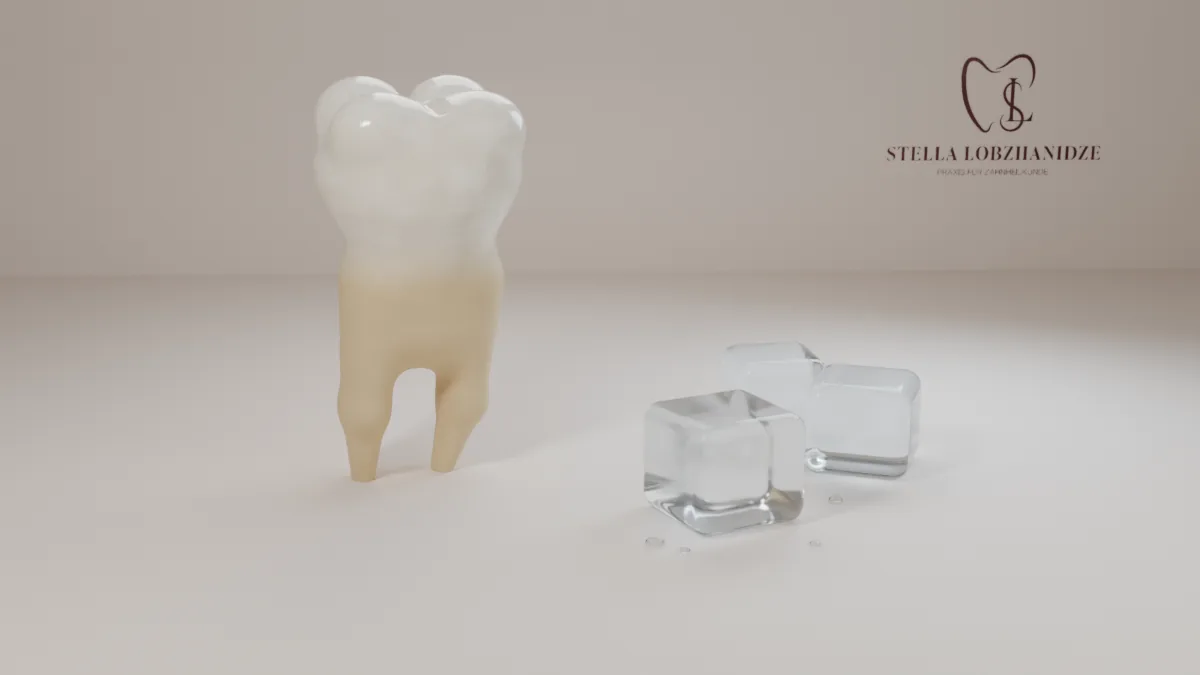
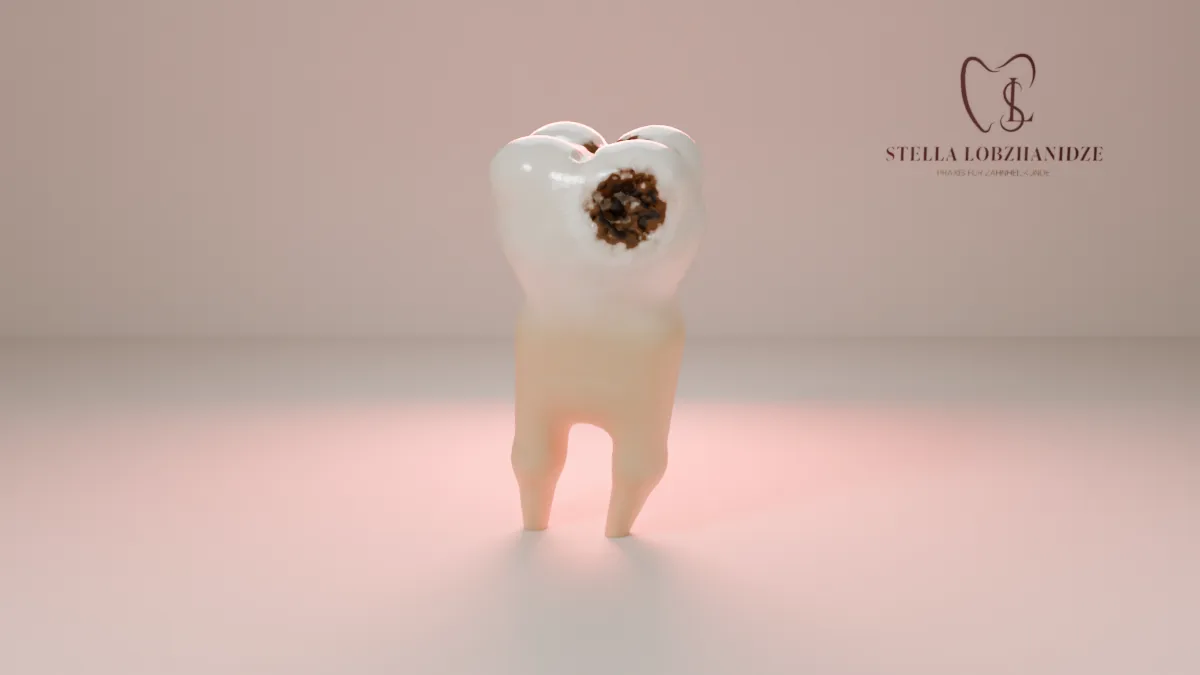
At first there are only whitish or brownish spots, and usually no pain. Once decay reaches the dentine, the tooth becomes sensitive, especially to cold and sweet things. If the bacteria reach the pulp, it can become inflamed (pulpitis).
Depending on the stage, fluoride varnish, a filling or root canal treatment may be needed. Sometimes the tooth has to be removed.
What is a dental abscess?
With an abscess, pus collects in the tooth or the gum. Intense pain is typical. Other possible signs are:
- redness in the mouth, on the face or jaw
- sensitivity to hot or cold food and drink
- a bad taste in the mouth
- difficulty opening the mouth and chewing
- a swollen cheek or jaw
- a high temperature
At the practice the pus is drained, usually under local anaesthetic. Root canal treatment is often needed afterwards, and sometimes the tooth has to be removed. Antibiotics are only needed in some cases.
What role do the gums play?
Healthy gums do not bleed and are not tender. With gum inflammation (gingivitis) they are usually red, swollen and sore to the touch. Sometimes they bleed when you brush.
The cause is usually bacterial plaque. If it is not removed, it can harden into tartar. At the practice plaque and tartar are removed, including from the gum pockets. If the inflammation progresses, periodontitis can develop and damage the tissue that holds the teeth.
What helps until your appointment?
These measures can ease the pain until you get to the practice:
- take painkillers from the pharmacy and do not exceed the recommended dose
- use a pain-relieving gel for the mouth
- rinse with salt water: dissolve half a teaspoon of salt in a glass of warm water, rinse and spit it out (not for children)
- eat soft food and avoid chewing on the sore tooth
- use a soft toothbrush and do not floss around the sore tooth
- avoid very hot, very cold and sugary food, and do not smoke
Children under 16 should not be given painkillers containing acetylsalicylic acid. A pharmacist can advise you on painkillers and gels.
If the pain eases, the cause is still there. An examination shows where the pain comes from, so the problem does not get worse.
When should you come to the practice?
If toothache lasts more than two days or painkillers do not help, book an appointment. With swelling or a high temperature you need help quickly.
If you are in pain, please call the practice first. The team can then arrange the next available appointment with you. Outside opening hours, the dental emergency service is responsible.
If there is swelling around the eye or in the neck, call an ambulance on 144. Do the same if swelling in the mouth or neck makes it hard to breathe, swallow or speak. Do not drive yourself.
How can you prevent toothache?
Good daily oral hygiene is the main protection against tooth decay and gum inflammation:
- brush twice a day for at least two minutes with fluoride toothpaste
- clean between your teeth, for example with floss or interdental brushes
- cut down on sugary food and drinks
- come for regular check-ups, even without symptoms
Professional teeth cleaning removes plaque and tartar thoroughly. How often check-ups and cleaning make sense depends on your teeth. It is best to agree the interval with your dentist.
Come to the practice if:
- the pain lasts more than two days
- painkillers do not help
- it hurts when you bite
- your gums are red or you have a bad taste in your mouth
See a dentist or the emergency service straight away if:
- your cheek or jaw is swollen
- you have a high temperature as well as toothache
- the pain is very severe and you think you may have an abscess
Outside opening hours, you can reach the dental emergency service on +43 1 512 20 78
Book an appointment
Book online or give us a call.
Sources
- NHS – Toothache
- NHS – Dental abscess
- Austrian health portal gesundheit.gv.at – Karies (tooth decay)
- Austrian health portal gesundheit.gv.at – Zahnfleischentzündung (gingivitis)
- Austrian health portal gesundheit.gv.at – Emergency numbers and hotlines
This article is for general information only and does not replace a dental examination or advice.