Fissure sealants: are they right for your child?
A fissure sealant covers the fine grooves on the biting surfaces of the permanent back teeth with a thin plastic coating. Bacteria then find it harder to settle there, and the tooth is better protected against decay. Sealants are recommended mainly when the risk of decay is higher and for deep grooves that are hard to brush.
By Stela Lobzhanidze, dentist in Vienna-Meidling
Published
Key points
- Fissures are grooves on the biting surfaces of back teeth, where decay often starts.
- A sealant closes these grooves with plastic without removing any tooth structure.
- Sealants are usually placed on the permanent back teeth as they come through.
- A sealant can come loose over time and should be checked regularly.
- Brushing with fluoride toothpaste is still important with a sealant.
What are fissures?
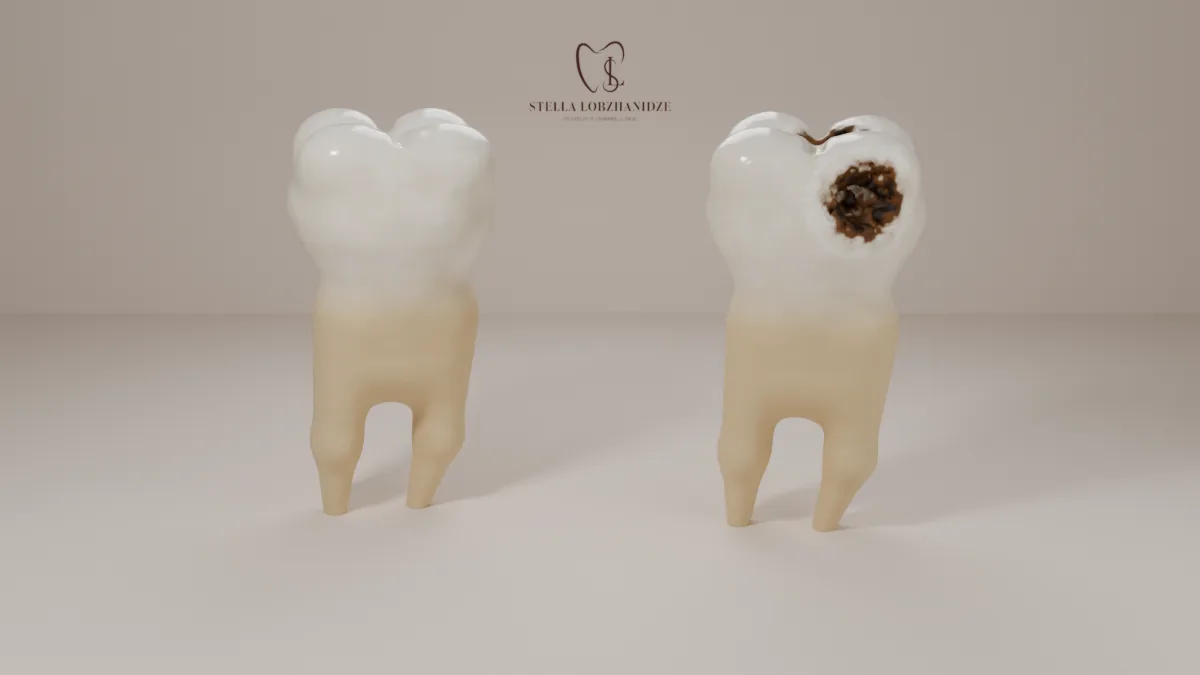
Fissures and pits are grooves on the biting surfaces of the back teeth. They are hard or impossible to reach with a toothbrush. That is why decay often starts there.
According to the Austrian health portal, children are especially prone to tooth decay.
How does a sealant work?
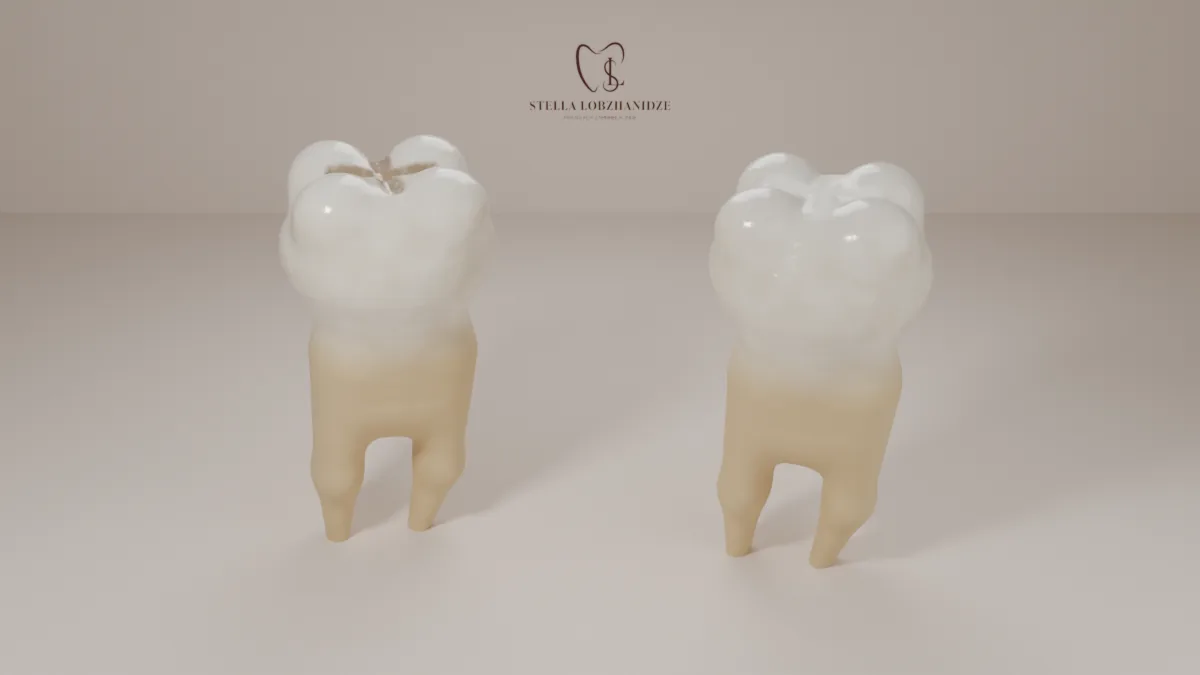
For a sealant, a thin, flowing plastic is placed in the fissures. It closes the grooves and blocks the way for bacteria. The biting surface is then easier to keep clean.
According to the German patient guideline, sealing is an established and effective preventive measure. It can also stop early decay, as long as it has not reached the dentine and the enamel surface is still intact.
If decay has gone further, the tooth usually needs a filling.
Which children and teeth are sealants suitable for?
The patient guideline of the German dental societies recommends sealants:
- for children and young people with a higher risk of decay, as assessed individually by the dentist
- for healthy fissures that are hard to reach, regardless of the risk of decay
- as a rule, for children and young people with a disability or particular medical support needs
- in some cases, for a mild form of molar incisor hypomineralisation (MIH)
Sealants are usually placed on the permanent back teeth. Baby teeth that will soon be replaced by permanent teeth do not need sealing. In adults, sealants are only rarely considered.
According to the NHS, sealants can be done once the first permanent back teeth start to come through, usually at about 6 or 7. They can be done again when the rest of the permanent teeth come through between 11 and 14.
What does sealing involve?
The treatment usually takes only a few minutes per tooth. No tooth structure is removed.
- The teeth are cleaned and examined. Then it is decided which teeth will be sealed.
- The tooth is kept dry, usually with cotton rolls and by suctioning saliva.
- An acid gel roughens the enamel for at least 30 seconds. The tooth is then rinsed and dried again.
- The plastic is applied thinly to the fissures and hardened with a light.
- Finally, the bite is checked and a fluoride product is applied.
In very rare cases, an allergy to components of the plastic can occur.
How long does a sealant last?
According to the NHS, a sealant lasts up to 4 years. Over time it can come off partly or completely. It can then be repaired or replaced.
The guideline therefore recommends a dental check-up at least once a year. At check-ups in our practice, we check the sealant and renew it if needed.
A sealant only covers the fissures on the biting surfaces. Thorough brushing remains just as important.
What role does fluoride play?
Fluoride strengthens tooth enamel and so protects it against decay. For children:
- From the first baby tooth, brush your child's teeth twice a day with a children's fluoride toothpaste.
- Primary school children can already use a fluoride junior toothpaste.
- Fluoride varnish can be applied to both baby teeth and adult teeth. In the UK, children from age 3 are offered it at least twice a year.
Fluoride is also applied after sealing. It helps etched areas of enamel that were not sealed to remineralise. At our practice, we apply fluoride varnish for children.
Does health insurance pay for sealants?
According to the Austrian health portal, necessary and appropriate treatment is covered by your health insurance fund. For some services, you may have to pay a share of the cost. Your fund can tell you the exact conditions.
With us, you receive a cost estimate before treatment. We bill SVS and KFA directly. With other funds, you submit the invoice (Honorarnote) for reimbursement.
Come to the practice if:
- Your child's first permanent back teeth are coming through, usually at about 6 or 7
- More permanent teeth are coming through, usually between 11 and 14
- You notice spots or a hole on a biting surface
- A sealant looks damaged or is partly missing
- Your child's last check-up was more than a year ago
Book an appointment
Book online or give us a call.
Sources
- AWMF/DGZMK – S3-Leitlinie (Patienten-Leitlinie) Fissuren- und Grübchenversiegelung
- NHS – Children's teeth
- Österreichisches Gesundheitsportal (gesundheit.gv.at) – Karies
This article is for general information only and does not replace a dental examination or advice.