How long does a dental implant last?
With good care, a dental implant can last many years, often decades. According to studies, about nine out of ten implants are still working after ten years. How long an implant lasts for you depends mainly on oral hygiene, check-ups and risk factors such as smoking.
By Stela Lobzhanidze, dentist in Vienna-Meidling
Published
Key points
- After ten years, about nine out of ten implants are still in place and working.
- Implants do not get tooth decay, but the gum around them can become inflamed.
- Untreated inflammation can lead to bone loss and loss of the implant.
- Smoking, poor oral hygiene, past gum disease and poorly controlled diabetes increase the risk.
- Thorough daily cleaning and regular check-ups do the most to help an implant last.
How long does a dental implant last on average?
Implants are a long-established treatment. According to patient information from Leeds Teaching Hospitals (NHS), about nine out of ten implants are still in place and working ten years after they were placed.
The Austrian health portal states that, with good care and regular check-ups, implants can last for decades. There is no fixed lifespan, though.
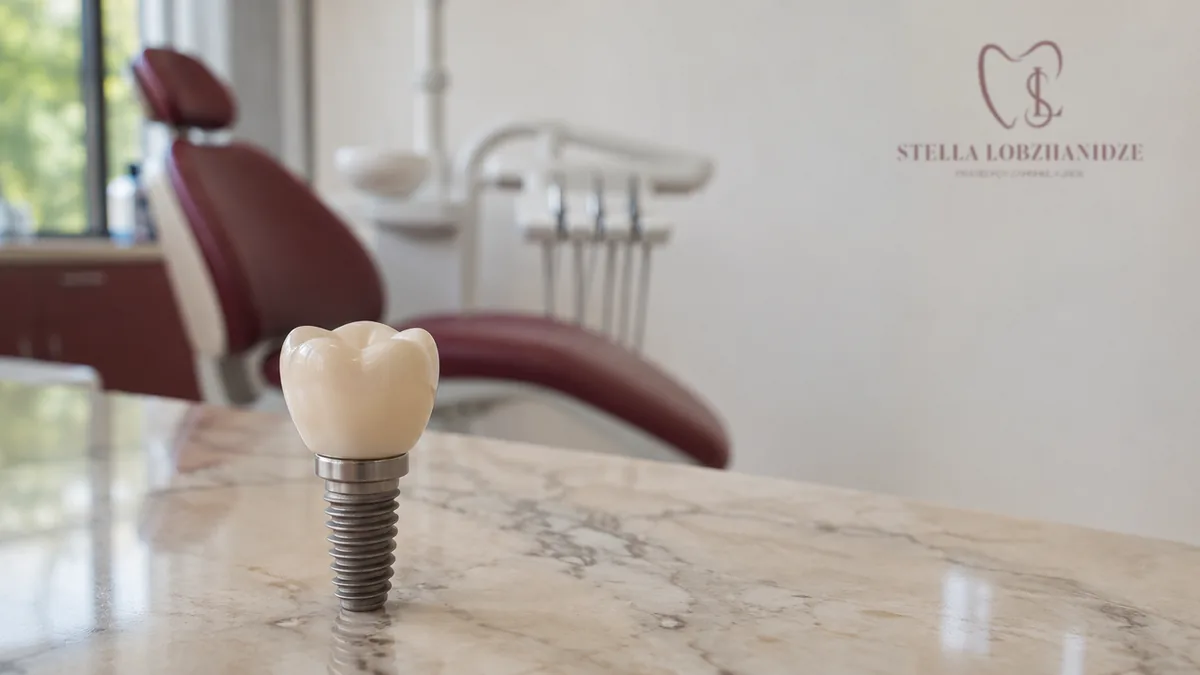
It helps to tell the implant apart from what sits on it. The artificial root often stays stable for a long time. On the crown, bridge or denture, however, porcelain can chip, a screw can loosen or a clip can wear. These parts can usually be repaired or replaced.
Why is an implant lost?
There are early and late losses. Rarely, an implant does not bond with the bone during healing. Your dentist will then discuss other options with you.
Problems more often appear after years. Plaque on the implant can inflame the gum, which dentists call mucositis. If the inflammation spreads to the bone, it is called peri-implantitis. The bone breaks down, and the implant can loosen and be lost.
What increases the risk of problems?
Some factors make inflammation and implant loss more likely:
- smoking
- poor oral hygiene
- past gum disease (periodontitis)
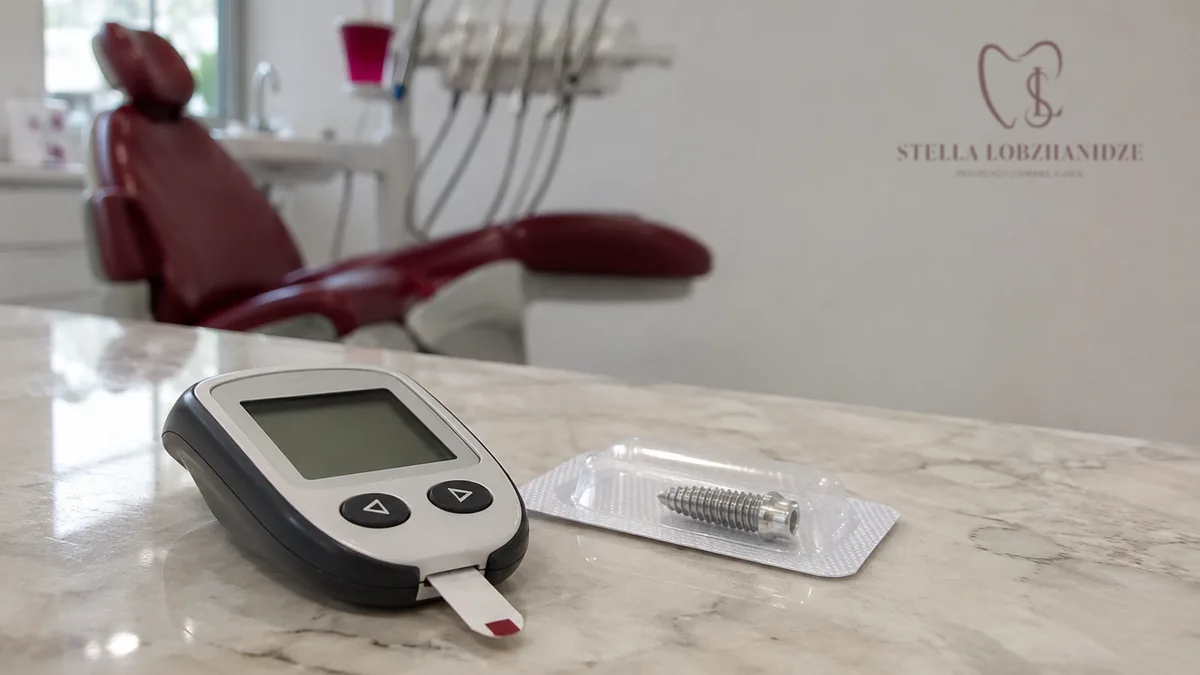
- poorly controlled diabetes
- radiotherapy to the jaw
- certain medicines, for example bisphosphonates
In people with diabetes, the risk of inflammation and implant loss seems to rise over the years. A German guideline therefore recommends follow-up care based on each person's risk.
Does an implant last longer than a bridge?
Direct comparisons are difficult because the starting point often differs. As a rough guide: according to Leeds Teaching Hospitals, about eight out of ten conventional bridges last ten years or more. For implants, it is about nine out of ten after ten years.
With a bridge, it is often the supporting teeth that cause problems, for example decay at the edge of the crown or a damaged nerve.
What can you do to help your implant last?
Care at home is the most important part:
- Brush twice a day for two minutes with fluoride toothpaste, once of them last thing at night.
- Clean around the implant every day with interdental brushes, especially where it comes out of the gum.
- Ask the practice to show you which brushes and technique suit your implant.
- Go for regular check-ups and professional cleaning.
- If you can, stop smoking.
How can you tell that something is wrong with your implant?
Look out for these signs:
- red, sore or swollen gums
- bleeding around the implant
- signs of infection
- a loose implant or a loose crown
Have such changes checked at your dental practice soon.
How do we help you care for your implant in Vienna?
At our practice in 1120 Vienna-Meidling, we place implants and continue to look after you afterwards. During professional cleaning, we remove deposits below the gum line too and give you tips for care at home. We recommend coming for a check-up and cleaning twice a year.
If you wish, our recall service reminds you of your appointments. You can book on +43 1 813 31 23 or online at stelladent.termin365.at.
Come to the practice if:
- the gum around the implant bleeds, is red or swollen
- the implant, or the crown or denture on it, feels loose
- porcelain has chipped off the implant crown
- your last check-up was quite a while ago
Book an appointment
Book online or give us a call.
Sources
- Leeds Teaching Hospitals NHS Trust – Dental implants
- gesundheit.gv.at – Zahnimplantate
- Oral Health Foundation – Dental implants
- Leeds Teaching Hospitals NHS Trust – Bridges
- AWMF / DGI – S3-Leitlinie Zahnimplantate bei Diabetes mellitus
- AWMF / DGI – S3-Leitlinie Behandlung periimplantärer Infektionen an Zahnimplantaten (2022)
- rauchfrei.at (ÖGK) – Rauchen und Mundgesundheit
This article is for general information only and does not replace a dental examination or advice.