Who are veneers suitable for?
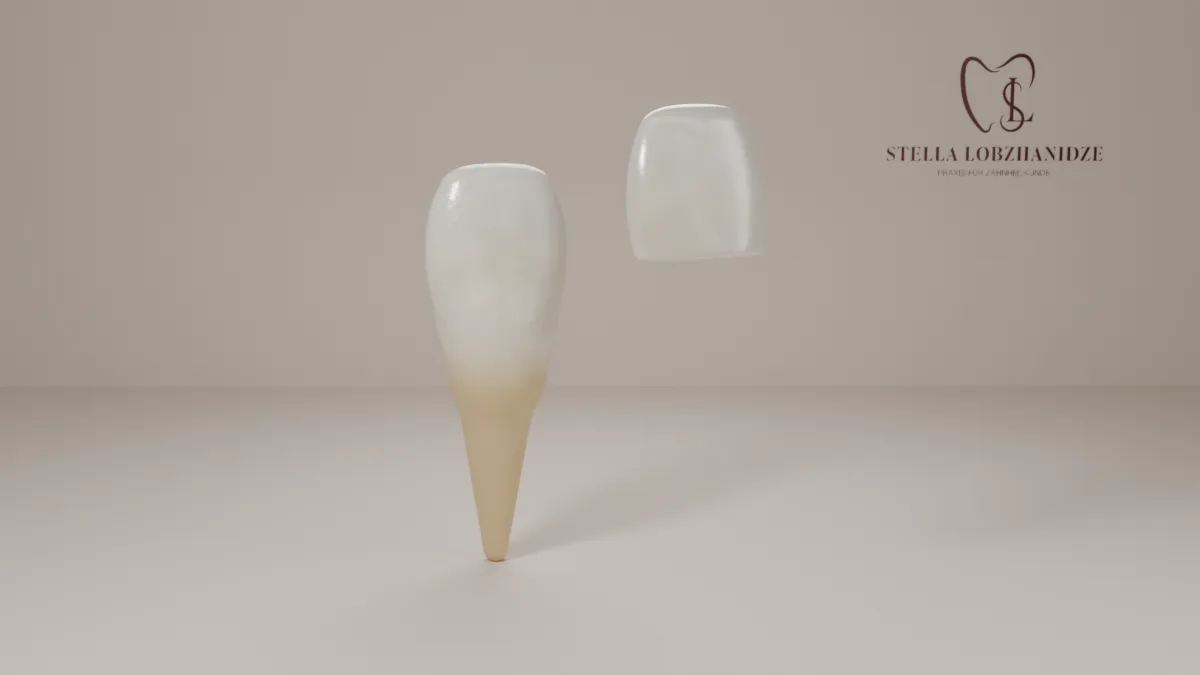
Veneers are thin shells bonded to the front surface of a tooth. They can be an option for healthy front teeth that are discoloured, chipped or have small gaps. A little enamel is often filed away first, and this step cannot be undone.
By Stela Lobzhanidze, dentist in Vienna-Meidling
Published
Key points
- Veneers are thin facings made of porcelain or of composite, a tooth-coloured resin.
- They can hide discolouration, chipped corners and small gaps on the front teeth.
- Your teeth and gums should be healthy, and your oral hygiene should be good.
- If you grind your teeth or have badly crooked or heavily discoloured teeth, veneers reach their limits.
- Depending on your situation, teeth whitening, a brace or a crown may be alternatives.
What are veneers?
Veneers are thin shells that are firmly bonded to the front of a tooth. They are used to improve the look of the front teeth. They come in two materials:
- Porcelain: the shell is made in a dental laboratory from an impression of your teeth. This takes two appointments.
- Composite: the shell is built up from tooth-coloured resin directly in your mouth. One visit is enough.
According to the German health insurer Techniker Krankenkasse, porcelain shells are considered cosmetically superior. They are about 0.5 to 0.8 millimetres thick.
Who are veneers suitable for?
Veneers can be an option if your front teeth are healthy but you would like them to look different. Typical reasons include:
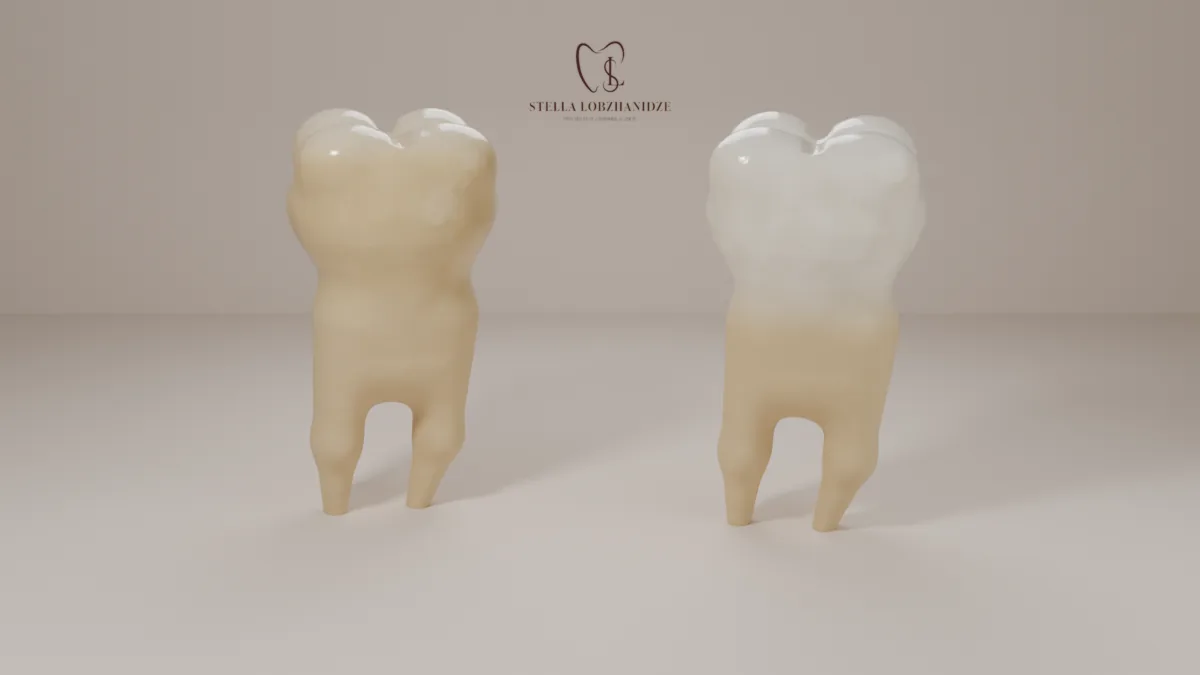
- discolouration that does not respond to whitening
- chipped corners or edges
- a small gap between the front teeth
- front teeth that look unattractive because of fillings or enamel defects
Healthy teeth, healthy gums and good oral hygiene are important before and after treatment.
Whether veneers are right for you is decided case by case by the dentist after an examination.
When is another treatment a better fit?
Veneers are not suitable for everyone. The German consumer organisation Stiftung Warentest names these limits:
- If you grind your teeth at night, you should be cautious. The strong forces can cause veneers to come off early.
- With badly crooked teeth, veneers often cannot achieve much. Orthodontic treatment may help instead.
- With heavier discolouration or larger injuries to the front teeth, veneers reach their limits. A partial crown or a crown may then be an alternative.
If your teeth are only discoloured, whitening can lighten them. According to the Oral Health Foundation, veneers are mainly an option when discolouration does not respond to whitening.
Does tooth structure have to be removed for veneers?
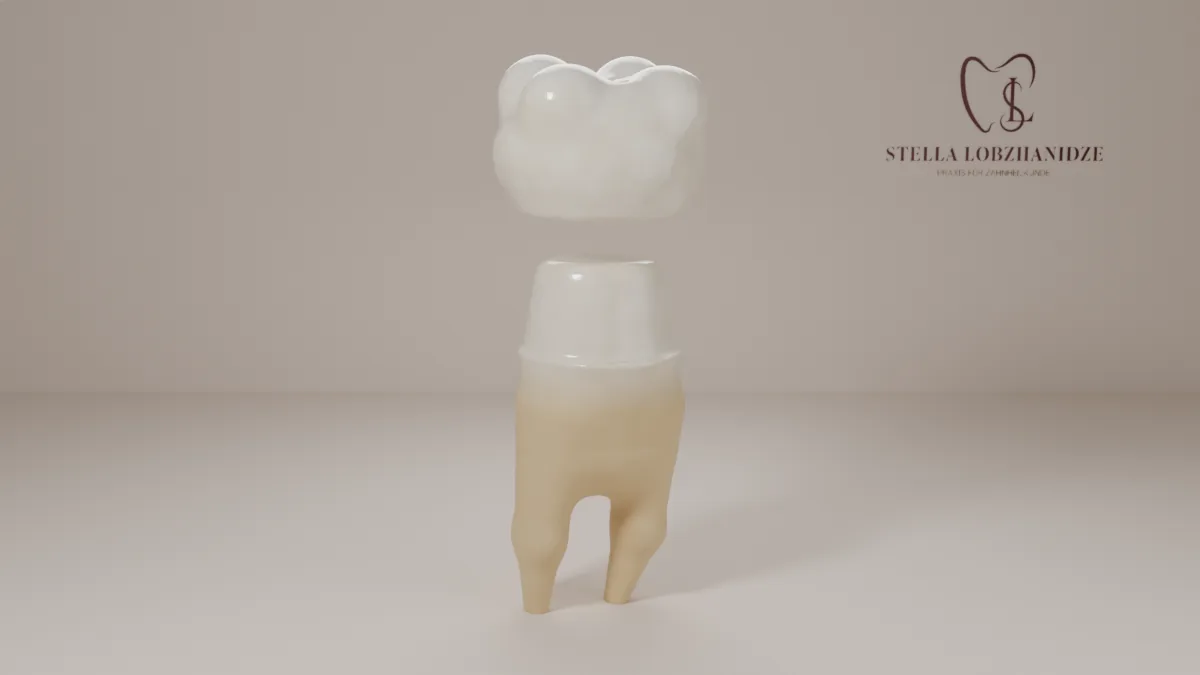
For conventional veneers, the front of the tooth is filed down slightly to make room for the shell. According to the NHS, not all veneers need this step.
Compared with an all-ceramic crown, only a little tooth structure is lost. Even so, the protective enamel is affected, and the procedure cannot be reversed.
There are also very thin veneers for which the tooth usually does not need to be roughened. They are gentler on the teeth, but according to Stiftung Warentest they are less robust and do not last as long.
What does treatment involve?
With porcelain veneers, the process usually looks like this:
- If needed, the front of the tooth is filed down slightly.
- An impression of your teeth is taken. A dental laboratory then makes the veneers.
- At the second appointment, the fit and colour are checked.
- The veneers are bonded to the teeth with a special adhesive.
At our practice, all-ceramic veneers are made in a dental laboratory. This takes two appointments.
How long do veneers last?
With good care, veneers can last many years. According to Stiftung Warentest, conventional porcelain veneers stay bonded for up to 15 years. After that, they usually need to be replaced.
Veneers can chip, crack or come loose. Small chips can sometimes be repaired; otherwise a new veneer is needed.
If decay develops on a tooth with a veneer, the veneer may need to be replaced or the tooth may need a crown.
Thorough daily cleaning including floss, regular check-ups and professional teeth cleaning help veneers last longer.
Who pays for veneers?
Veneers are usually a cosmetic treatment. According to the NHS, in the UK they are generally only available privately unless there is a clinical need. Statutory health insurers in Germany generally do not contribute either, according to Stiftung Warentest.
In Austria, according to gesundheit.gv.at, social insurance may not pay for treatment that is not medically necessary. Ask your health insurance fund beforehand whether you can get a contribution in your case.
Before any treatment, we provide a cost estimate.
Come to the practice if:
- you are unhappy with the colour or shape of your front teeth and are thinking about veneers
- a front tooth is chipped
- a veneer has chipped, cracked or come loose
- a tooth with a veneer becomes sensitive or painful
Book an appointment
Book online or give us a call.
Sources
- NHS – Dental treatments
- Oral Health Foundation – Veneers
- Techniker Krankenkasse – Verblendschalen (Veneers) (in German)
- Stiftung Warentest – Keramikschalen für schöne Zähne: Veneers eignen sich nicht für jeden (in German)
- gesundheit.gv.at – Was zahlt die Sozialversicherung? (in German)
This article is for general information only and does not replace a dental examination or advice.