DIAGNOcam in Vienna: Detecting Tooth Decay Without X-Rays


At our practice, we use the DIAGNOcam for modern diagnostics. This innovative camera lets us detect tooth decay early – without any X-rays at all.
How does the DIAGNOcam work?
The DIAGNOcam uses a special light technique called transillumination, in which light is shone through the tooth. Healthy tooth structure transmits light differently from decayed areas, which means hidden defects become visible.
Your benefits at a glance
Radiation-free examination
Ideal for children, pregnant women and anyone who wants to keep their radiation exposure to a minimum.
Early detection of tooth decay
Decay can often be spotted before it causes any symptoms or shows up on an X-ray.
Results patients can see
The images appear straight away on the screen, so you can see the condition of your teeth for yourself.
Detecting decay between the teeth
Particularly good for diagnosing decay between the teeth, which is often invisible to the naked eye.
Checking existing fillings
Suspicious areas around existing fillings can be examined in more detail.
Documentation and monitoring
The images can be saved and compared at future check-ups.
Modern preventive care for your dental health
With the DIAGNOcam, we can spot changes in your teeth early and often treat them with minimally invasive techniques. Our aim is to preserve healthy tooth structure for as long as possible and avoid unnecessary treatment.
Your dental health deserves modern diagnostics – precise, gentle and radiation-free.
Book a radiation-free decay check
Book a check-up – we'll show you the condition of your teeth on screen, clearly explained.
Guides on this topic
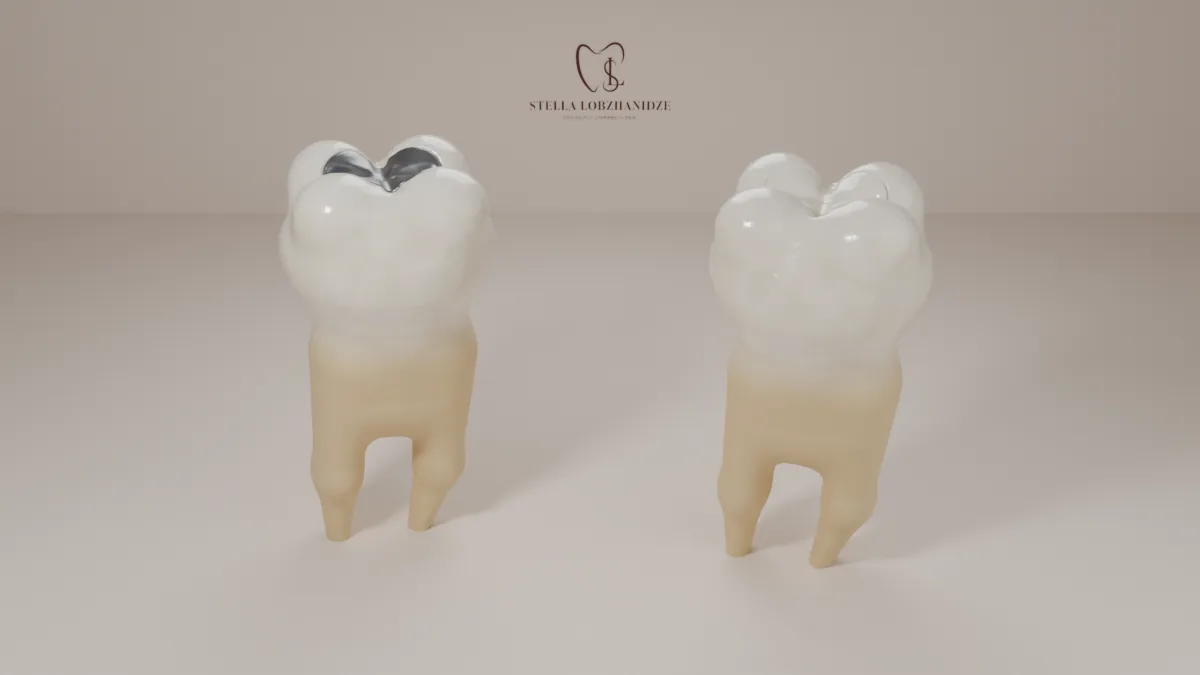 Which fillings are available after the amalgam ban?Since 1 January 2025, amalgam can generally no longer be used for fillings in the EU. Intact amalgam fillings do not need to be replaced. For new fillings, there are several materials, such as composite, glass ionomer cement or ceramic inlays.Read more
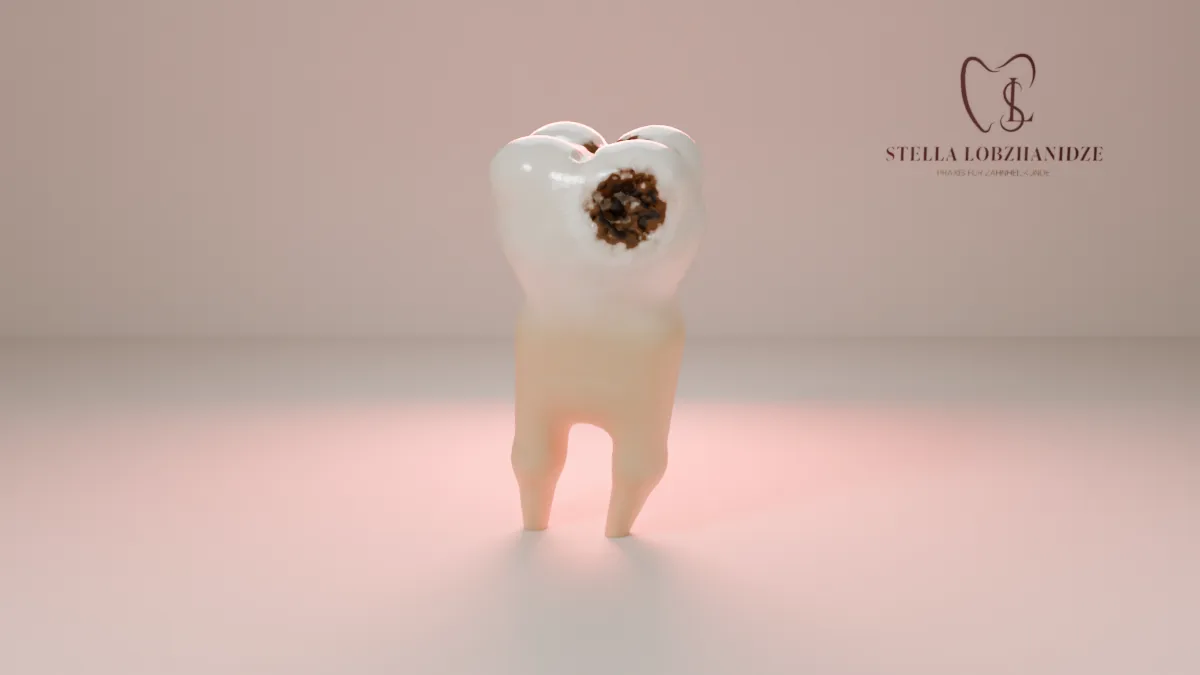 What causes toothache and what helps?Toothache usually has a cause in the tooth or the gums, such as tooth decay, an infection or a damaged tooth. Painkillers and simple measures can bridge the time until your appointment, but they do not treat the cause. If the pain lasts more than two days, come to the practice.Read more
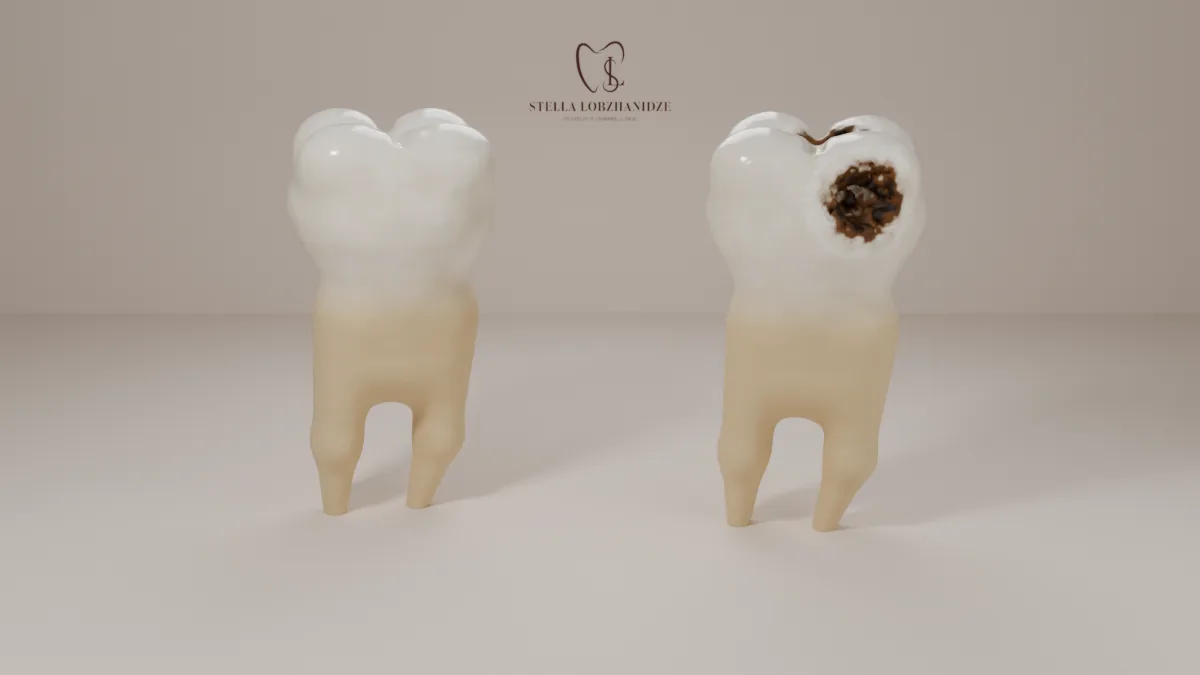 How does tooth decay develop and how can you prevent it?Tooth decay starts when bacteria in plaque break down sugar and produce acids that attack tooth enamel. Brushing twice a day with fluoride toothpaste, keeping sugar down and having regular check-ups lower the risk. If it is found early, decay can often be treated without drilling.Read more