Wisdom teeth in 1120 Vienna: keep or remove?
Wisdom teeth do not always have to come out. They are usually removed only if they cause trouble or problems are foreseeable.
What are wisdom teeth?
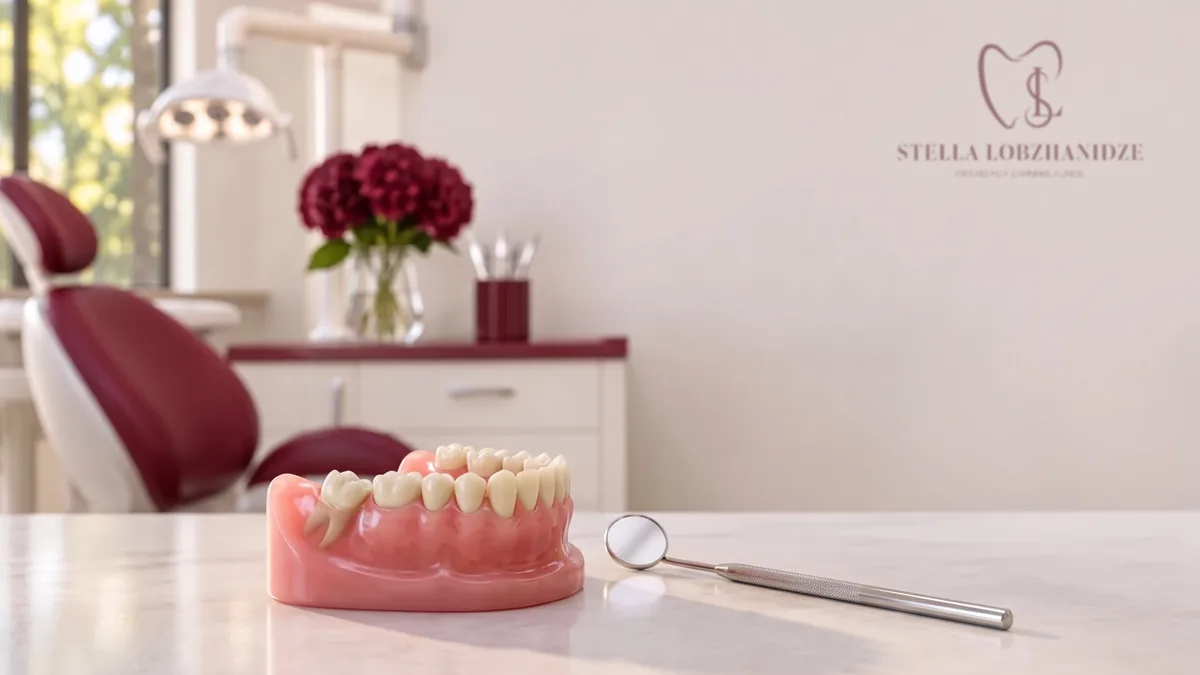
Wisdom teeth are the rearmost molars. They are the last teeth to come through, usually between the ages of 18 and 24. Often there is not enough room in the jaw: they then only partly emerge or lie sideways, which can lead to inflammation and pain.
When is removal recommended?
- Acute or recurring infections around the tooth
- The tooth is destroyed by decay or an inflammation cannot be treated
- Pain coming from the wisdom tooth, or the tooth gets in the way of orthodontic treatment
Examination and procedure
First we ask about medication such as blood thinners, allergies and earlier experiences with anaesthetic. An X-ray shows the position and shape of the roots and how complex the procedure is. The tooth is removed under local anaesthetic; larger procedures may need a general anaesthetic. After the examination we discuss with you whether and where the procedure is best carried out.
After the procedure
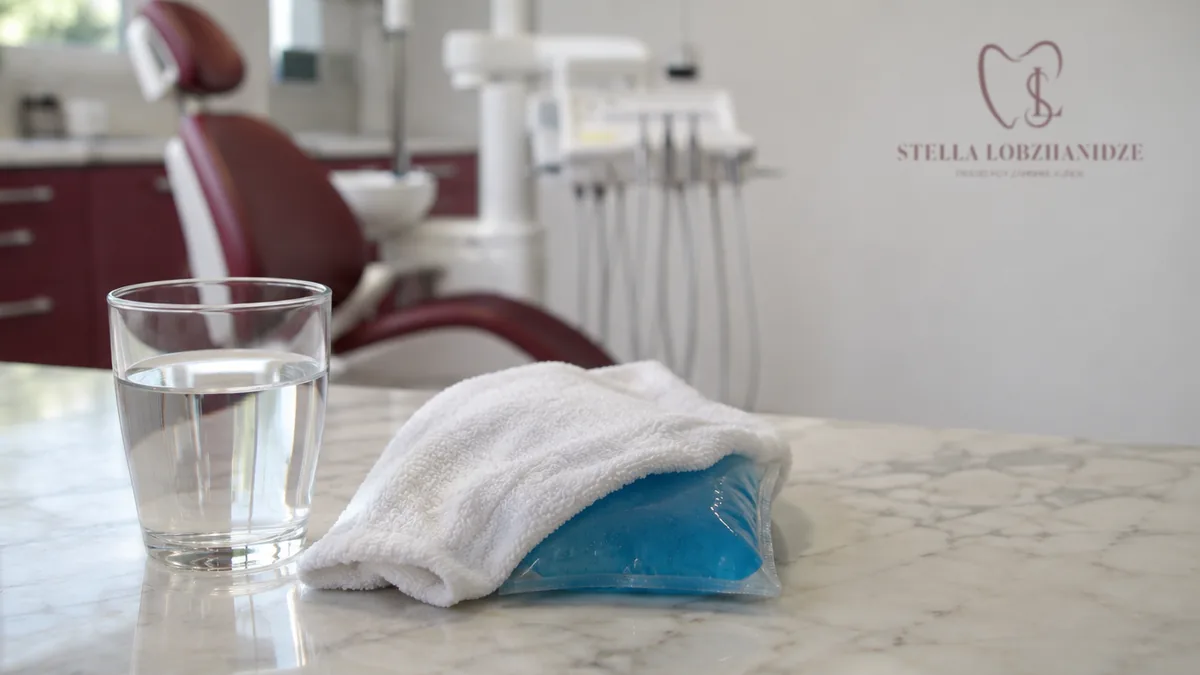
Swelling, pain and limited mouth opening are common in the first few days and usually settle. Cooling helps against swelling. Painkillers containing acetylsalicylic acid (aspirin) are not suitable because they increase the tendency to bleed. Contact us if you have severe or returning pain, bleeding or fever.
FAQ
Do symptom-free wisdom teeth have to be removed?
What are the risks of removal?
How often do wisdom teeth stay in the jaw?
Sources
Questions about your teeth?
We will take a calm look. Book online or by phone.
Medically reviewed by Stela Lobzhanidze, dentist · Last reviewed: November 2026